
Beautiful Plants For Your Interior
Beautiful Plants For Your Interior
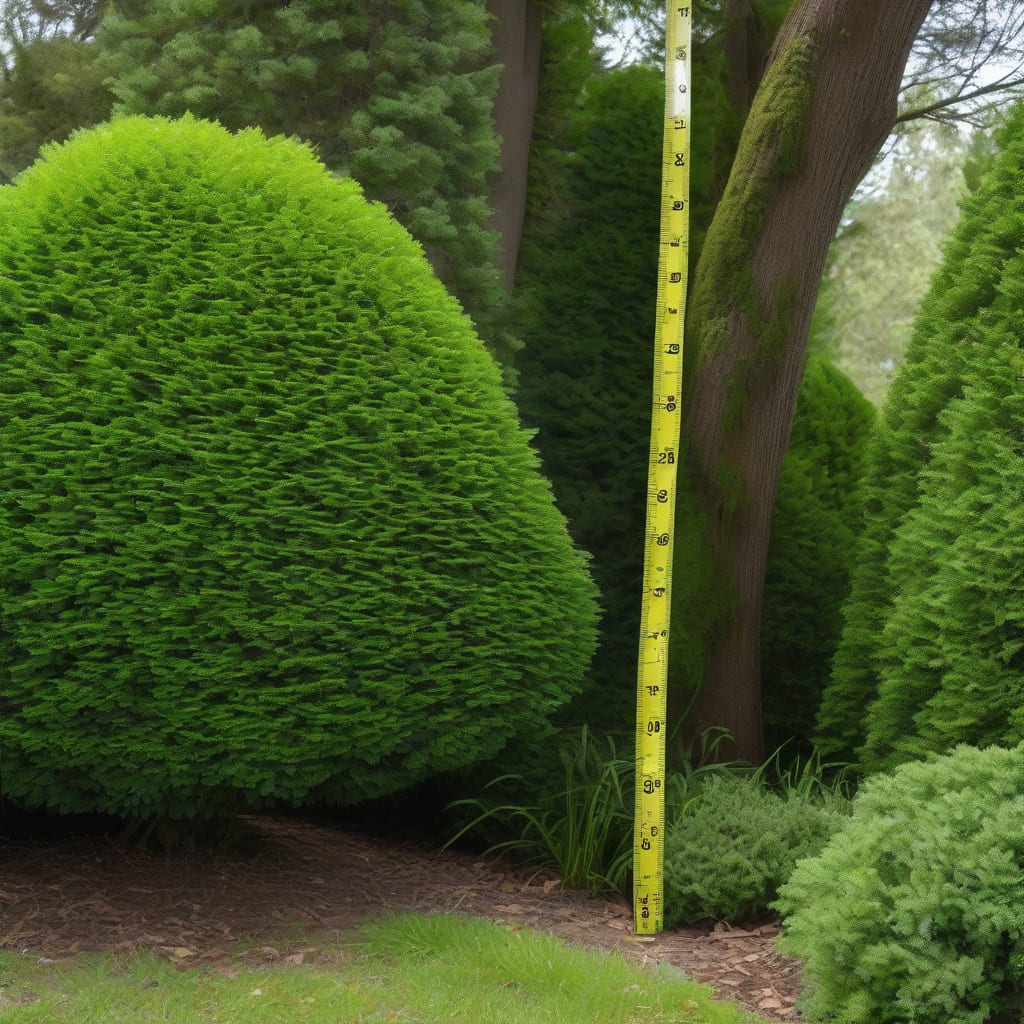
When planting Arborvitae 🌳 in your garden, understanding their growth potential is crucial for proper planning. These versatile trees can grow significantly, but their height depends on various factors.
In USDA zone 6a, Arborvitae can thrive with proper care. Let’s explore the factors that influence their height and how to manage their growth effectively.


Understanding the factors that influence Arborvitae height growth is crucial for gardeners who want to optimize their landscape design. The height of Arborvitae trees can vary significantly based on several key factors 🌳.
Soil conditions, sunlight exposure, watering practices, and pruning techniques all play a significant role in determining how tall these trees will grow. Let’s explore these factors in more detail to help you make informed decisions about your garden.
The quality of soil is fundamental to Arborvitae growth. These trees prefer well-draining soil that is rich in organic matter. Poor soil conditions can limit their growth potential, while fertile soil can support more vigorous development. Ensuring your soil has adequate nutrients is key to promoting healthy height growth 🌿.
Sunlight exposure is another critical factor. Arborvitae trees thrive in full sun to partial shade. While they can tolerate some shade, insufficient sunlight can lead to leggy growth and less dense foliage. For optimal height and density, ensure your Arborvitae receives adequate sunlight throughout the day ☀️.
Watering practices also significantly impact Arborvitae height growth. These trees prefer consistent moisture, especially during their first few years of growth. However, they are relatively drought-tolerant once established. Maintaining the right balance in watering will support steady and healthy growth 💧.
Pruning techniques are essential for managing the height of Arborvitae trees. Regular pruning not only helps control their height but also encourages denser foliage. By pruning strategically, you can maintain the desired shape and size of your Arborvitae, ensuring it fits well within your landscape design ✂️.
In addition to these factors, it’s important to consider the specific variety of Arborvitae you are growing. Different varieties have different growth habits and maximum heights. Understanding these differences can help you choose the right Arborvitae for your space and needs 🌳.
By carefully managing these factors, you can optimize the growth of your Arborvitae trees and achieve the desired height and shape. Whether you’re looking to create a privacy hedge or a specimen tree, understanding these influences is key to successful gardening 🌱.
Regular maintenance, including fertilization and pest management, also plays a role in supporting the overall health and growth of Arborvitae. By providing your trees with the right care, you can ensure they reach their full potential and remain healthy for years to come 🌟.
In conclusion, the height growth of Arborvitae is influenced by a combination of factors including soil quality, sunlight exposure, watering practices, and pruning techniques. By understanding and managing these factors, you can optimize the growth of your Arborvitae trees and achieve the desired results in your garden 🌼.
Understanding the maximum height potential of different Arborvitae varieties is essential for gardeners who want to achieve specific landscaping goals. Various Arborvitae types offer a range of growth characteristics, making it crucial to choose the right variety for your needs 🌳.
The height potential of Arborvitae can vary significantly depending on the specific variety. Let’s explore some popular types and their expected mature heights to help you make informed decisions about your garden.
The Emerald Green variety is known for its compact growth, typically reaching heights of 10-15 feet. This makes it an excellent choice for smaller landscapes or hedges where a more contained height is desired 🌿.
In contrast, the Nigra variety can grow significantly taller, reaching heights of 20-30 feet. Its moderate growth rate allows for steady development, making it suitable for those looking for a taller privacy screen 🌲.
For gardeners seeking a more dramatic presence, the Green Giant variety offers substantial height, growing up to 50-60 feet. With its fast growth rate, this variety can quickly establish a significant landscape feature 🌳.
When selecting an Arborvitae variety, it’s essential to consider not only the maximum height but also the growth rate and overall landscape goals. Understanding these characteristics will help you choose the right Arborvitae for your specific needs and ensure successful garden planning 🌱.
By comparing the different varieties and their growth potentials, you can make informed decisions that align with your landscaping objectives, whether you’re creating a privacy hedge or a specimen tree 🌼.
Ultimately, the right Arborvitae variety will depend on your specific garden requirements and preferences. By understanding the height potential and growth characteristics of different Arborvitae types, you can optimize your landscape design and achieve the desired aesthetic and functional outcomes 🌟.
Effective management of Arborvitae height is crucial for maintaining the desired shape and size of these versatile trees. Proper pruning techniques and regular maintenance are key to controlling their growth and ensuring they remain healthy and visually appealing 🌳.
Prune your Arborvitae in early spring before new growth begins to maintain shape and control height.
Regularly inspect your Arborvitae for any dead or damaged branches and remove them promptly to maintain health.
To control height, prune the top branches, cutting back to a lateral bud or a lateral branch to maintain the tree’s natural shape.
Pruning frequency depends on the growth rate of your Arborvitae and your desired level of maintenance. For most varieties, annual pruning is sufficient to maintain shape and control height ✂️.
In addition to pruning, regular maintenance practices such as fertilization and pest management play a crucial role in supporting the overall health of your Arborvitae. By providing your trees with the right care, you can ensure they remain healthy and continue to thrive 🌿.
Understanding the growth habits of your specific Arborvitae variety is essential for effective pruning and maintenance. Different varieties may have different needs, so it’s important to tailor your care routine accordingly 🌟.
By combining proper pruning techniques with regular maintenance, you can effectively manage the height of your Arborvitae trees and achieve the desired results in your garden 🌼.
