
Beautiful Plants For Your Interior
Beautiful Plants For Your Interior
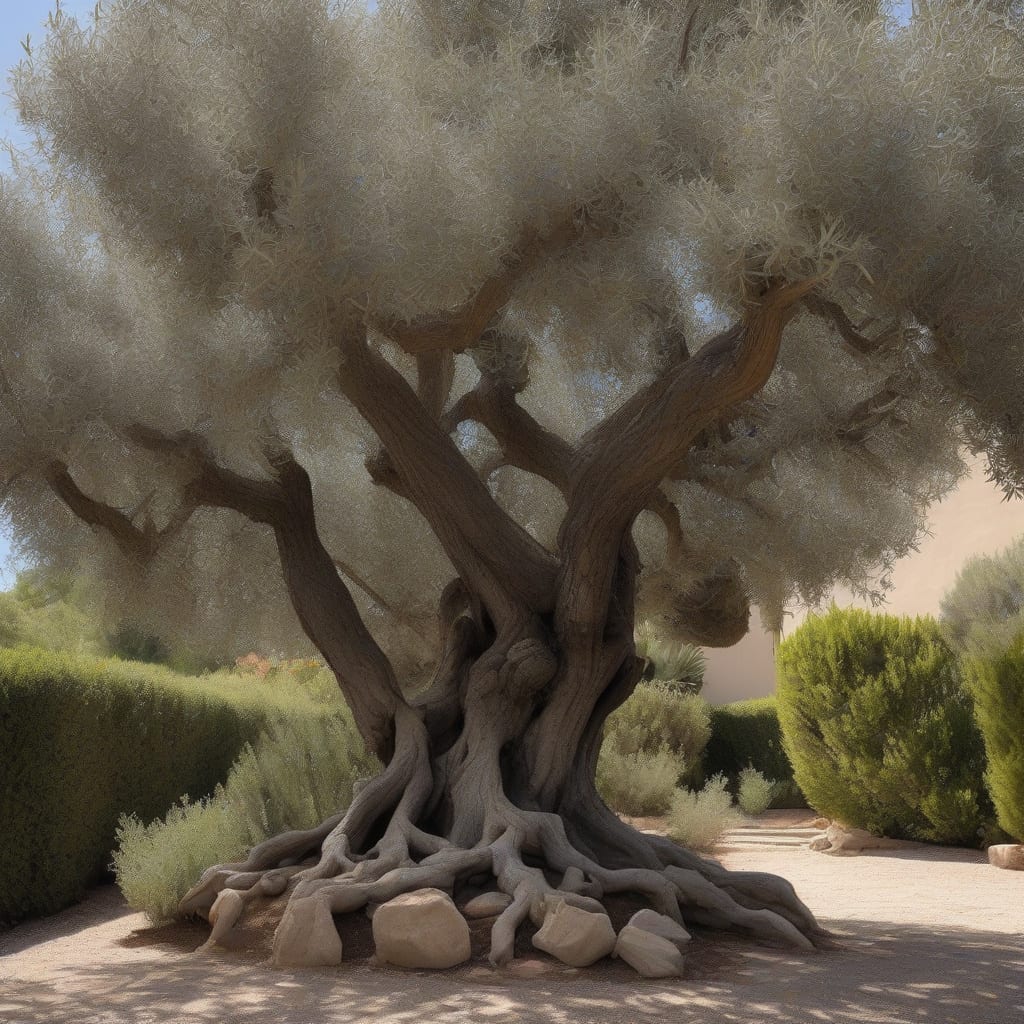
I’ve always been fascinated by the majestic 🫒 Olive Tree, known for its remarkable growth and longevity. Growing in USDA Zone 6 requires careful planning, and understanding their potential height is crucial for garden success.
Olive Trees can grow between 15-25 feet tall on average, with some varieties reaching up to 30 feet. Let’s explore the factors that influence their height and how to manage their growth effectively.
I’ve found that several factors play a crucial role in determining how tall an olive tree can grow. Understanding these elements is essential for gardeners to make informed decisions about their tree care.
The climate is one of the most significant factors affecting olive tree height. Olive trees thrive in Mediterranean climates with warm summers and mild winters. In areas with cold winters, olive trees may not reach their full height potential due to frost damage 🌟.
The soil quality also significantly impacts olive tree height. Trees planted in well-draining soil with a pH between 6.5 and 8.5 tend to grow more robustly. Poor soil conditions can limit root development and, consequently, the overall height of the tree 🌿.
Pruning practices are another critical factor. Regular pruning not only controls the height of the olive tree but also promotes fruiting and maintains the tree’s overall health. Pruning techniques can vary depending on the desired outcome, whether it’s to maintain a compact shape or to allow the tree to grow taller 🌸.
The variety of olive tree is also a crucial consideration. Different cultivars have varying growth habits, with some naturally staying more compact while others can grow quite tall. Understanding the specific characteristics of your olive tree variety is key to managing its height effectively.
Watering is essential, especially during the early stages of an olive tree’s life. Adequate moisture helps establish a strong root system, which is vital for the tree’s overall growth and height potential. However, olive trees are known for their drought tolerance once established, making them relatively low-maintenance in terms of watering 💧.
By considering these factors, gardeners can better understand how to manage the height of their olive trees. Whether you’re looking to maintain a compact tree for a small garden or allow your tree to reach its full height potential, being mindful of these elements is crucial for successful olive tree cultivation.
Olive trees are known for their impressive growth potential, with some varieties reaching heights of up to 30 feet. However, the average mature height typically ranges between 15-25 feet. Understanding the maximum height potential is crucial for garden planning 🌳.
The natural height range of olive trees can vary significantly based on factors such as climate, soil quality, and pruning practices. In ideal conditions, olive trees can thrive and reach their full height potential.
Olive trees can grow between 15-25 feet on average, with some varieties reaching up to 30 feet in ideal conditions.
To maintain olive trees at desired heights, regular pruning is essential. Pruning not only controls the height but also promotes healthy growth and fruit production. Different pruning techniques can be employed based on the desired outcome, whether it’s maintaining a compact shape or allowing the tree to grow taller 🌸.
The variety of olive tree plays a significant role in determining its height potential. Some cultivars are naturally more compact, while others can grow quite tall. Understanding the specific characteristics of your olive tree variety is key to managing its height effectively.
In addition to pruning and variety, soil quality and watering practices also impact the height potential of olive trees. Well-draining soil and adequate moisture, especially during the early stages, contribute to healthy root development and overall growth 💧.
By considering these factors and employing proper care techniques, gardeners can effectively manage the height of their olive trees and ensure they thrive in their garden environment.
For gardeners looking to maximize the height potential of their olive trees, it’s essential to provide optimal growing conditions, including full sun and well-draining soil. Regular maintenance, such as pruning and fertilization, also plays a crucial role in promoting healthy growth 🌟.
I’ve found that pruning is a critical technique for managing the height of olive trees. By employing the right pruning methods, gardeners can control the tree’s height while promoting healthy growth and fruit production 🌳.
Start by removing any dead or damaged branches to maintain the tree’s health and appearance.
Thin out the center of the tree to allow for better air circulation and sunlight penetration.
Shape the tree by cutting back branches to maintain the desired height and promote a balanced structure 🌸.
Regular pruning is essential for maintaining the desired height of olive trees. It’s also important to use the right tools and techniques to avoid damaging the tree. By following these pruning steps, gardeners can effectively manage their olive tree’s height and ensure it remains healthy and productive 🔥.
The frequency of pruning depends on the tree’s age and growth rate. Younger trees may require more frequent pruning to establish a strong structure, while mature trees may need less frequent pruning to maintain their shape.
By incorporating these pruning techniques into your olive tree care routine, you can enjoy a well-maintained tree that thrives in your garden for years to come.

