
Beautiful Plants For Your Interior
Beautiful Plants For Your Interior
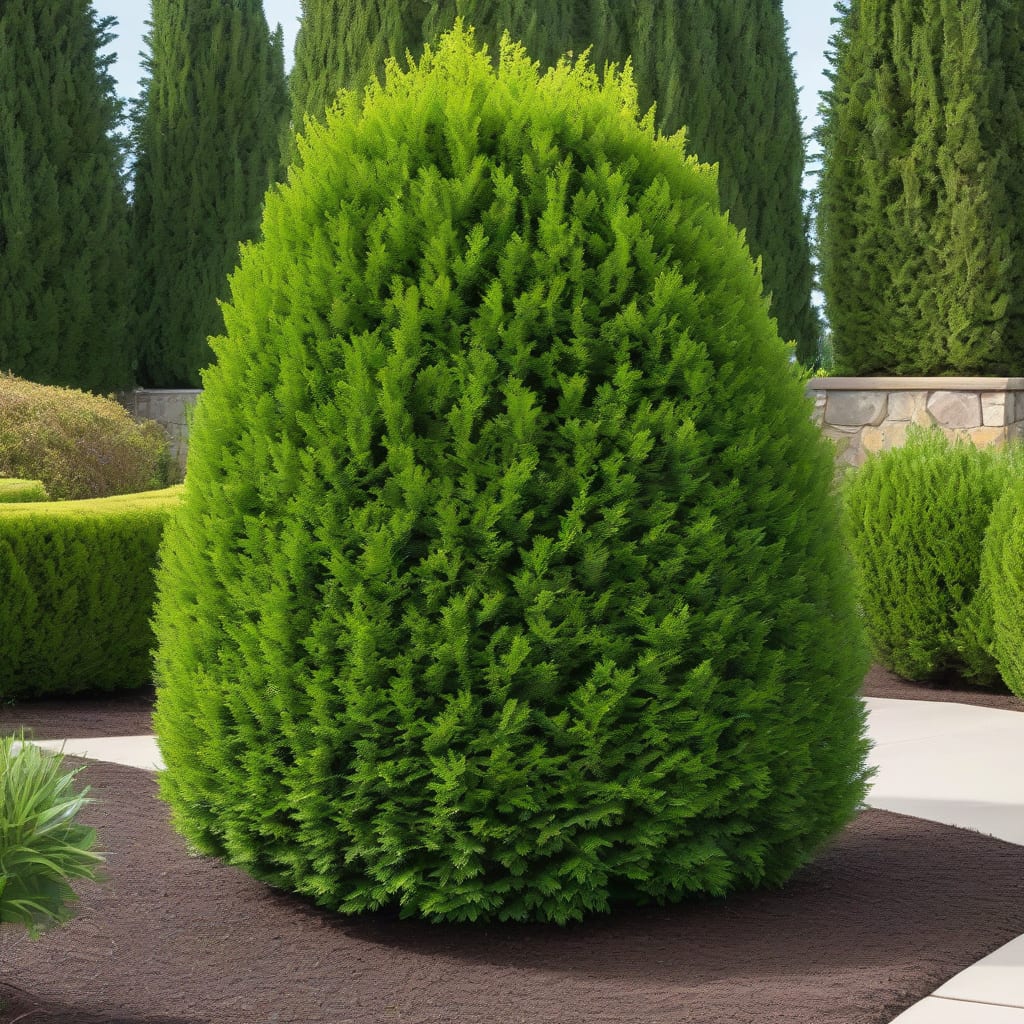
When planning your landscape, understanding how tall your Arborvitae 🌳 will grow is crucial. These versatile evergreens can range from compact shrubs to towering trees, making them perfect for various garden designs.
In USDA zone 6a, Arborvitae can thrive in different conditions. Let’s explore what affects their growth and how to manage their height effectively.

1-2 ft

2-4 ft

3-6 ft

10-60 ft
Understanding how tall Arborvitae will grow requires examining several key factors that influence their height. The variety of Arborvitae is one of the most significant determinants, as different cultivars have distinct growth patterns. For instance, compact varieties like ‘Emerald Green‘ typically remain smaller, while standard varieties can grow much taller 🌳.
Soil conditions also play a crucial role in Arborvitae height. Well-draining soil with adequate moisture promotes healthy growth, while poor soil conditions can stunt the tree’s development. Additionally, maintenance practices such as pruning and fertilization impact the overall height and shape of the tree.
Arborvitae trees come in various cultivars, each with its unique growth characteristics. Understanding the average and maximum heights of popular varieties helps landscapers choose the right tree for their garden design. The height of Arborvitae can vary significantly based on the specific cultivar 🌳.
Compact varieties like ‘Emerald Green’ typically grow between 3 to 10 feet tall, making them ideal for smaller gardens or hedges. On the other hand, standard varieties can reach heights of 20 feet or more, providing a dramatic vertical element in larger landscapes.
The height potential of Arborvitae varieties is a crucial factor in garden design. By understanding the average and maximum heights of different cultivars, landscapers can create balanced and visually appealing landscapes 🌟.
When selecting an Arborvitae variety, it’s essential to consider the mature height to ensure it fits within the desired landscape design. Proper planning helps avoid the need for frequent pruning and maintains the tree’s natural shape 🌱.
Arborvitae trees are versatile and can be used in various landscaping applications, from hedges and screens to specimen trees. Their height and density make them suitable for creating privacy barriers and windbreaks 🌳.
By choosing the right Arborvitae variety based on its height potential, gardeners can achieve their desired landscape aesthetic while minimizing maintenance needs 🌼.
In conclusion, understanding the average and maximum heights of popular Arborvitae varieties is vital for effective garden planning. This knowledge enables landscapers to make informed decisions and create beautiful, functional landscapes 🌟.
To effectively manage the height of Arborvitae trees, regular pruning and maintenance are essential. Pruning helps control the tree’s height and shape, promoting healthy growth and maintaining the desired landscape aesthetic 🌳.
Evaluate the Arborvitae’s current height and shape to determine the necessary pruning extent.
Prune Strategically
Remove the top branches carefully to reduce height, and thin out inner branches to maintain shape and promote air circulation.
Regularly inspect and prune the Arborvitae to maintain the desired height and ensure healthy growth 🌱.
By following these steps, you can effectively manage the height of your Arborvitae trees, ensuring they remain a beautiful and functional part of your landscape 🌼.
Pruning techniques vary depending on the desired outcome. For height reduction, focus on cutting back the leader branches. To maintain shape, thin out the interior branches, promoting air circulation and light penetration 🌟.
Regular maintenance practices, including fertilization and watering, also play a crucial role in managing Arborvitae height. Proper care ensures the tree remains healthy and grows at a manageable rate 🌳.
Effective height management through pruning and maintenance not only enhances the tree’s appearance but also contributes to its overall health and longevity 🌼.
