
Beautiful Plants For Your Interior
Beautiful Plants For Your Interior
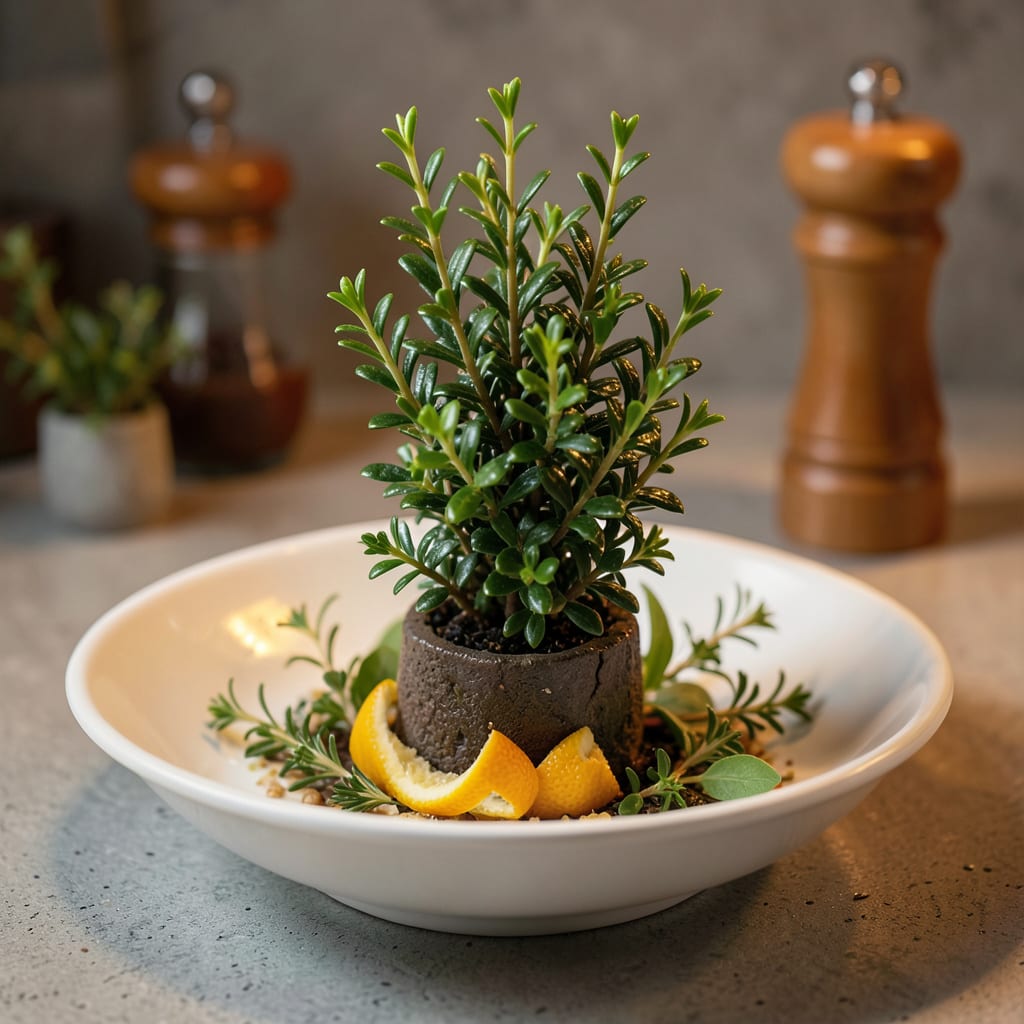
When it comes to landscaping, Boxwood 🌿 is a popular choice for gardeners in USDA Zone 6. Its versatility and elegant foliage make it perfect for hedges, topiaries, and borders.
But have you ever wondered how tall Boxwood can actually grow? Understanding its growth habits is key to achieving the desired shape and size in your garden. Let’s explore the factors that influence Boxwood’s height.


Boxwood is a versatile evergreen shrub that can grow to varying heights depending on several factors. The typical mature height of Boxwood ranges from 3 to 10 feet, with some varieties growing taller than others. Understanding these growth patterns is crucial for gardeners who want to achieve the desired shape and size in their gardens 🌿.
The height of Boxwood is influenced by factors such as variety, growing conditions, and pruning practices. Different varieties of Boxwood have distinct growth habits, with some being more compact and others more vigorous. Growing conditions, including soil quality, sunlight exposure, and watering practices, also play a significant role in determining the height of Boxwood.
The growth rate of Boxwood is generally slow to moderate, with an average annual growth of 3-6 inches. However, this can vary depending on the specific variety and growing conditions. For example, English Boxwood tends to grow more slowly than Japanese Boxwood.
Pruning practices also significantly impact the height of Boxwood. Regular pruning can help maintain a desired height and shape, while also promoting healthy growth. Gardeners can prune Boxwood in the spring or fall to maintain the desired height and promote a dense, compact shape.
When selecting a Boxwood variety, gardeners should consider the mature size of the plant to ensure it fits their landscaping needs. Some popular varieties include ‘Winter Gem’ and ‘Winter Joy’, which are known for their compact growth habits.
In addition to pruning, soil quality and sunlight exposure are critical factors that affect Boxwood height. Boxwood prefers well-draining soil and partial shade to full sun. Gardeners should ensure their Boxwood receives adequate sunlight and is planted in soil with good drainage to promote healthy growth.
Overall, understanding the growth patterns and maximum height of Boxwood is essential for gardeners who want to make the most of this versatile evergreen shrub. By selecting the right variety and providing optimal growing conditions, gardeners can enjoy a beautiful and thriving Boxwood plant in their garden 🌟.
For gardeners in USDA Zone 6, it’s essential to consider the last frost date (April 15) and first frost date (October 15) when planning their Boxwood care. This information can help gardeners determine the best time to prune and fertilize their Boxwood plants.
By following these guidelines and understanding the growth habits of Boxwood, gardeners can create a stunning and well-manicured landscape that showcases the beauty of this versatile evergreen shrub 🌿.
The height of Boxwood in your garden can be influenced by several key factors. Understanding these elements is crucial for achieving the desired height and shape for your Boxwood plants. Let’s examine the primary factors that affect Boxwood growth 🌿.
Soil quality plays a significant role in determining Boxwood height. Boxwood prefers well-draining soil that is rich in organic matter. Soil that is too dense or prone to waterlogging can limit root growth, ultimately affecting the overall height of the plant.
To promote healthy Boxwood growth, ensure your soil has good drainage and is rich in organic matter. Regularly check soil moisture and adjust watering practices accordingly.
Sunlight exposure is another critical factor. Boxwood can thrive in partial shade to full sun, but the amount of sunlight it receives can impact its growth rate and height. In general, Boxwood grown in full sun tends to be more compact, while those in partial shade may grow taller.
Watering practices also significantly impact Boxwood height. Consistent moisture is essential, but overwatering can be detrimental. Gardeners should aim for a balance, ensuring the soil is moist but not waterlogged.
Fertilization is another important consideration. Feeding Boxwood with a balanced fertilizer during the growing season can promote healthy growth. However, overfertilization can lead to weak, leggy growth, so it’s essential to follow a balanced fertilization schedule.
By understanding and managing these factors, gardeners can better control the height of their Boxwood plants. Regular monitoring and adjustments to these elements can help achieve the desired shape and size 🌟.
For gardeners in USDA Zone 6, being mindful of the last frost date (April 15) and first frost date (October 15) is crucial when planning Boxwood care. These dates can guide fertilization and pruning schedules.
By carefully managing soil quality, sunlight exposure, watering practices, and fertilization, gardeners can optimize the growth of their Boxwood plants, achieving the desired height and maintaining a healthy, thriving landscape 🌿.
To maintain the desired height and shape of Boxwood, regular pruning is essential. Pruning not only controls the height but also promotes healthy growth and a dense, compact shape. Let’s explore the effective pruning techniques for Boxwood 🌿.
Prune Boxwood in the spring or fall when the weather is mild. Avoid pruning during extreme weather conditions or when the plant is under stress.
Use sharp, clean pruning tools to prevent spreading diseases. For shaping, use hedge shears or pruning shears for more precise cuts.
Prune Boxwood gradually to maintain its shape and height. Remove no more than one-third of the foliage at a time to avoid stressing the plant.
By following these pruning techniques, gardeners can effectively control the height of their Boxwood plants while promoting healthy growth. Regular pruning also helps maintain a dense, compact shape, making Boxwood an ideal choice for hedges and topiaries 🌟.
For gardeners in USDA Zone 6, pruning Boxwood in the spring (after the last frost date, April 15) or fall (before the first frost date, October 15) is recommended. This timing helps avoid stressing the plant during extreme weather conditions.
Regular pruning, combined with proper care and maintenance, will help gardeners achieve the desired height and shape for their Boxwood plants, creating a beautiful and well-manicured landscape 🌿.
