
Beautiful Plants For Your Interior
Beautiful Plants For Your Interior
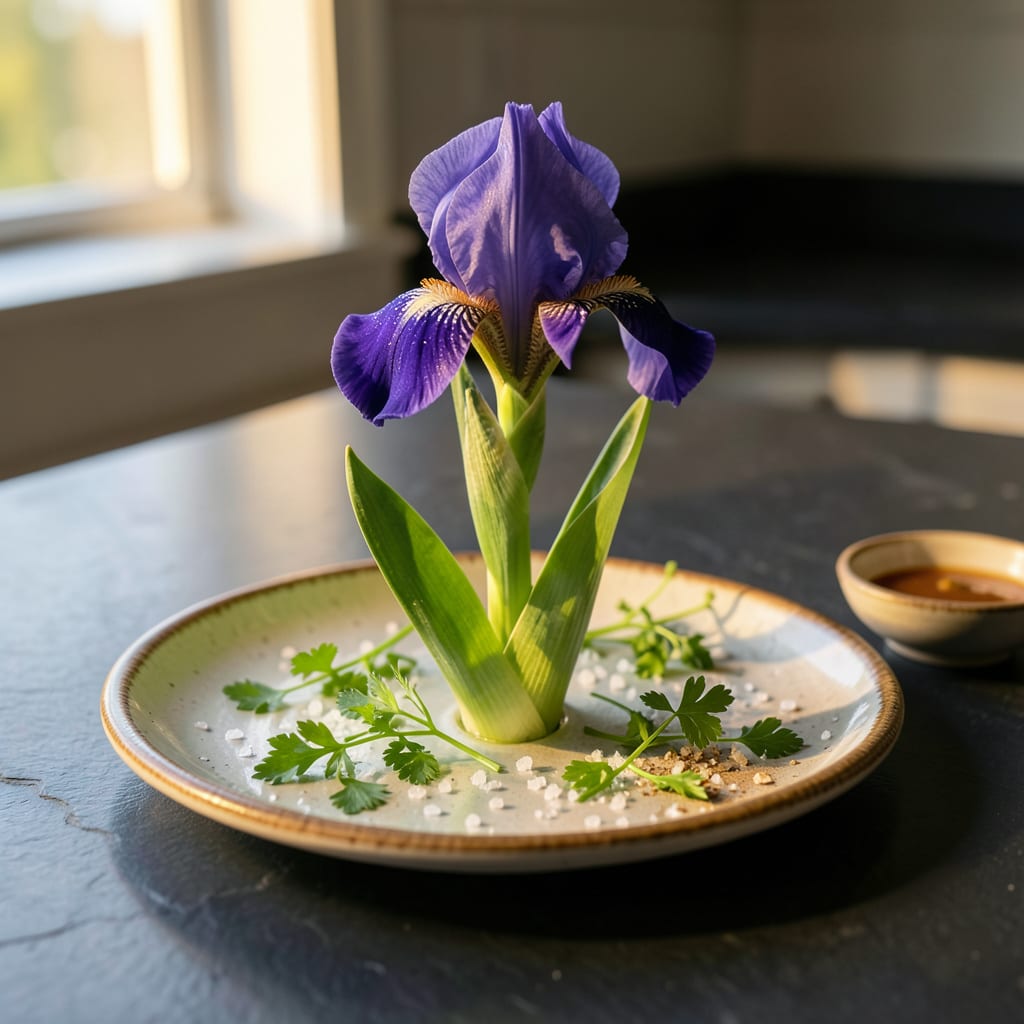
I’ve always been fascinated by irises 💐, and one question that often comes up is about their height. Whether you’re planning your garden layout or simply curious, understanding how tall irises can grow is essential for creating a beautiful and balanced garden space.
In USDA zone 6, irises can grow anywhere from 2 to 4 feet tall, depending on the variety and growing conditions. Let’s dive into the factors that influence their height and how you can encourage optimal growth.

I’ve found that understanding the height potential of irises is crucial for garden planning. The height of irises can vary significantly based on several factors including variety, growing conditions, soil quality, and sunlight exposure.
Generally, irises can grow anywhere from 2 to 4 feet tall. This range allows for various uses in garden design, from border plants to background features.
The specific growing conditions can significantly impact how tall irises will grow. For instance, poor soil quality can limit their height, while optimal sunlight can help them reach their maximum potential.
In my experience, bearded irises tend to be among the taller varieties, often reaching heights of 3 feet or more when conditions are favorable. On the other hand, some dwarf varieties may only grow to about 2 feet.
Understanding these factors is key to managing expectations and creating a garden layout that showcases irises effectively. By considering the specific needs and characteristics of your iris plants, you can better anticipate their height and plan your garden accordingly.
For example, Siberian irises are known for their slender stems and can grow quite tall, sometimes reaching heights of up to 4 feet. In contrast, Japanese irises tend to be somewhat shorter, typically ranging from 2 to 3 feet in height.
Proper care and maintenance also play a crucial role in determining the height of irises. Factors such as watering practices, fertilization, and soil preparation can all influence their growth.
By optimizing these conditions, gardeners can help their irises achieve their full height potential. This not only enhances the visual appeal of the garden but also ensures that the plants remain healthy and vigorous.
In addition to their height, the overall health and appearance of irises are influenced by their growing conditions. Adequate sunlight and proper watering are essential for promoting healthy growth and maximizing height.
It’s also worth noting that different iris varieties have different growth habits. Some may have a more upright growth pattern, while others may be more spreading. Understanding these characteristics can help gardeners choose the right varieties for their garden design.
Overall, the height potential of irises is an important consideration for gardeners. By understanding the factors that influence their height and providing optimal growing conditions, gardeners can enjoy these beautiful flowers at their full potential.
In conclusion, irises are versatile and stunning additions to any garden, with their height being a key factor in their overall appeal. By understanding and managing the factors that influence their height, gardeners can create a more beautiful and balanced garden space 🌼.
I’ve observed that different types of irises achieve varying heights based on their specific characteristics and growing conditions. Understanding these differences is crucial for gardeners who want to optimize the growth of their irises.
The main types of irises include bearded irises, Siberian irises, and Japanese irises, each with its unique height potential. Let’s examine how these varieties compare in terms of height.
Bearded irises are known for their taller growth, often reaching heights of 3 feet or more. This makes them ideal for creating dramatic garden displays.
Siberian irises, on the other hand, have slender stems that can grow quite tall, sometimes reaching heights of up to 4 feet. Their elegant appearance adds a touch of sophistication to any garden.
Japanese irises tend to be somewhat shorter, typically ranging from 2 to 3 feet in height. They have a clumping growth habit that can create a beautiful, lush display.
By understanding the height potential of different iris varieties, gardeners can make informed decisions about which types to plant and how to incorporate them into their garden design 🌼.
To help irises achieve their full height potential, proper care and maintenance are essential. One of the most critical factors is soil preparation. Irises thrive in well-draining soil with a mix of organic matter.
I recommend testing your soil to determine its pH level and nutrient content. Most irises prefer a slightly acidic to neutral soil pH, between 6.0 and 7.0. 🌼
For optimal growth, ensure your irises receive full sun to partial shade, depending on the variety. Regular watering during the growing season is also crucial, but avoid overwatering, which can lead to rot.
Planting depth is another vital consideration. Iris rhizomes should be planted just below the soil surface, with the roots buried and the rhizome exposed. This helps prevent rot and promotes healthy growth.
After planting, fertilization can support iris growth. Apply a balanced fertilizer after the blooming period to promote healthy foliage and future blooms.
By following these tips, gardeners can create optimal conditions for their irises to thrive and reach their maximum height potential.
Regular maintenance, including dividing and replanting every few years, can also help maintain the health and vigor of iris plants, ensuring they continue to grow tall and produce beautiful blooms.
