
Beautiful Plants For Your Interior
Beautiful Plants For Your Interior
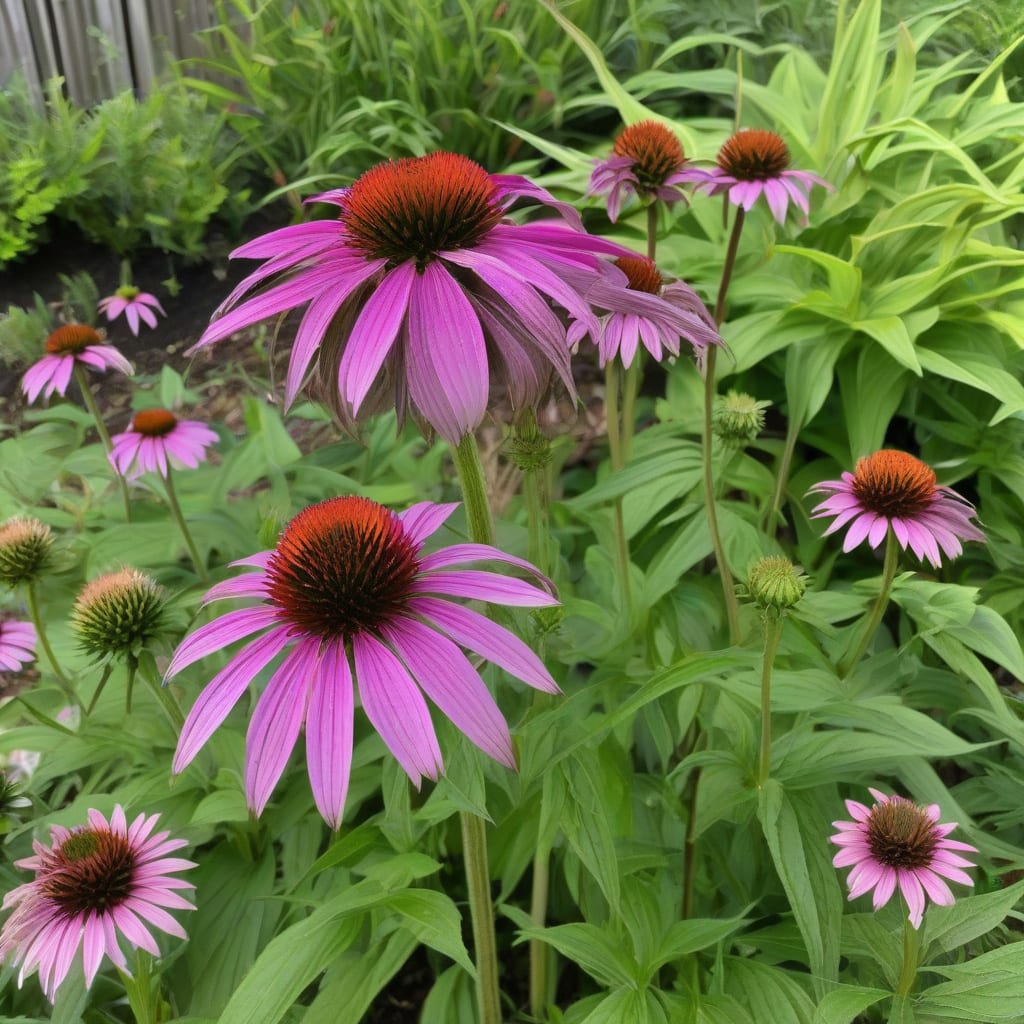
I’ve always been fascinated by the beauty and resilience of Echinacea 💐 plants in gardens. Understanding their growth patterns is crucial for proper placement and care.
Echinacea plants can grow between 2-4 feet tall, depending on the variety and growing conditions. Factors such as soil quality, sunlight, and watering habits all play a role in determining their mature height.


Echinacea plants are known for their impressive height, which can vary significantly depending on the specific variety. On average, most Echinacea species grow between 2-4 feet tall, making them a great addition to mid-to-back border plantings.
The height of Echinacea plants can be influenced by factors such as soil quality, sunlight, and watering habits. Understanding these factors is crucial for gardeners looking to optimize their plant’s growth.
Different Echinacea varieties have distinct growth habits. For example, Echinacea purpurea is known for its robust growth, reaching heights of up to 4 feet, while Echinacea angustifolia tends to be more compact, growing to around 2-3 feet.
When selecting an Echinacea variety, gardeners should consider the mature height of the plant to ensure it fits well within their garden design. Taller varieties can provide a dramatic backdrop, while shorter ones are perfect for border plant arrangements.
Some popular Echinacea cultivars include ‘Magnus’, ‘White Swan’, and ‘PowWow White’. These varieties offer a range of heights and flower colors, allowing gardeners to choose the perfect fit for their garden.
Echinacea plants are not only beautiful but also drought-tolerant and low-maintenance, making them an excellent choice for gardeners of all skill levels 🌼.
The growth rate of Echinacea plants can vary, but most establish themselves within the first growing season. With proper care, they can thrive for years to come.
In addition to their height, Echinacea plants are also known for their large, showy flowers, which attract pollinators and add visual interest to the garden.
To promote healthy growth and maximize height, gardeners should ensure their Echinacea plants receive adequate sunlight and water. Regular maintenance, such as deadheading, can also encourage more vigorous growth.
Overall, Echinacea plants are a versatile and attractive addition to any garden, offering a range of heights and growth habits to suit different garden designs.
By understanding the average height range of different Echinacea varieties, gardeners can make informed decisions when selecting plants for their garden, ensuring a beautiful and thriving outdoor space.
Echinacea plants are known for their impressive height, but their growth can be influenced by various factors. Understanding these factors is crucial for gardeners looking to optimize their plant’s growth and achieve the desired height 🌼.
The height of Echinacea plants can be affected by several key factors, including soil quality, sunlight, and watering habits. By adjusting these factors, gardeners can promote healthy growth and maximize their plant’s height.
To promote healthy growth and maximize height, ensure your Echinacea plants receive adequate sunlight and water. Regular maintenance, such as deadheading, can also encourage more vigorous growth.
Soil quality plays a significant role in determining the height of Echinacea plants. Well-draining soil with a mix of organic matter can support healthy growth, while poor soil conditions can limit a plant’s potential height.
Sunlight is another critical factor, as Echinacea plants require full sun to thrive. Providing at least 6 hours of direct sunlight daily can help promote robust growth and maximize height.
Watering habits also impact the height of Echinacea plants. Consistent moisture, especially during the first growing season, can help establish a strong root system, supporting taller growth.
In addition to these factors, fertilization and pruning practices can also influence the height of Echinacea plants. By adopting optimal care strategies, gardeners can encourage their plants to reach their full potential.
By understanding the factors that affect Echinacea plant height, gardeners can take steps to optimize their plant’s growth and achieve the desired height. With proper care and attention, Echinacea plants can thrive and become a beautiful addition to any garden 🌼.
I always recommend gardeners understand how to manage the height of their Echinacea plants to keep their garden looking its best. Proper pruning and support techniques can make a significant difference in maintaining the desired height and promoting healthy growth 🌼.
Pruning is an effective way to control the height of Echinacea plants. By removing spent flowers and cutting back tall stems, gardeners can encourage bushier growth and prevent the plants from becoming too leggy.
Remove spent flowers to encourage more blooms and prevent seed production.
Cut back tall stems after blooming to encourage bushier growth and prevent flopping.
In addition to pruning, providing support to taller Echinacea varieties can help prevent them from toppling over in the wind. Using stakes or plant supports can keep the plants upright and maintain their desired height.
By implementing these pruning and support techniques, gardeners can effectively manage the height of their Echinacea plants and enjoy a more balanced and visually appealing garden 🌼.
Regular maintenance is key to keeping Echinacea plants healthy and thriving. By combining proper pruning and support with optimal growing conditions, gardeners can enjoy beautiful blooms for years to come.
Echinacea plants are not only beautiful but also attract pollinators and add visual interest to the garden. With the right care and attention, they can be a stunning addition to any outdoor space 💐.
