
Beautiful Plants For Your Interior
Beautiful Plants For Your Interior
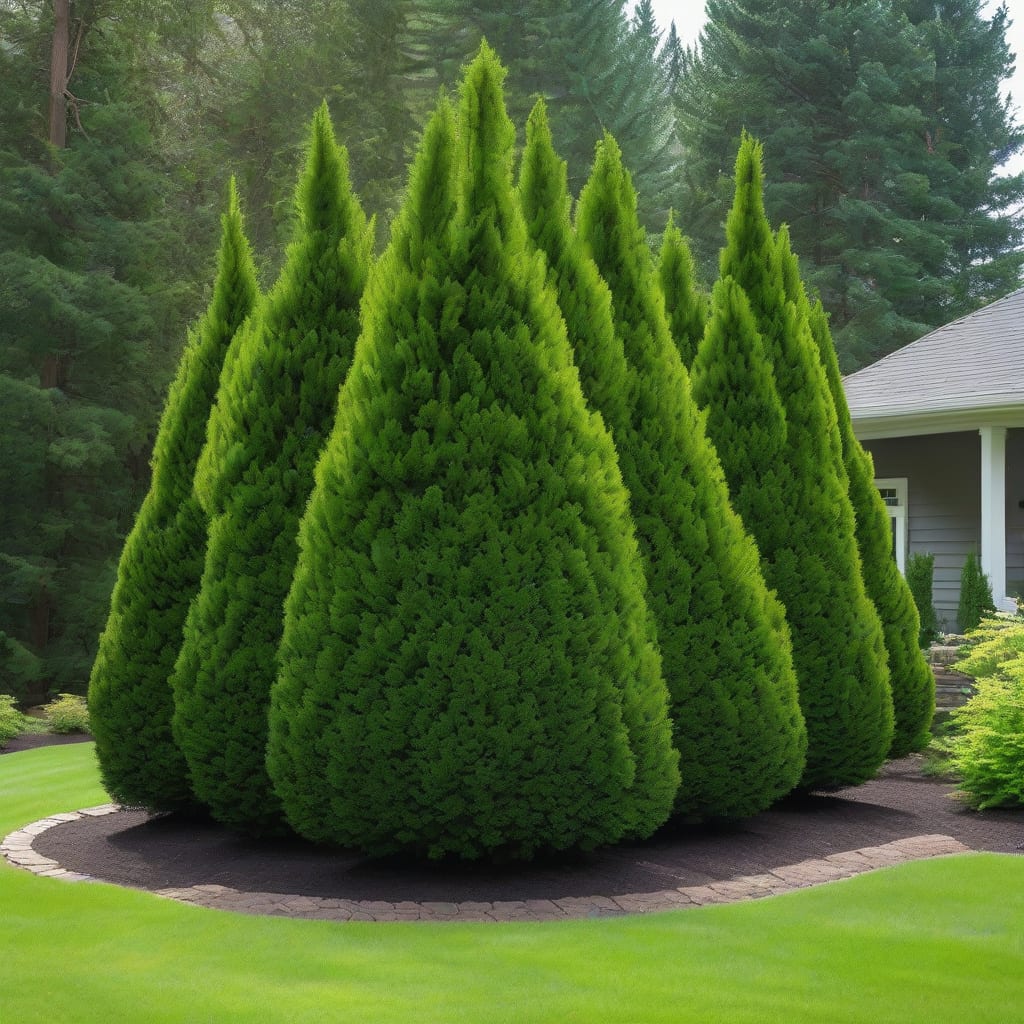
When planting Giant Arborvitae 🌳 in your landscape, understanding their growth potential is crucial for proper planning. These trees can grow significantly tall, making them a dramatic addition to any yard.
I will guide you through the factors that influence their height and what you can expect as they mature in USDA Zone 6. Let’s explore how to make the most of these magnificent trees.


Giant arborvitae trees are known for their impressive size and elegant appearance, making them a popular choice for landscaping. Understanding their growth potential is crucial for proper garden planning. These trees can grow significantly tall, and their mature height can vary based on several factors 🌳.
I will guide you through the growth patterns of giant arborvitae and what you can expect as they mature. The mature height of these trees is typically between 50 to 60 feet, with some specimens growing even taller under ideal conditions. Their growth rate is generally moderate, especially during their early years 🌱.
The height of giant arborvitae is influenced by several factors, including soil quality, sunlight exposure, and watering practices. These trees prefer well-draining soil and thrive in conditions with ample sunlight. Regular watering, especially during their early years, is essential for healthy growth 🌿.
Giant arborvitae are often used in landscaping as privacy screens or windbreaks due to their dense foliage and tall growth habit. Their ability to grow tall and maintain a narrow profile makes them an excellent choice for urban landscapes and small gardens where space is limited.
Understanding the growth patterns of giant arborvitae helps in planning and maintaining your garden effectively. By providing the right conditions and care, you can ensure that these trees reach their full potential and enhance the beauty of your landscape 🏠.
Giant arborvitae are relatively low-maintenance trees, requiring minimal pruning and care once established. However, regular maintenance can help manage their height and ensure they remain healthy and vibrant 🌟.
When planting giant arborvitae, it’s essential to consider their mature size and growth habits. Proper spacing and placement can prevent overcrowding and ensure that each tree has enough room to grow 🌳.
In summary, giant arborvitae can grow to be 50 to 60 feet tall under ideal conditions. By understanding their growth patterns and providing appropriate care, you can enjoy the beauty and benefits of these magnificent trees for years to come 🌲.
For more detailed information on managing the height of giant arborvitae through pruning and maintenance, continue reading the next section 📚.
Understanding the factors that influence the height of giant arborvitae is crucial for gardeners who want to optimize their growth. The height of these trees can be affected by several key factors, including soil quality, sunlight exposure, and watering practices 🌳.
Giant arborvitae prefer well-draining soil that is rich in nutrients. Soil quality plays a significant role in determining the health and growth rate of these trees. Ensuring the soil is adequately prepared can help promote healthy growth 🌱.
The height of giant arborvitae is influenced by soil quality, sunlight exposure, and watering practices. Optimal conditions can help these trees reach their full potential.
Sunlight exposure is another critical factor. Giant arborvitae thrive in conditions with ample sunlight, preferably full sun to partial shade. Adequate sunlight helps promote healthy growth and maximizes their height potential 🌞.
Watering practices also significantly impact the height development of giant arborvitae. Regular watering, especially during their early years, is essential for establishing a strong root system. Consistent moisture levels help support vigorous growth 💧.
In addition to these factors, maintenance practices such as pruning and fertilization can influence the height and overall health of giant arborvitae. Proper pruning techniques can help manage their height and maintain their desired shape 🌿.
By understanding and managing these factors, gardeners can create optimal conditions for their giant arborvitae to thrive. This knowledge helps in planning and maintaining a beautiful and functional landscape 🏠.
For more information on managing the height of giant arborvitae through pruning and maintenance, continue reading the next section 📚.
Giant arborvitae are versatile trees that can be used in various landscaping applications, from privacy screens to windbreaks. Their tall growth habit and dense foliage make them an excellent choice for many garden designs 🌲.
In summary, the height of giant arborvitae is influenced by a combination of factors including soil quality, sunlight exposure, and watering practices. By optimizing these conditions, gardeners can help their trees reach their full potential 🌟.
Managing the height of giant arborvitae through pruning and maintenance is essential for maintaining their desired shape and size. Regular pruning helps control their height and promotes healthy growth 🌳.
I recommend starting with a pruning plan that considers the tree’s natural growth habit and your desired outcome. Pruning should be done during the dormant season to minimize stress on the tree.
Evaluate the tree’s current height and shape to determine the necessary pruning cuts.
Remove select branches to maintain the desired height and promote a balanced structure.
Regularly inspect the tree and perform maintenance pruning as needed to maintain its shape.
By following these pruning steps, you can effectively manage the height of your giant arborvitae and ensure they remain a beautiful and functional part of your landscape 🌲.
Regular maintenance, including watering and fertilization, also plays a crucial role in the overall health and growth of giant arborvitae. Ensuring optimal growing conditions will help these trees thrive 🌟.
In summary, managing the height of giant arborvitae requires a combination of pruning and regular maintenance. By understanding and implementing these practices, you can enjoy the beauty and benefits of these magnificent trees for years to come 🌳.
