
Beautiful Plants For Your Interior
Beautiful Plants For Your Interior
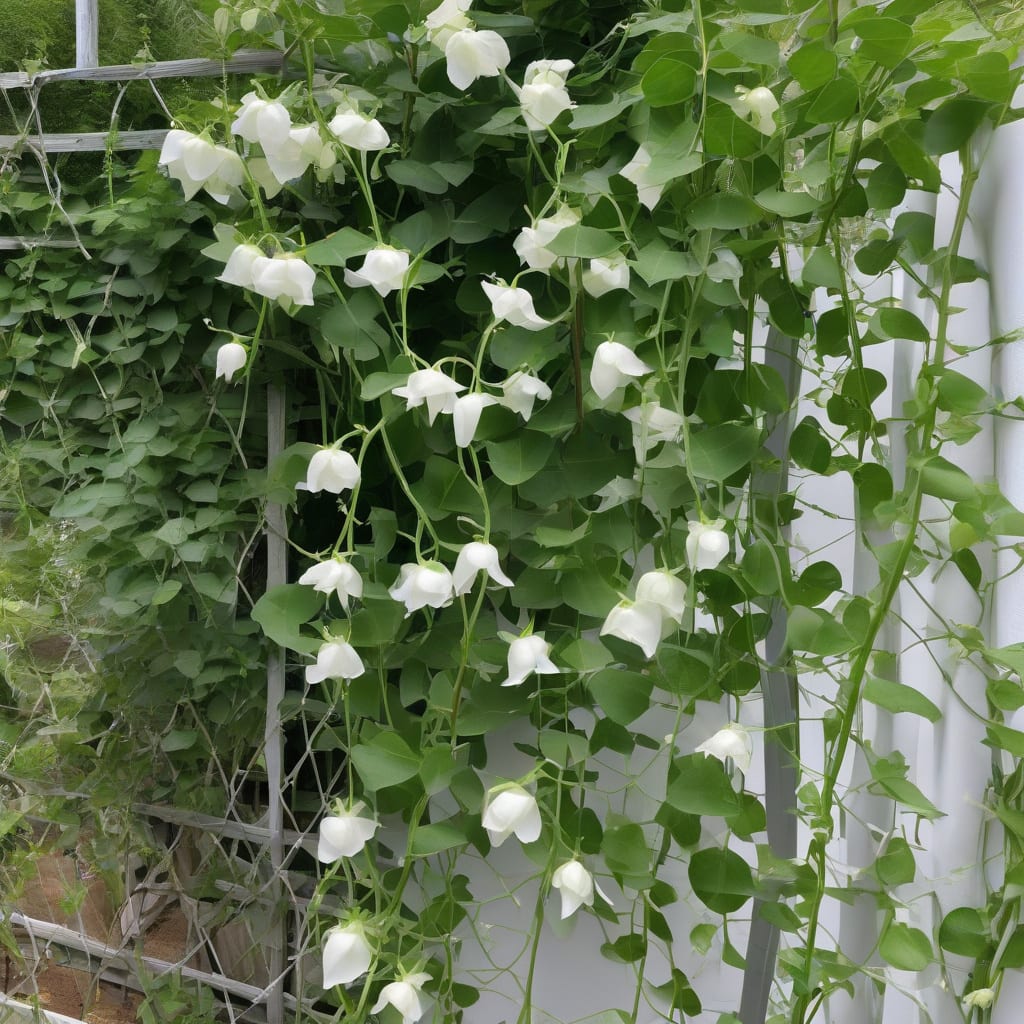
As a gardener, you’re probably wondering how tall your Alaska peas 🌱 will grow. These popular spring vegetables are known for their compact growth habit, but understanding their height is crucial for proper support and spacing.
In general, Alaska peas typically reach 2-3 feet in height, making them a great choice for small gardens or containers in USDA Zone 6. Let’s dive into the details of their growth habits and explore how to make the most of these productive plants.

2-3 ft

2-3 ft

2-3 ft

2-3 ft
Alaska peas are known for their compact growth habit and early production, making them a favorite among gardeners. Typically, these peas grow to be between 2-3 feet tall, which is roughly knee-high for an average adult. This height range makes them suitable for small gardens or container gardening 🌼.
The growth pattern of Alaska peas is characterized by their climbing nature. While they can grow upright to a certain extent, they benefit from support as they reach their full height. Understanding this growth habit is crucial for providing the right conditions for optimal development and yield 🌱.
The height of Alaska peas can be influenced by several environmental factors, including soil quality, sunlight exposure, and watering practices. Optimal growing conditions typically result in healthier plants that reach their maximum potential height. Proper spacing, usually 1-2 inches between seeds, also plays a role in how well these peas grow 🌿.
Understanding the growth habits and heights of Alaska peas is essential for planning your garden layout and ensuring that you provide the necessary support for these plants as they grow. This knowledge helps in maximizing space and achieving a bountiful harvest 🌻.
Alaska peas are a cool-season crop, thriving in the cooler temperatures of early spring. They are cold-tolerant and can be planted as soon as the soil can be worked in the spring, usually 4-6 weeks before the last frost date. This early planting allows them to mature before the onset of hot summer weather 🔥.
The growth rate of Alaska peas is relatively quick, with plants beginning to produce flowers and pods within 50 days of planting. This rapid growth, combined with their compact height, makes them an ideal choice for succession planting, allowing for multiple harvests throughout the growing season 📆.
In terms of support, while Alaska peas can grow without it, providing a trellis or stake can help keep the plants upright and make harvesting easier. The support also helps in preventing the plants from becoming too dense, which can lead to disease issues 🌿.
Overall, Alaska peas are a versatile and productive variety that can thrive in a variety of garden settings. Their manageable height and early production make them an excellent choice for gardeners looking to maximize their yield in a short growing season 🌼.
By understanding and catering to the growth habits of Alaska peas, gardeners can enjoy a bountiful harvest of these delicious and nutritious peas. Whether grown in containers or directly in the ground, Alaska peas are sure to be a rewarding addition to any garden 🌻.
For gardeners in USDA Zone 6, where the last frost date is typically around April 15, planting Alaska peas in early March allows them to make the most of the cool spring weather, leading to a successful and productive harvest 🌞.
When growing Alaska peas, providing proper support is crucial for maximizing their height and yield. These peas have a climbing nature and can benefit significantly from structures that help them grow upright 🌿.
One effective way to support Alaska peas is by using a trellis. A trellis allows the pea vines to climb and spread out, making the most of the available space and promoting healthier growth 🌱.
Proper support not only helps in maximizing space but also improves air circulation around the plants, reducing the risk of disease. It’s essential to install the support system early, ideally at the time of planting, to avoid damaging the roots later on 🌿.
For gardeners growing Alaska peas in containers, using a container-specific support like a cage or obelisk can be particularly effective. These structures are designed to fit within containers and provide the necessary support for the pea plants as they grow 🌼.
By providing the right support, gardeners can enjoy a healthier and more productive crop of Alaska peas. The effort put into supporting these plants pays off in the form of a bountiful harvest of delicious peas 🌻.
In addition to physical support, maintaining optimal growing conditions is vital. This includes ensuring the soil is well-draining and rich in organic matter, as well as providing adequate sunlight and water 🌞.
With the right combination of support and care, Alaska peas can thrive and provide a rewarding gardening experience. Their relatively compact height and early production make them an excellent choice for gardeners of all skill levels 🌱.
To maximize yield when growing Alaska peas, it’s essential to understand their growth requirements and provide optimal growing conditions. These peas thrive in cool weather, making early spring the ideal time for planting 🌞.
One key factor in promoting healthy growth is ensuring the soil is well-draining and rich in organic matter. Adding compost or well-rotted manure can significantly improve soil quality and support robust plant development 🌱.
For maximum yield, plant Alaska peas 4-6 weeks before the last frost date in your area. This allows them to mature before the onset of hot summer weather 🔥.
Proper spacing is another critical aspect of growing tall Alaska peas. Planting seeds 1-2 inches apart allows for adequate air circulation and reduces the risk of disease. This spacing also ensures that each plant has enough room to grow and receive sufficient sunlight 🌼.
Watering consistently is vital for the health and productivity of Alaska peas. They require consistent moisture, especially during the flowering and podding stages. Aim to water them every 3-4 days, depending on weather conditions 💧.
Finally, keeping an eye out for pests and diseases is crucial. Regularly inspect your plants for signs of trouble, and take action promptly if you notice any issues. This proactive approach helps in maintaining a healthy crop and maximizing your yield 🌻.
By following these tips and providing the right conditions, you can enjoy a bountiful harvest of delicious Alaska peas. Their relatively compact height and early production make them an excellent choice for gardeners looking to maximize their yield in a short growing season 🌼.
