
Beautiful Plants For Your Interior
Beautiful Plants For Your Interior
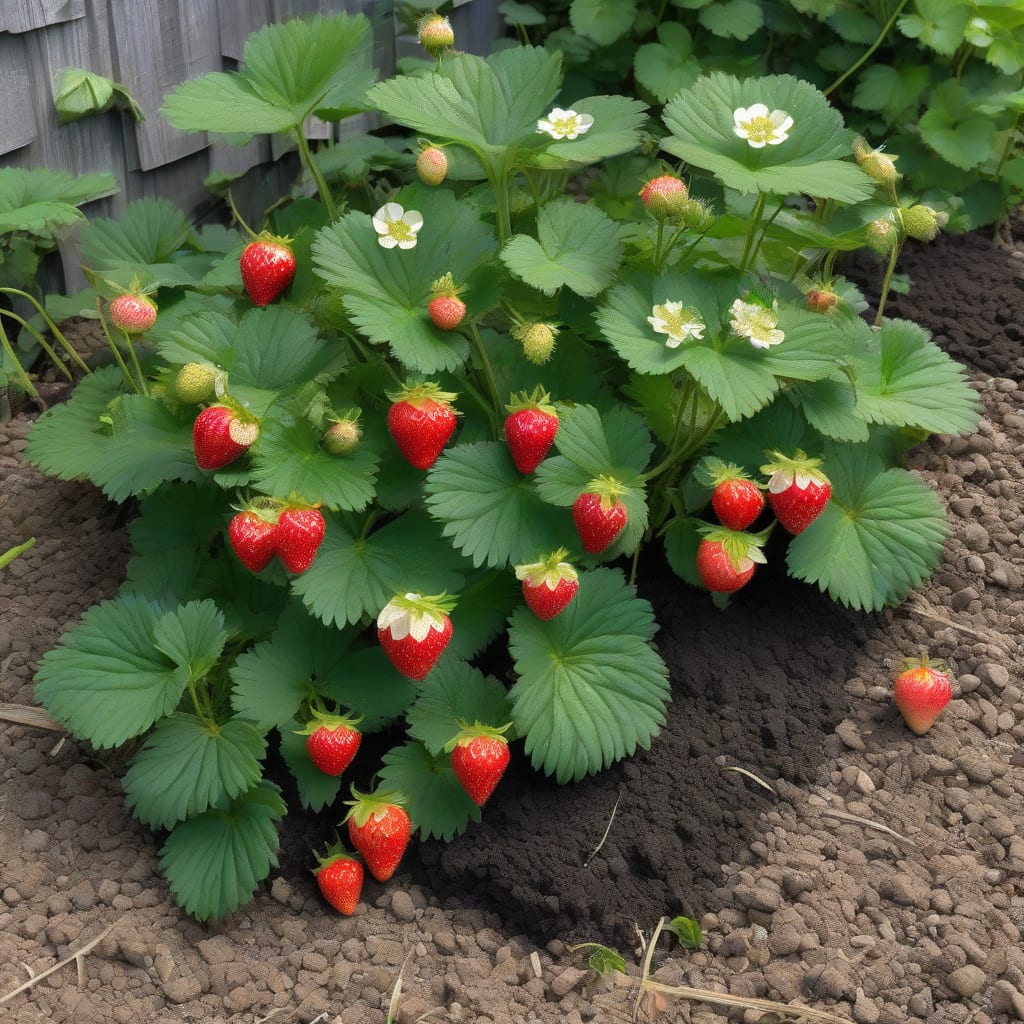
When growing strawberries 🍓, understanding their height is crucial for planning your garden space. These popular fruits typically grow between 0.5 to 1.5 feet tall, depending on the variety and growing conditions.
Factors like sunlight, soil quality, and watering practices can significantly impact their vertical growth and overall yield. By learning how to optimize these conditions, you can maximize your strawberry harvest and enjoy a bountiful crop.

0.5 ft

1 ft

1.5 ft

1-2 ft
Strawberry plants are known for their compact growth habit, typically reaching heights between 0.5 to 1.5 feet. The exact height can vary depending on the specific variety and growing conditions. Understanding these growth patterns is essential for maximizing yield and planning garden space effectively 🌱.
Different strawberry varieties exhibit unique growth habits that affect their overall height and productivity. The main types include alpine, day-neutral, and June-bearing strawberries, each with distinct characteristics that influence their vertical growth 📏.
The height of strawberry plants is influenced by their growth habit. Alpine strawberries are the most compact, while June-bearing varieties tend to be more vigorous and spread out more. Day-neutral strawberries fall somewhere in between these two extremes 🌼.
Understanding these characteristics helps gardeners choose the right variety for their space and provides a foundation for optimizing growing conditions to achieve maximum height and yield 📚.
While strawberry plants are generally low-growing, their height can be influenced by factors such as soil quality, sunlight exposure, and watering practices. Proper care can help maximize their growth potential and ensure a bountiful harvest 🍓.
The specific growing conditions required for optimal strawberry height include well-draining soil, adequate sunlight, and consistent moisture levels. Gardeners should ensure their plants receive full sun and are watered regularly to promote healthy growth 🌻.
In addition to variety selection, gardeners can employ various techniques to optimize strawberry plant height. These include proper spacing, regular fertilization, and effective pest management. By combining these strategies, gardeners can create an ideal environment for their strawberry plants to thrive 🌼.
Regular maintenance is crucial for maintaining optimal strawberry plant height. This includes removing dead or damaged leaves, controlling runners, and ensuring proper air circulation around the plants. These practices help prevent disease and promote healthy growth 🌱.
By understanding the growth patterns of different strawberry varieties and implementing proper care techniques, gardeners can maximize their yield and enjoy a successful harvest. Whether growing in containers or in-ground beds, strawberries can be a rewarding addition to any garden 🍓.
In conclusion, strawberry plants typically grow between 0.5 to 1.5 feet tall, with their exact height influenced by variety and growing conditions. By selecting the right variety and providing optimal care, gardeners can achieve maximum yield and enjoy a bountiful harvest 📏.
Strawberry plant height and yield are influenced by several key factors that gardeners can control to optimize their crop. Understanding these elements is crucial for creating ideal growing conditions that promote healthy growth and maximize fruit production 🌼.
Sunlight is one of the most critical factors affecting strawberry plant height. These plants require full sun to produce optimal yields, needing at least 6 hours of direct sunlight daily. Insufficient light can lead to leggy growth and reduced fruit production 🔆.
Strawberry plants need full sun and well-draining soil to achieve optimal height and yield. Proper watering practices and nutrient management are also essential for maximizing growth.
Soil quality plays a significant role in determining strawberry plant height. The ideal soil should be well-draining and rich in organic matter. Gardeners should aim for a slightly acidic to neutral soil pH, between 5.5 and 6.5, to support healthy growth 🌱.
Watering practices are another crucial factor. Strawberry plants require consistent moisture, especially during fruiting. However, overwatering can lead to root rot and other issues. Gardeners should water their plants regularly, ensuring the soil remains moist but not waterlogged 💧.
Nutrient requirements also impact strawberry plant height and yield. These plants benefit from regular fertilization with a balanced fertilizer. A feed schedule of every 4-6 weeks during the growing season can help maintain optimal nutrient levels and support vigorous growth 📦.
By understanding and managing these factors, gardeners can create an optimal environment for their strawberry plants. This includes providing adequate sunlight, maintaining good soil quality, practicing proper watering, and ensuring appropriate nutrient levels. These practices will help maximize plant height and yield, leading to a bountiful harvest 🍓.
In addition to these factors, gardeners should also consider the specific needs of their strawberry variety. Different types may have unique requirements that can impact their growth and productivity. By tailoring care practices to the specific variety, gardeners can further optimize their crop 📚.
Regular monitoring and adjustment of growing conditions are essential for maintaining optimal strawberry plant height. Gardeners should keep a close eye on their plants, making adjustments as needed to ensure they receive the right amount of sunlight, water, and nutrients. This proactive approach will help maximize yield and enjoy a successful harvest 🌼.
Maximizing strawberry yield requires careful management of plant height through proper care techniques. By understanding how to control and support strawberry plant growth, gardeners can significantly improve their harvest 🌼.
One effective method for managing strawberry plant height is through pruning. Regular removal of dead or damaged leaves helps maintain plant health and promotes vigorous growth. This practice also improves air circulation around the plants, reducing the risk of disease 🌱.
Regularly check strawberry plant height to identify any issues early. This allows for timely adjustments to care practices 📏.
Manage runners effectively to direct the plant’s energy towards fruit production rather than excessive spreading 🌿.
Use supports like straw or specialized strawberry mats to keep fruit off the ground, improving yield and reducing rot 🍓.
By implementing these expert tips, gardeners can effectively manage strawberry plant height and maximize their yield. Regular monitoring and adjustments to care practices will help ensure a bountiful harvest 🌼.
Proper height management not only improves yield but also makes harvesting easier and more efficient. Gardeners should consider these techniques when planning their strawberry cultivation strategy 📚.
In conclusion, managing strawberry plant height through pruning, runner control, and support is crucial for maximizing yield. By following these expert tips, gardeners can enjoy a successful and productive strawberry harvest 🍓.
