
Beautiful Plants For Your Interior
Beautiful Plants For Your Interior
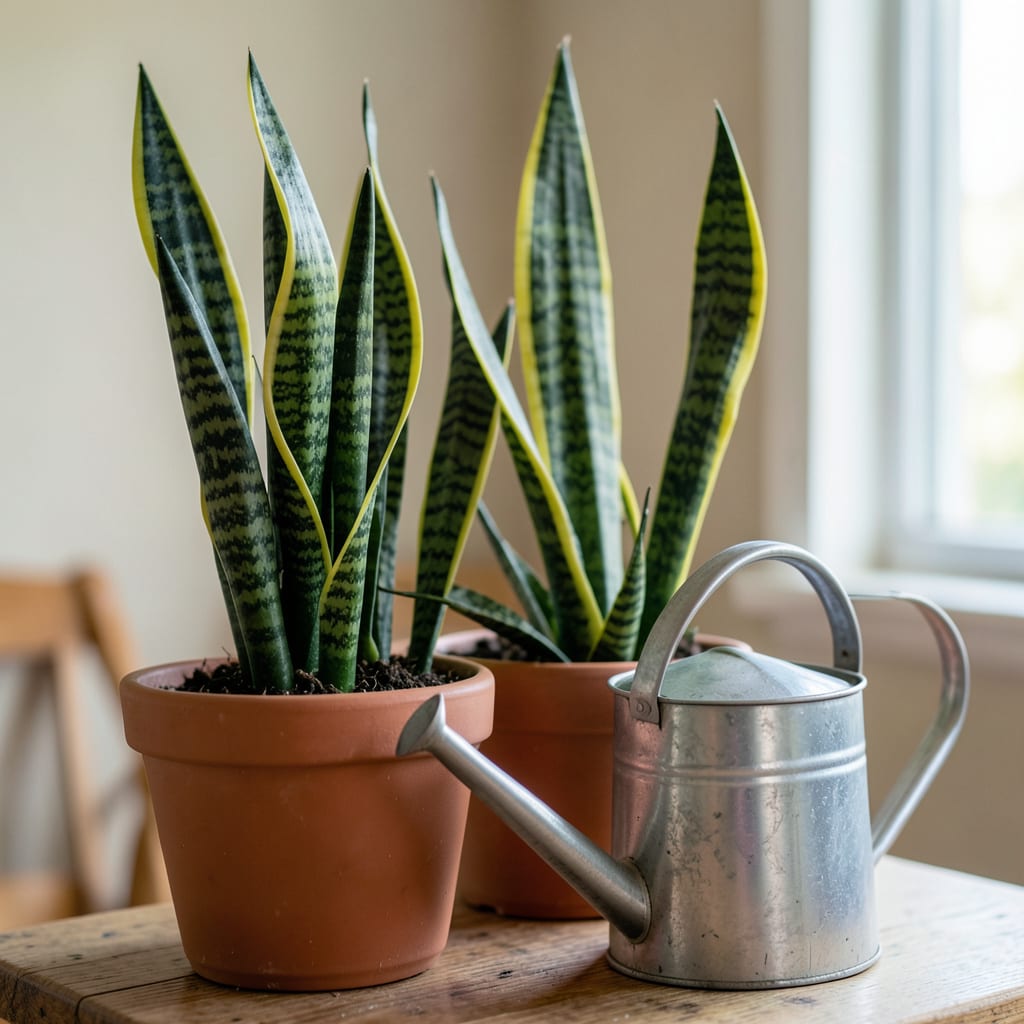
I’ve always been fascinated by the low-maintenance Snake Plant 🪴, perfect for busy people or those new to indoor gardening. Its ability to thrive in various conditions makes it a popular choice.
But one question remains: how much water does it really need? Let’s explore the watering needs of this resilient plant and ensure you’re giving it just the right amount of moisture to flourish.
I’ve found that understanding the watering needs of snake plants is crucial for their health. These plants are known for their low-maintenance requirements, but getting the watering right is essential. The key is to find the right balance between too much and too little water 🌿.
The ideal watering frequency for snake plants depends on several factors, including light exposure, temperature, and soil type. Generally, snake plants prefer to dry out between waterings, making them drought-tolerant. However, this doesn’t mean they can survive without water altogether 💧.
The watering needs of snake plants vary depending on the season. During the growing season (spring and summer), they require more frequent watering, typically every 2 weeks. In contrast, during the dormant season (fall and winter), they need less water, usually every 3-4 weeks 🌱.
It’s also important to consider the soil type when watering snake plants. A well-draining potting mix is essential to prevent root rot. Avoid using regular garden soil, as it can retain too much water and cause problems for the plant 🌿.
Watering mistakes can be detrimental to snake plants. Overwatering is a common issue, leading to root rot and other problems. On the other hand, underwatering can cause the leaves to become dry and crispy. Finding the right balance is key to keeping your snake plant healthy 💦.
To ensure you’re watering your snake plant correctly, check the soil moisture regularly. Stick your finger into the soil up to the first knuckle, and if it feels dry, it’s time to water. This simple trick can help you avoid overwatering and keep your plant thriving 🌟.
In addition to watering frequency, the water quality is also important. Use room-temperature water to avoid shocking the roots. Avoid using cold water, as it can cause the plant to become stressed ❄️.
By following these watering tips, you can help your snake plant thrive and enjoy its many benefits. Remember, the key is to be consistent and attentive to the plant’s needs, adjusting your watering schedule as necessary to ensure optimal health 🌿.
With a little practice and patience, you’ll become a pro at watering your snake plant. Keep in mind that every plant is different, and it may take some time to get to know your snake plant’s specific needs. But with the right care, it will reward you with beautiful, healthy foliage for years to come 🌸.
In summary, understanding how much water your snake plant needs is crucial for its health and longevity. By considering factors like light exposure, temperature, and soil type, you can develop a watering schedule that works best for your plant. Happy planting! 🌱
I’ve found that even with low-maintenance plants like snake plants, watering can be tricky. Both overwatering and underwatering can cause significant problems, so it’s crucial to recognize the signs early 🌿.
When you overwater your snake plant, you’re likely to notice yellowing leaves or soft, mushy stems. This is often a sign that the roots are rotting due to excess moisture. On the other hand, underwatering can cause leaves to become dry and crispy, or develop brown tips ⚠️.
If you notice yellowing leaves, soft stems, or brown tips, adjust your watering schedule accordingly. Check the soil moisture by sticking your finger into the soil up to the first knuckle. If it’s dry, it’s time to water; if it’s already moist, wait a few more days 🔍.
To avoid these issues, it’s essential to check the soil moisture regularly. Snake plants prefer to dry out between waterings, so make sure not to water too frequently. A good rule of thumb is to water when the top 1-2 inches of soil feel dry to the touch 🌟.
Adjusting your watering schedule based on the season can also help. During the growing season (spring and summer), snake plants may need more frequent watering. In contrast, during the dormant season (fall and winter), they require less water 🌱.
By being mindful of these signs and adjusting your watering habits, you can help your snake plant thrive. Remember, it’s all about finding that right balance between too much and too little water 💦.
In my experience, paying attention to the soil condition and the plant’s physical appearance is key. If you’re unsure, it’s always better to err on the side of underwatering rather than overwatering, as snake plants are more tolerant of dry conditions 🌿.
By following these guidelines and being attentive to your plant’s needs, you’ll be able to provide the right amount of water for your snake plant to flourish. Happy planting! 🪴
I understand that caring for snake plants can be challenging, especially when it comes to watering them in different environments. Whether you’re growing your snake plant indoors or outdoors, it’s essential to adjust your watering schedule accordingly 🌿.
When growing snake plants indoors, they typically require less water due to the lower light conditions and reduced transpiration. Water them every 3-4 weeks during the growing season, and even less frequently during the dormant season 🏠.
During spring and summer, increase watering frequency to every 2 weeks. In fall and winter, reduce to every 4-6 weeks as the plant’s growth slows down ⏰.
In dry environments, you may need to water more frequently. In humid conditions, you can reduce the frequency of watering to prevent root rot 💧.
Regardless of the environment, always check the soil moisture by sticking your finger into the soil up to the first knuckle. If it feels dry, it’s time to water 🌱.
For outdoor snake plants, the watering needs can vary significantly based on weather conditions. During hot summer months, they may require more frequent watering, while during cooler months, they need less water ☀️.
To ensure your snake plant thrives in any environment,
In summary, watering snake plants in different environments requires careful consideration of factors like light, temperature, and humidity. By following these expert tips, you can help your snake plant thrive and enjoy its many benefits for years to come 🌿.
Water your snake plant every 2 weeks during spring and summer when it’s actively growing. Make sure the soil dries out completely between waterings to prevent root rot.
Check the soil moisture by sticking your finger into the soil up to the first knuckle. If it feels dry, it’s time to water. This simple method helps prevent overwatering and ensures your plant stays healthy.
Yes, you can use tap water, but let it sit for 24 hours to allow chlorine to evaporate. This helps prevent shocking the roots. Using room-temperature water is also recommended.
Signs of overwatering include yellowing leaves and soft, mushy stems. If you notice these symptoms, stop watering immediately and let the soil dry out completely before resuming. Adjust your watering schedule accordingly.
