
Beautiful Plants For Your Interior
Beautiful Plants For Your Interior
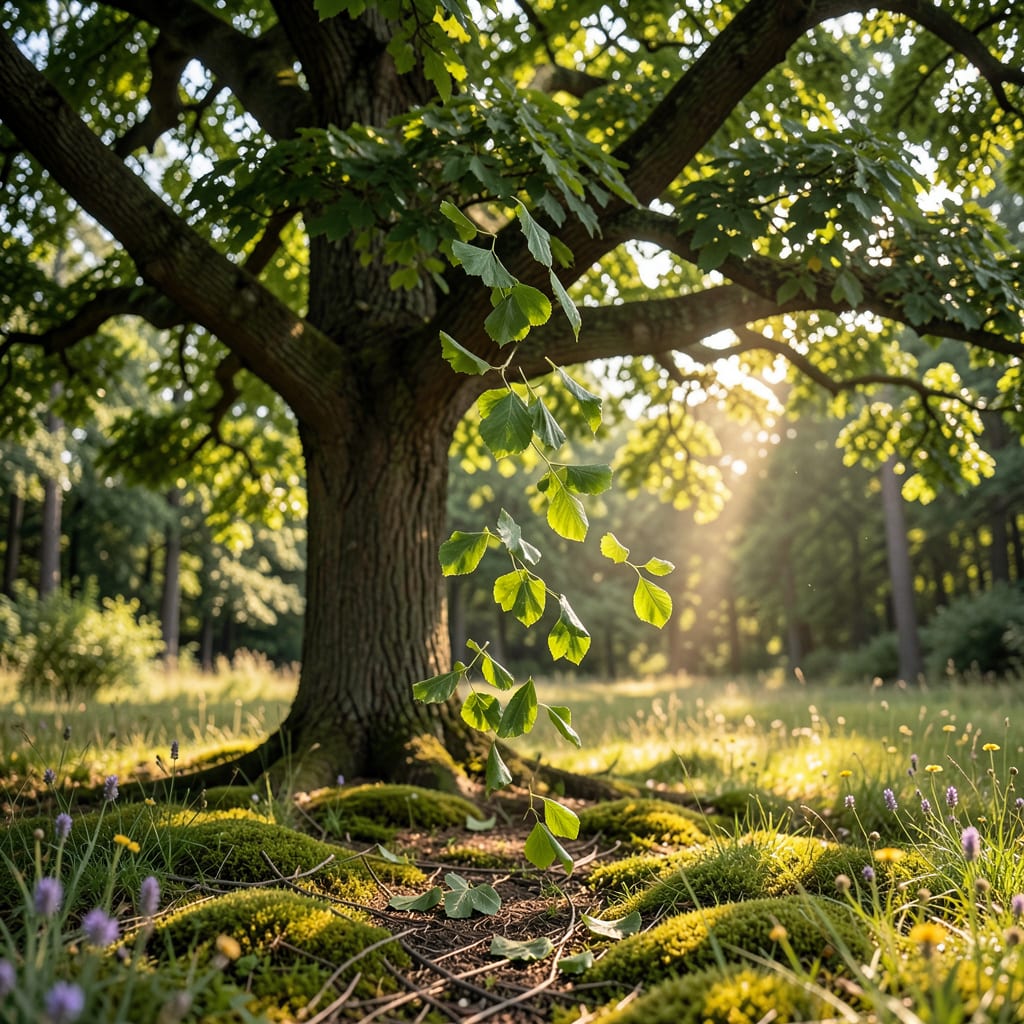
Nothing alarms a gardener like watching healthy green leaves drop in summer. I’ve stood under my maple in July, staring at the ground in disbelief—this isn’t supposed to happen now.
Turns out, it’s rarely one culprit. Drought stress, pests, or even overwatering can trigger it. The good news? Most causes are fixable if you catch them early.
You’ll spot the difference between natural shedding and trouble: yellowing edges, curled tips, or sticky residue mean action is needed. A quick inspection reveals the real issue.
With the right steps, your tree can rebound in 2-3 weeks. Here’s how to diagnose and treat it before the damage spreads.
Seeing green leaves falling off a tree in summer can be alarming, but it’s often a sign of stress rather than disease. Here are the most common causes, explained scientifically:
Trees lose water through transpiration, and extreme heat accelerates this process. If the roots can’t absorb water fast enough to replace what’s lost, the tree sheds leaves to conserve moisture. This is a survival tactic, especially in species like maples or oaks. Action: Deep watering (1–2 inches per week) at the drip line (not the trunk) helps roots access moisture.
Too much water suffocates roots, preventing oxygen uptake and leading to root rot. Symptoms include yellowing leaves that drop prematurely. Clay soils or compacted ground worsen this. Action: Check soil moisture 2–3 inches deep—if it’s soggy, reduce watering and improve drainage with organic mulch.
Insects like aphids, mites, or borers damage leaves or vascular systems, forcing the tree to drop foliage. Look for sticky residue (honeydew), holes in leaves, or sawdust-like frass. Action: Use horticultural oil or insecticidal soap for soft-bodied pests; consult an arborist for borers.
Pathogens such as anthracnose or bacterial leaf scorch cause spots, blight, or premature leaf drop. Wet, humid summers create ideal conditions. Action: Prune infected branches (sterilize tools between cuts!) and apply copper fungicide only if confirmed.
Newly planted trees may drop leaves as they adjust to their environment. This is temporary but stressful. Action: Provide consistent moisture and avoid fertilizing until the tree stabilizes (usually after the first growing season).
If your tree is losing green leaves in summer, don’t panic—there are actionable fixes for every common cause. Below, we break down solutions by issue, so you can restore your tree’s health fast.
Fix: Let the soil dry out between waterings. If the area is soggy, improve drainage by amending the soil with compost or sand. For potted trees, ensure the container has drainage holes.
Prevention: Use a moisture meter to monitor soil dampness. Water only when the top 2 inches of soil are dry. 💡
Fix: Deep-water the tree at dawn or dusk to reduce evaporation. Apply a 2–3 inch layer of mulch around the base (keep it 3 inches away from the trunk) to retain moisture.
Prevention: Install a drip irrigation system for consistent hydration. Shade cloths can protect young or sensitive trees during heatwaves. 🌡️
Fix: Inspect leaves for pests like aphids, mites, or borers. Treat with insecticidal soap or neem oil for mild cases. For severe infestations, use targeted pesticides labeled for your tree species.
Prevention: Encourage natural predators (e.g., ladybugs) and keep the area free of debris where pests breed. ✨
Fix: Prune affected branches with sterilized tools (dip in rubbing alcohol between cuts). Remove and destroy fallen leaves to prevent spread. Apply a copper-based fungicide if needed.
Prevention: Improve air circulation by thinning branches. Avoid overhead watering to keep foliage dry. 🎯
Fix: Test soil pH and nutrient levels. Amend with a balanced fertilizer (10-10-10) or organic options like compost tea. For iron deficiency (yellowing leaves), use chelated iron supplements.
Prevention: Fertilize in early spring and late summer. Follow label instructions to avoid overfeeding. 📊
Act quickly—the sooner you address the issue, the better your tree’s chances of recovery!
Not always. Trees may shed leaves to survive heat or drought stress. Check for other symptoms like spots or pests to confirm a problem.
Deep water 1–2 inches per week at the drip line, not the trunk. Water at dawn or dusk to reduce evaporation.
Yes, soggy soil suffocates roots, leading to leaf drop. Let soil dry 2–3 inches deep between waterings.
Aphids, mites, and borers damage leaves or vascular systems. Look for sticky residue or holes to identify the culprit.
