
Beautiful Plants For Your Interior
Beautiful Plants For Your Interior
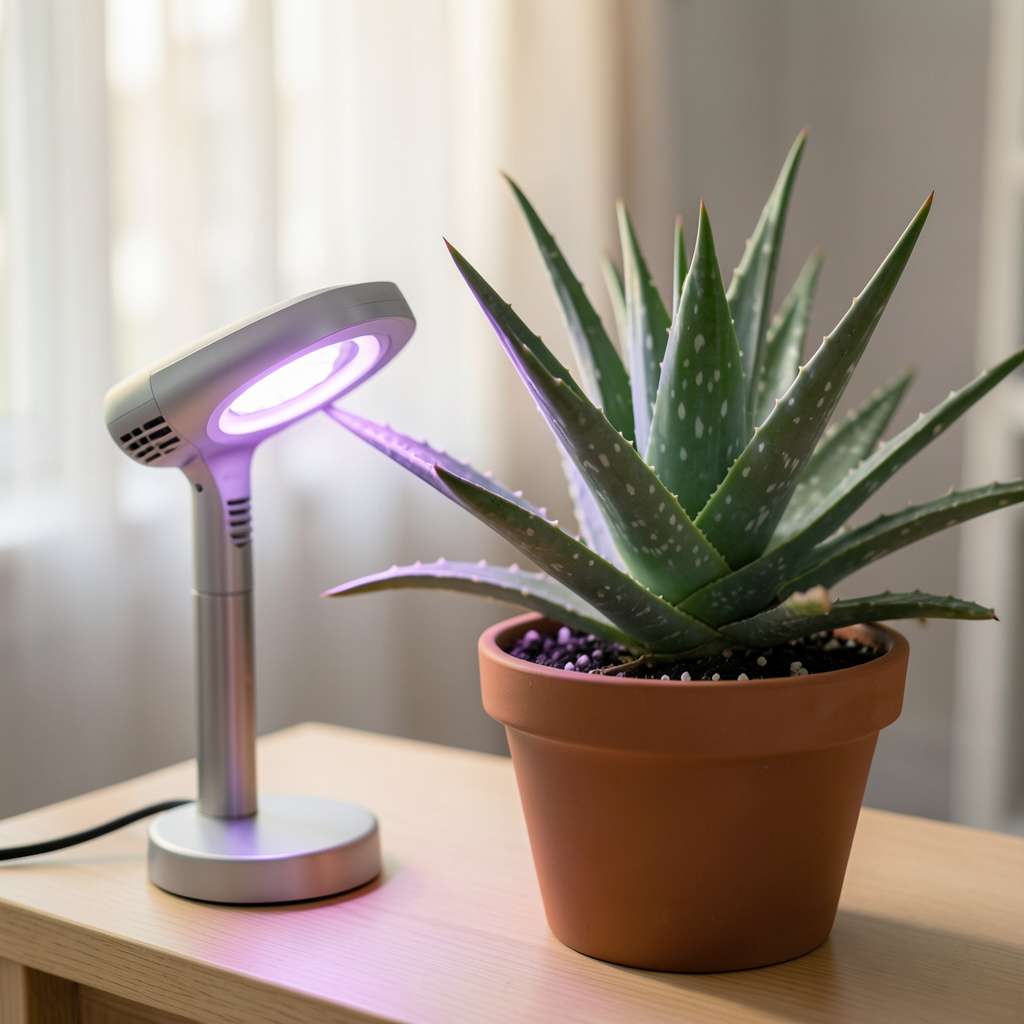
Yes, grow lights can burn plants if placed too close or used improperly. Signs include yellowing leaves, dry patches, or crispy edges. LED lights produce less heat but can still cause damage with excessive intensity or duration.
I’ve seen firsthand how even well-intentioned growers can accidentally stress their plants with lighting. The issue isn’t just about heat—it’s about overwhelming the plant’s ability to process light energy. 🔥 When the light intensity exceeds what the plant can use for photosynthesis, it triggers a stress response similar to sunburn in humans. This is particularly common with seedlings or young plants that haven’t developed their full protective waxy coatings yet.
What surprises many gardeners is that LED lights, while cooler than traditional bulbs, can still cause damage through photobleaching. The blue and white spectrum LEDs emit can be just as harmful as heat when plants are exposed for too long without proper distance. I always recommend starting with lights at the higher end of the recommended distance range and gradually adjusting based on how your plants respond.
💡 In This Article
The science behind light burn starts with understanding how plants process light energy. When photons from grow lights hit chlorophyll molecules, they should be used for photosynthesis—but when the intensity exceeds what the plant can handle, it creates reactive oxygen species (ROS).
These unstable molecules damage cell membranes, leading to the brown, crispy patches we see on leaves. Think of it like overloading an electrical circuit: too much energy at once causes system failure.
Different light types generate heat in distinct ways. High-pressure sodium (HPS) bulbs run at 400-600°F internally, radiating significant heat downward. LEDs stay cooler at 107-122°F, but their concentrated light output can deliver 500-1000 µmol/m²/s of photosynthetic photon flux density (PPFD)—enough to overwhelm plants if placed too close.
Fluorescent lights produce the least heat (80-100°F) but often lack the intensity needed for flowering stages. The danger isn’t just about temperature; it’s about how much light energy the plant absorbs per square inch.
What we often see in our garden journals is that seedlings show stress first. Their thin leaves and underdeveloped cuticles make them particularly vulnerable to both heat and intense light.
A tomato seedling under a 600W LED at 12 inches might develop yellow patches within 24-48 hours, while the same light at 24 inches allows healthy growth. The waxy cuticle that protects mature plants from excessive light transmission hasn’t fully formed in young plants, making them more susceptible to cellular damage.
The duration of exposure compounds the problem. Plants need dark periods to process the light energy they’ve absorbed during the day. Running lights for 18+ hours without proper distance creates a double stressor: continuous light exposure plus potential heat buildup.
We’ve noticed that plants under constant intense light often develop “bleached” areas where chlorophyll breaks down—these appear as white or pale yellow spots on leaves that were closest to the light source. 🔥
Here’s what’s particularly interesting about LED burns: they often appear as crispy edges on leaves rather than the classic “scorch” pattern from heat. This happens because LEDs emit light in specific wavelengths that can overwhelm the plant’s photosynthetic capacity in localized areas.
The blue spectrum (400-500nm) is particularly potent—while essential for vegetative growth, too much can inhibit leaf expansion and cause the characteristic “taco-ing” or curling of new growth.
Heat stress shows up differently than light burn. With excessive heat, you’ll often see:
The key factor is understanding your specific light’s output. A 300W LED might need 18-24 inches of distance, while a 1000W HPS should hang 24-36 inches above plants. Always check the manufacturer’s PPFD charts—these show how light intensity drops with distance.
What most growers don’t realize is that doubling the distance from the light reduces intensity by 75%, following the inverse square law of light distribution. ✨
Environmental factors play a role too. In enclosed spaces without proper ventilation, heat builds up faster than plants can transpire to cool themselves. We’ve found that adding a small oscillating fan (even on low) can reduce leaf surface temperatures by 5-10°F, making a significant difference in preventing stress.
The moving air also strengthens plant stems while helping maintain optimal leaf temperatures for photosynthesis.
Remember that different plants have different light tolerance thresholds. Leafy greens like lettuce thrive under 200-400 µmol/m²/s, while fruiting plants like tomatoes need 600-900 µmol/m²/s during flowering. Starting with lower intensity and gradually increasing as plants mature prevents shock.
Our rule of thumb: if you can feel noticeable warmth on your hand at plant level after 30 seconds, the light is likely too close for extended periods. 💡
For most LEDs, keep them 18-24 inches above seedlings and 12-18 inches for mature plants. HPS lights need more space—24-36 inches is safer. Always use the “hand test”: if your palm feels warm after 30 seconds at plant level, raise the light.
Watch for yellow or white patches on leaves closest to the light, often with crispy edges. Seedlings may show upward curling or “taco-ing” of new growth. Unlike nutrient deficiencies, light burn appears suddenly and worsens quickly—usually within 24-48 hours of exposure.
While LEDs run cooler (107-122°F), their intense light output can overwhelm plants through photobleaching. Blue spectrum LEDs are particularly potent—too much can inhibit leaf expansion and create localized damage that looks like nutrient burn but isn’t.
Most plants thrive on 14-16 hours during vegetative growth, reducing to 12 hours for flowering. Running lights 18+ hours without proper distance creates double stress: continuous light exposure plus potential heat buildup. Always use timers to maintain consistent cycles.
First, increase light distance by 4-6 inches immediately. Add a clip fan to lower leaf temperatures by 5-10°F. For crispy leaves, mist lightly with water (don’t soak). Remove severely damaged leaves to redirect energy. Most plants recover within 3-5 days if caught early.
