
Beautiful Plants For Your Interior
Beautiful Plants For Your Interior
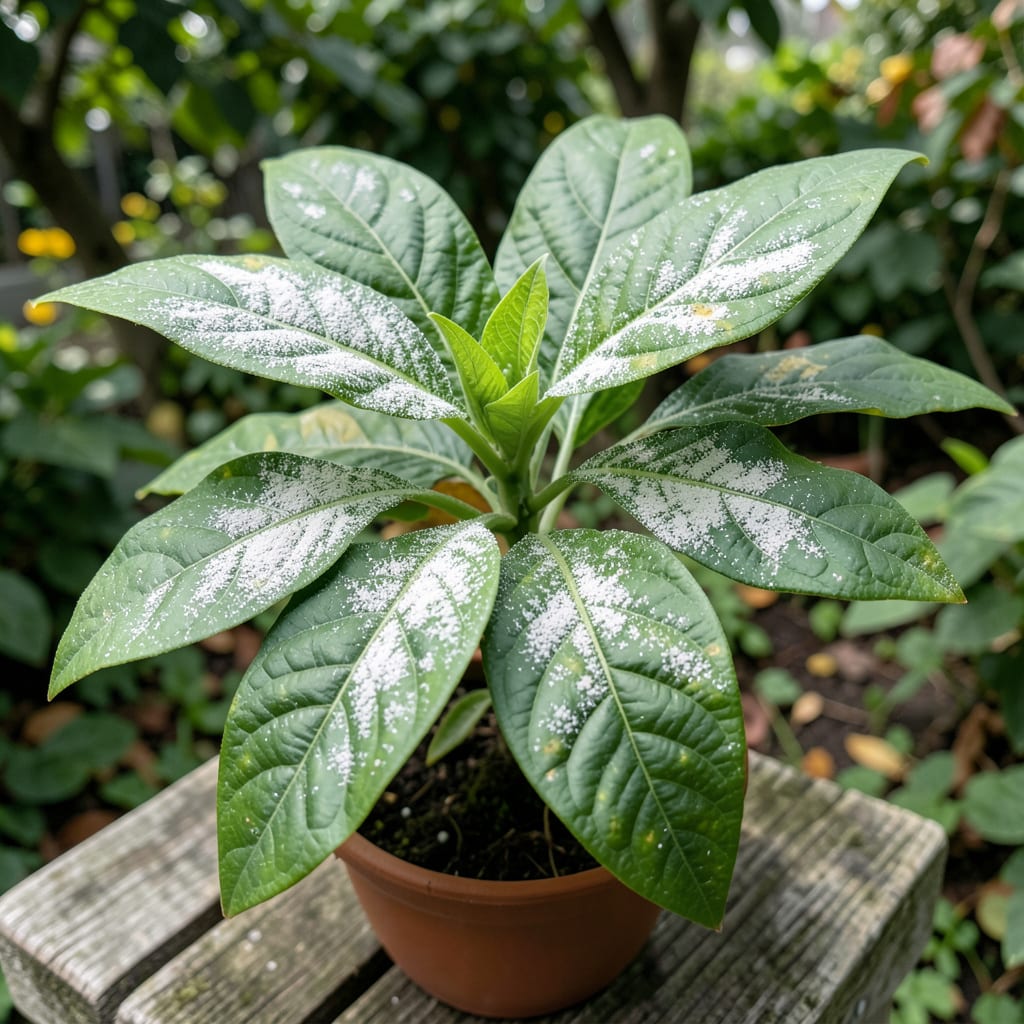
First time I saw it, I thought someone had dusted my zucchini leaves with flour. That white, powdery coating is unmistakable—like someone sprinkled talcum powder across the top surfaces of leaves, stems, and sometimes even flowers.
It starts as small, circular spots that quickly merge into larger patches. Unlike some plant issues, powdery mildew stays on the surface, never sinking into the tissue. You’ll often spot it first on older leaves before it spreads upward.
Left unchecked, affected leaves turn yellow and brittle, but the good news is it’s rarely fatal. The fungus thrives in dry, warm conditions with high humidity, which explains why it often appears in late summer.
Catching it early means you can treat it before it weakens your plants. Here’s how to recognize and stop it in its tracks.
Powdery mildew thrives under specific environmental conditions and is triggered by several key factors. Understanding these causes helps you prevent and manage outbreaks effectively.
This fungal disease flourishes in humid environments (60-80% relative humidity) combined with stagnant air. When moisture lingers on plant surfaces without proper ventilation, spores germinate and spread rapidly. Crowded plantings or dense foliage restrict airflow, creating the perfect breeding ground.
Powdery mildew prefers temperatures between 60-80°F (15-27°C). The contrast between warm days and cooler nights encourages dew formation, providing the moisture spores need to infect plants. Unlike other fungi, it doesn’t require free water to thrive—just high humidity.
Watering from above leaves foliage wet for extended periods, promoting spore growth. Dry leaves are less susceptible, so always water at the base of plants to keep leaves dry. Drip irrigation or soaker hoses are ideal for prevention.
Some plants are genetically more vulnerable, including roses, cucumbers, squash, phlox, and zucchini. New growth is especially prone. Choosing disease-resistant cultivars (e.g., powdery mildew-resistant cucumbers) can significantly reduce risk.
Excess nitrogen promotes lush, soft growth—a magnet for powdery mildew. Balance fertilization with potassium and phosphorus to strengthen cell walls. Avoid high-nitrogen feeds late in the growing season.
Powdery mildew can be stubborn, but with the right approach, you can restore your plants to health. Here’s how to tackle the issue based on its cause:
Crowded plants or stagnant air create the perfect environment for mildew. Fix it: Thin out dense foliage to allow airflow, and space plants properly. Use a small fan on low setting to keep air moving, especially in greenhouses or indoor gardens.
Wet leaves are a breeding ground for spores. Fix it: Water at the base of the plant using a soaker hose or drip irrigation. If you must water from above, do it early in the day so leaves dry quickly in the sunlight.
Prevention tip: 💡 Avoid watering in the evening when cooler temperatures slow evaporation.
Shady, humid spots encourage mildew growth. Fix it: Move potted plants to sunnier locations or prune nearby trees to let in more light. For indoor plants, consider a grow light. Use a dehumidifier if humidity stays above 60%.
For active infections, act fast. Fix it: Spray affected leaves with a mixture of 1 teaspoon baking soda + 1 quart water + a few drops of dish soap. For severe cases, use a fungicide like neem oil or sulfur-based products, following label instructions carefully.
Prevention tip: ✨ Remove and destroy heavily infected leaves or plants to prevent spores from spreading.
Consistency is key—monitor your plants regularly and adjust conditions as needed to keep mildew at bay!
No, while it often starts on upper leaf surfaces, it can spread to undersides, stems, and flowers. The white, powdery patches remain superficial, never sinking into plant tissue.
Yes, spores travel easily via wind or water. Keep infected plants isolated and remove affected foliage immediately to prevent spreading to nearby plants.
No, downy mildew appears as yellow spots with fuzzy growth underneath leaves and thrives in wet conditions. Powdery mildew is white, surface-level, and prefers dry foliage.
Rarely. While it weakens plants by reducing photosynthesis, early treatment usually restores health. Severe cases may cause leaf drop or stunted growth.
