
Beautiful Plants For Your Interior
Beautiful Plants For Your Interior
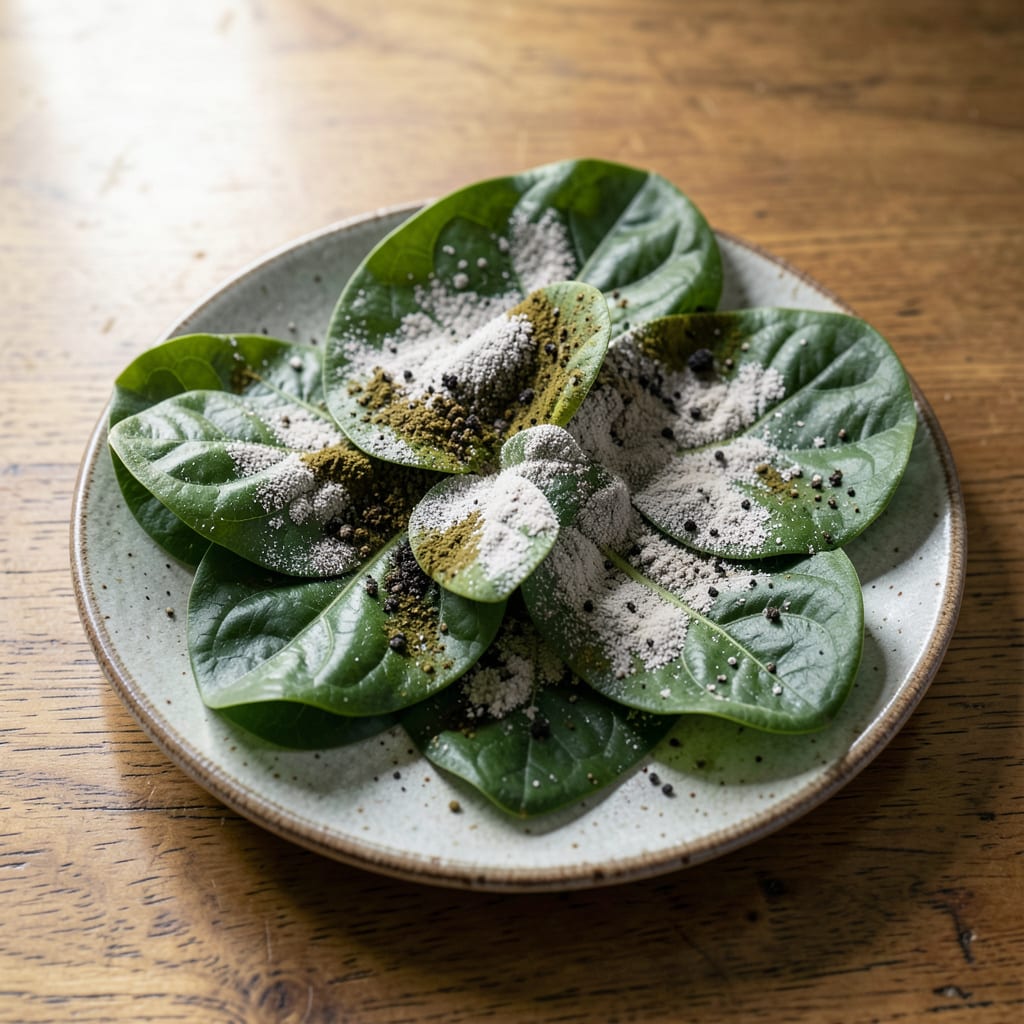
White spots on your plants overnight? I’ve seen mold spread faster than you’d believe. The good news: it’s fixable if you catch it early.
Powdery mildew looks like flour dusted on leaves, while downy mildew shows up as yellow patches with fuzzy growth underneath. Both thrive in damp, still conditions—exactly what happens when plants are too close together.
Start with better airflow and a quick spray of diluted baking soda. This slows the spread while you adjust your watering routine. Morning watering gives leaves time to dry before nightfall.
Prevention is simpler than treatment. Space plants properly, prune crowded areas, and water at the base. Your garden will thank you with healthier leaves and fewer surprises.
Mold on plant foliage thrives under specific conditions. Understanding these triggers helps you prevent and address the issue effectively.
High humidity and prolonged dampness create the perfect breeding ground for mold spores. Overwatering, poor drainage, or frequent rain can leave leaves wet for extended periods, encouraging fungal growth like Botrytis or powdery mildew. Ensure proper air circulation and avoid overhead watering to reduce moisture buildup.
Stagnant air traps moisture around leaves, accelerating mold development. Crowded plants, dense canopies, or indoor setups without ventilation worsen the problem. Prune overgrown foliage and use fans or open windows to improve airflow, especially in greenhouses or indoor gardens.
Over-fertilizing, particularly with nitrogen-heavy formulas, can soften plant tissues, making them more susceptible to fungal infections. Weak or stressed plants also lack the resilience to fend off spores. Balance your fertilization schedule and prioritize plant health to minimize vulnerability.
Dead leaves, fallen petals, or decaying plant matter on the soil surface harbor mold spores. These materials retain moisture and provide nutrients for fungi to thrive. Regularly remove debris from the base of plants and keep the growing area clean to disrupt the mold lifecycle.
Tackling mold on your plants starts with identifying the root cause. Here’s how to address each issue and prevent future outbreaks:
Fix: Let the soil dry out between waterings. Repot the plant in fresh, well-draining soil if the roots are soggy. Use containers with drainage holes to avoid waterlogging.
Prevention tip: 💡 Stick your finger an inch into the soil—if it’s dry, it’s time to water. Always empty saucers after watering.
Fix: Move plants to a space with better air circulation, like near an open window or a fan (set to low). Prune dense foliage to improve airflow.
Prevention tip: 🌡️ Use a dehumidifier in damp rooms or group plants loosely to allow air to move freely.
Fix: Remove affected leaves immediately and discard them (don’t compost). Spray the plant with a natural fungicide like neem oil or a baking soda solution (1 tsp baking soda + 1 quart water + a drop of dish soap).
Prevention tip: ✨ Sterilize pruning tools with rubbing alcohol between cuts to avoid spreading spores.
Fix: Replace the top layer of soil with fresh, sterile potting mix. Clean pots and tools with a 10% bleach solution or boiling water.
Prevention tip: 🎯 Always use pasteurized soil and clean tools to prevent introducing mold spores.
Fix: Thin out crowded plants or move them to separate containers. This reduces humidity buildup and improves airflow.
Prevention tip: 🌿 Space plants according to their mature size to keep leaves dry and air moving.
Mold appears as fuzzy growth or discolored patches, while dust can be wiped off easily. Powdery mildew looks like white flour, and downy mildew shows yellow spots with fuzzy undersides.
Yes, a solution of 1 tablespoon white vinegar per 1 gallon of water can help. Spray lightly on affected leaves, but avoid overuse as it may harm plants. Test on a small area first.
Recurring mold usually means the environment hasn’t changed. Check for poor airflow, high humidity, or overwatering. Adjust care routines to break the cycle.
Most plant molds aren’t harmful to humans, but avoid touching or inhaling spores. Wear gloves when handling affected plants and wash hands thoroughly afterward.
