
Beautiful Plants For Your Interior
Beautiful Plants For Your Interior
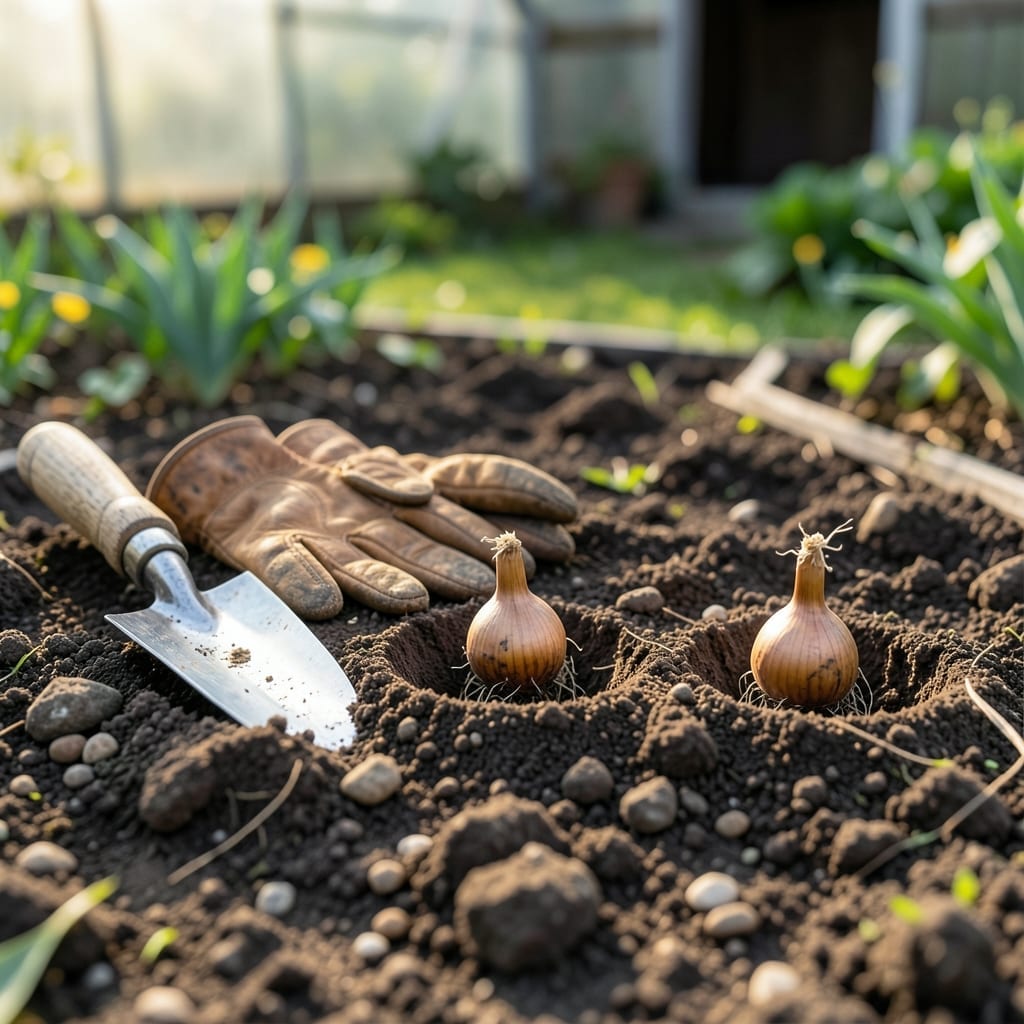
Timing is everything when planting Tulip bulbs in the fall—plant too early and they may rot, too late and they won’t bloom. Discover the perfect window for vibrant spring flowers.
As the crisp air of fall arrives, gardeners know it’s time to prepare for next year’s color. The 🌷 Tulip thrives when planted at just the right moment, and I’ll help you find that sweet spot.
In Zone 6a, the ideal window is September through October, giving bulbs time to establish roots before winter. But there’s more to it than just timing.
Learn how to set your Tulip bulbs up for success, from soil prep to post-planting care. By spring, you’ll be rewarded with a stunning display that was worth the wait.
Timing your tulip bulb planting in fall is crucial for spring blooms. The ideal window ensures bulbs develop strong roots before winter dormancy without sprouting too early.
As a rule of thumb, plant 4-6 weeks before the first hard frost in your area. This gives bulbs enough time to establish themselves in cool soil without risking frost damage.
| USDA Zone | Planting Window | Soil Temp |
|---|---|---|
| 3-4 | September | 50-60°F |
| 5-6 | October | 55-65°F |
| 7-8 | November | 60-70°F |
In colder zones like 3-4, early September planting works best. The soil stays warm longer, giving bulbs time to root before the ground freezes.
For moderate zones 5-6, mid to late October is ideal. Wait until soil temps drop below 60°F to prevent premature sprouting.
Gardeners in warmer zones 7-8 can plant in November. I recommend using a soil thermometer to confirm temps are below 65°F.
Remember, tulips need 12-14 weeks of chilling to bloom properly. Planting too late in warm climates may require artificial chilling of bulbs.
Soil preparation is just as important as timing. I always test and amend my soil for good drainage to prevent bulb rot.
After planting, water thoroughly to settle the soil. Then, I add a 2-3 inch mulch layer to insulate against temperature swings. This protects bulbs during unseasonable warm spells.
Monitor your local weather and adjust planting time accordingly. A sudden cold snap might mean moving your timeline up by a week.
🌷Planting tulip bulbs in fall is all about timing and preparation. I always start by checking the soil temperature—it should be below 60°F to prevent premature sprouting. This ensures bulbs develop strong roots before winter dormancy.
First, choose a sunny location with well-draining soil. Tulips thrive in spots that get at least 6 hours of sunlight daily. Avoid low-lying areas where water might pool, as soggy soil can cause bulbs to rot.
After planting, I cover the area with 2-3 inches of mulch to insulate the soil. This helps protect bulbs from temperature fluctuations and retains moisture without waterlogging.
Post-planting care is simple but critical. I water weekly if rainfall is less than 1 inch. Overwatering can lead to fungal diseases, so I always check soil moisture first.
For a stunning spring display, I plant bulbs in clusters of 5-10 rather than single rows. This creates a natural, full look when they bloom. Just
Finally, mark your planting spots with stakes or labels. This prevents accidental digging and helps you track varieties. With these steps, you’ll enjoy vibrant tulip blooms come spring 🌷