
Beautiful Plants For Your Interior
Beautiful Plants For Your Interior
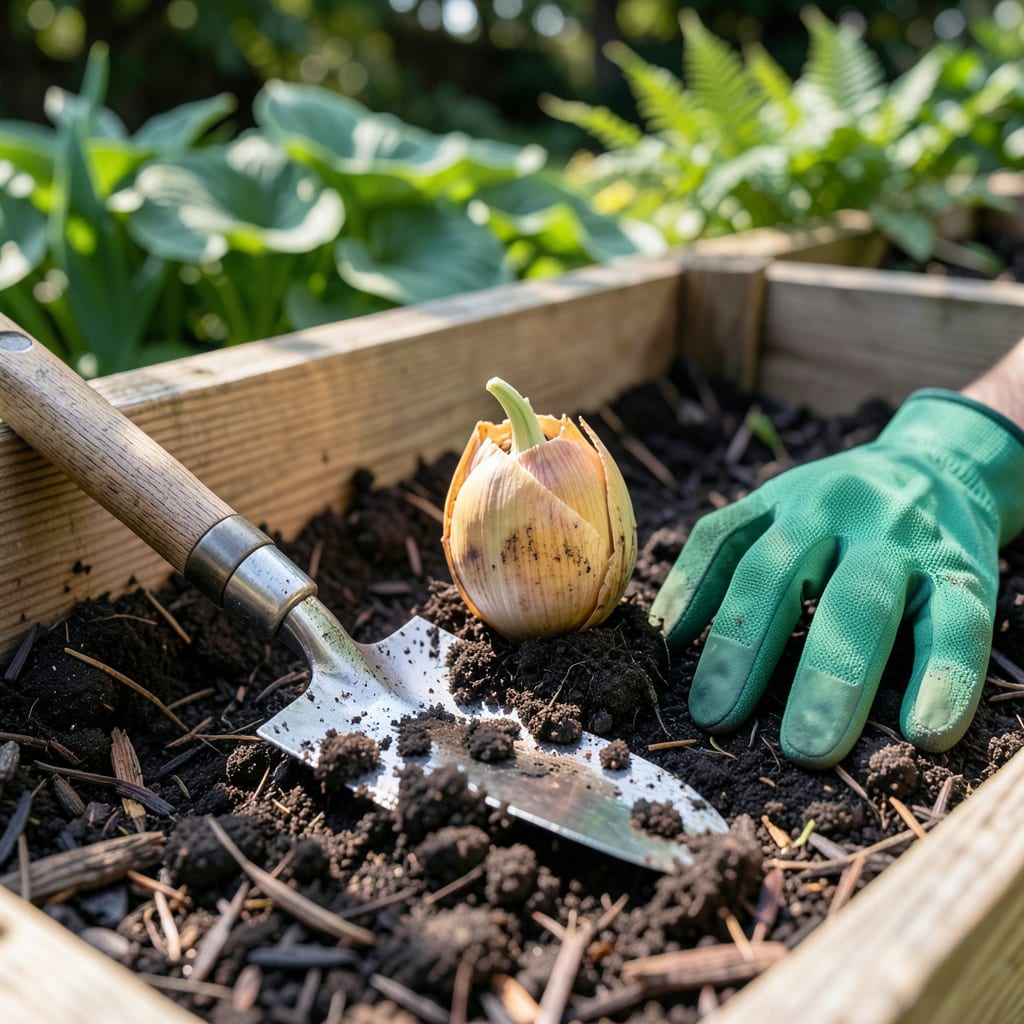
If you’ve ever planted bulbs in Zone 8b only to watch them fizzle out before spring, you know timing is everything. Our mild winters and scorching summers create a unique challenge—plant too early, and bulbs may rot; too late, and you’ll miss those vibrant blooms entirely.
After years of testing what works (and what doesn’t) in this climate, I’ve nailed down the perfect schedule. Whether you’re in Austin, Dallas, or Atlanta, I’ll show you exactly when to get those tulips and daffodils in the ground for show-stopping spring color.
If you’re gardening in Zone 8b, timing your bulb planting is crucial for vibrant spring displays. Unlike colder zones, our mild winters mean we plant later—typically from late November to December. This ensures bulbs get the chilling period they need without sprouting too early.
I’ve found that soil temperature is your best guide. Aim for 60°F or cooler at planting depth (about 6 inches). In cities like Austin, Dallas, or Atlanta, this usually happens after Thanksgiving. Too warm? Your bulbs may rot or grow weak stems.
| Bulb Type | Planting Window | Bloom Time |
|---|---|---|
| Tulips | Late Nov–Dec | Early–mid spring |
| Daffodils | Mid Nov–early Dec | Late winter–early spring |
| Hyacinths | Late Nov–Dec | Early spring |
| Crocuses | Oct–early Nov | Late winter |
| Alliums | Oct–mid Nov | Late spring |
Note: Adjust for microclimates—urban areas may need slightly later planting.
For summer-blooming bulbs like dahlias or lilies, wait until spring when soil warms to 55°F+. Plant these in March–April after the last frost risk passes. They thrive in Zone 8b’s hot summers but need warm soil to start.
Pro tip: If you’re in a warmer microclimate (like near concrete or south-facing beds), plant bulbs 1–2 weeks later than the table suggests. I’ve seen tulips fail when planted too early in Austin’s urban heat islands.
Don’t forget pre-chilling! If you buy bulbs in September, store them in the fridge (not freezer) for 6–8 weeks before planting. This mimics winter and ensures strong stems. Skip this, and you might get floppy, weak blooms.
Mulching is non-negotiable in Zone 8b. After planting, add 2–3 inches of mulch (straw or shredded leaves) to insulate bulbs. Our winters are mild, but temperature swings can trick bulbs into sprouting too soon.
If you’re planting in containers, you’ve got more flexibility. I’ve successfully planted tulips in pots as late as January—just keep them in a cool, shaded spot until roots establish, then move to sun.
Remember, Zone 8b’s last frost is typically around March 1–15, but bulbs need time to root before then. Planting in December gives them 8–10 weeks to develop roots without top growth.
Finally, mark your calendar for fertilizing! I feed bulbs with a low-nitrogen, high-phosphorus mix (like 5-10-10) at planting and again when shoots emerge. This boosts root growth and flower production without promoting weak foliage.
With this schedule, you’ll get bigger blooms and longer-lasting displays. Trust me—your spring garden will thank you! 🌷
Getting your bulbs in the ground at the right depth is just as important as timing. In Zone 8b, I plant most bulbs 2–3 times deeper than their height. For example, a 2-inch tulip bulb goes 4–6 inches deep. This protects them from our occasional temperature swings.
Spacing matters too! For a naturalized look, I plant bulbs 3–5 inches apart. For formal beds, I space them 6 inches apart to prevent overcrowding. In clay-heavy soils (common in Dallas and Atlanta), add compost or sand to improve drainage and prevent rot.
Layer 1 inch of sand beneath bulbs in clay soil to prevent waterlogging. Top with 2 inches of mulch after planting to regulate soil temperature. This trick saved my hyacinths during a wet Austin winter!
Our mild winters mean bulbs don’t need deep freezing, but they do need consistent moisture. Water thoroughly after planting, then keep soil slightly damp (not soggy) through winter. I check moisture weekly—if the top inch is dry, it’s time to water.
For container planting, use pots with drainage holes and a mix of potting soil + perlite. I’ve had great success with tulips in containers by planting them 1 inch shallower than in-ground recommendations. This prevents water from pooling at the base.
Don’t skip the fertilizer boost! At planting, I mix in bone meal or a 5-10-10 bulb fertilizer to encourage root growth. Avoid high-nitrogen mixes—they promote foliage over flowers. A second feeding when shoots emerge gives them the energy for bigger blooms.
Finally, label your plantings! I use popsicle sticks or a garden map to track varieties. It’s easy to forget where you planted late-blooming alliums among early tulips. Trust me—future you will thank present you when spring arrives! 🌿
Even experienced gardeners in Zone 8b can make critical errors when planting bulbs. Our mild winters and unpredictable temperature swings create unique challenges. The biggest mistake I see? Planting too early when soil is still warm—this leads to rot or weak stems.
Another common issue is ignoring drainage needs. In cities like Austin or Dallas, clay-heavy soils can suffocate bulbs if not amended. I’ve lost entire batches of tulips by skipping this step. Always mix in compost or sand to prevent waterlogging.
Many gardeners also overlook microclimates. A south-facing bed in Atlanta heats up faster than a shaded spot. I’ve learned to adjust planting times by 1-2 weeks based on location. Use a soil thermometer to check temps at planting depth—60°F or cooler is ideal.
Don’t make the mistake of planting diseased bulbs. Always inspect for soft spots or mold before planting. I once planted a batch of discount daffodils without checking—half rotted in the ground. It’s worth paying extra for firm, healthy bulbs from reputable suppliers.
Finally, avoid cutting foliage too soon. After blooming, let leaves yellow naturally—this feeds the bulb for next year. I mark fading foliage with small stakes to avoid accidental trimming. This simple step ensures bigger blooms the following season.
By avoiding these pitfalls, you’ll set your bulbs up for success. Remember, Zone 8b’s climate is forgiving but requires smart adjustments. Your spring garden will reward you with vibrant, long-lasting blooms! 🌻
Planting too early in warm soil can cause bulbs to sprout prematurely. This leads to weak stems or even rot before winter. Wait until soil temps drop below 60°F—usually after Thanksgiving in cities like Austin or Dallas.
For tulips and hyacinths, yes! Give them 6-8 weeks in the fridge before planting. This mimics winter and prevents floppy stems. Skip this step, and you might get weak or no blooms at all.
Plant 2-3 times deeper than the bulb’s height. In clay soil (common in Dallas/Atlanta), add 1 inch of sand beneath bulbs to improve drainage. This prevents waterlogging that can rot bulbs over winter.
Use pots with drainage holes and plant 1 inch shallower than ground recommendations. Keep containers in shade until roots establish, then move to sun. I’ve successfully grown tulips in pots planted as late as January.
Common causes include planting too shallow, skipping pre-chilling, or cutting foliage too soon after blooming. Also check if bulbs were stored properly before planting—soft or moldy bulbs often fail to bloom.
