
Beautiful Plants For Your Interior
Beautiful Plants For Your Interior
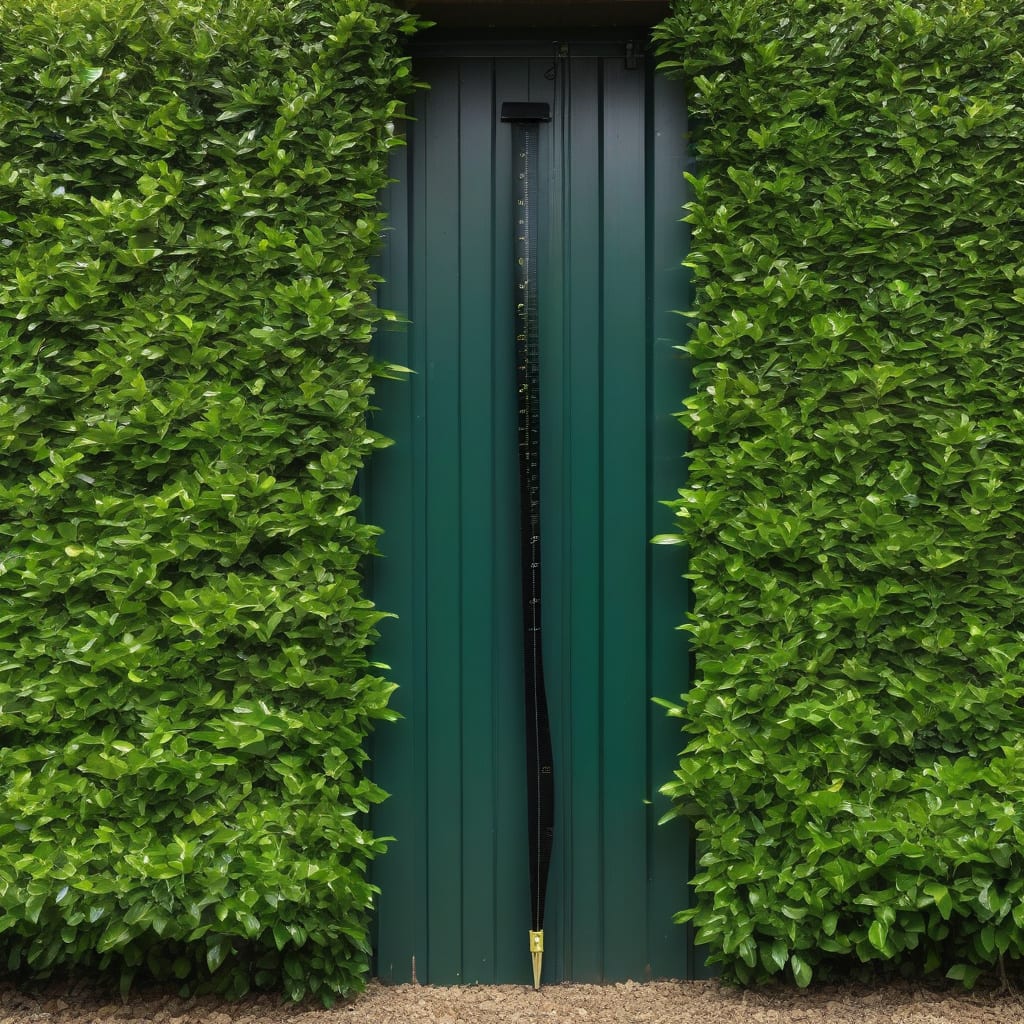
English laurel 🌿 is a popular evergreen shrub known for its rapid growth and versatility in landscaping. But have you ever wondered just how tall it can grow?
Understanding its ultimate height is crucial for proper garden planning. I’ll guide you through the factors that influence its growth and share practical tips on maintaining the perfect height for your landscape.

English laurel’s growth height is influenced by several key factors that every gardener should understand. The soil conditions play a crucial role in determining how tall your English laurel will grow 🌿.
Well-draining soil is essential for healthy root development, which in turn affects the overall height of the plant. Poor soil conditions can limit growth, while fertile soil can promote more vigorous development.
The sunlight exposure your English laurel receives is another critical factor. While it can tolerate partial shade, it thrives in full sun to partial sun conditions. More sunlight generally leads to more vigorous growth, but be cautious of extreme exposure that might cause leaf scuse.
Pruning practices significantly influence the height of English laurel. Regular pruning not only controls the height but also promotes dense growth and maintains the desired shape. Proper pruning techniques can keep your English laurel at the ideal height for your landscape.
Different cultivar variations of English laurel also affect its growth height. Some cultivars are naturally more compact, while others can grow much taller. Understanding the specific characteristics of your English laurel cultivar is essential for predicting and managing its ultimate height.
By considering these factors—soil conditions, sunlight exposure, pruning practices, and cultivar variations—you can better manage the growth height of your English laurel and ensure it thrives in your garden.
English laurel is a versatile plant that can be used in various landscaping applications, from hedges and screens to specimen plants. Its ability to tolerate pruning makes it an excellent choice for formal hedges or topiaries 🌿.
When planting English laurel, it’s essential to consider its mature size and growth rate. With proper care and maintenance, English laurel can provide year-round structure and beauty to your garden.
Regular maintenance, including fertilization and watering, will support healthy growth and help your English laurel reach its full potential height.
Pruning is a crucial maintenance task for English laurel, allowing you to control its height and maintain the desired shape 🌿.
Regular pruning not only keeps your English laurel at the ideal height but also promotes dense, healthy growth. I’ll share practical pruning techniques to help you manage your English laurel effectively.
Evaluate the overall shape and height of your English laurel. Identify areas that need pruning to maintain the desired size and shape.
Start by removing any dead or damaged branches. Then, selectively prune branches to achieve the desired height and shape. Make clean cuts just above a bud or lateral branch.
Regular maintenance pruning is key to keeping your English laurel at the desired height. Prune at least once a year, and more frequently if needed, to maintain shape and promote healthy growth 🌱.
By following these pruning techniques, you can effectively manage the height of your English laurel and ensure it remains a beautiful and functional part of your landscape.
Proper pruning also encourages new growth and helps maintain the plant’s natural density. This makes English laurel an excellent choice for hedges, screens, and topiaries.
For best results, prune your English laurel during the dormant season or in early spring before new growth begins. This timing helps minimize stress on the plant and promotes vigorous regrowth 🌿.
Remember, the key to successful pruning is to make clean, precise cuts and to prune regularly. This will keep your English laurel healthy and looking its best.
When considering English laurel for your garden, it’s helpful to compare its growth rate to other popular hedging options. English laurel is known for its rapid growth, making it an excellent choice for quickly establishing privacy screens or hedges 🌿.
To put its growth rate into perspective, let’s examine how English laurel compares to other common hedging plants. The following comparison table highlights key differences in growth rates and mature heights among popular hedge options.
As shown in the comparison table, English laurel’s growth rate is significantly faster than many other hedging options. Its ability to grow 2-3 feet per year makes it an ideal choice for gardeners looking to establish a privacy screen or hedge quickly.
While English laurel grows rapidly, it’s essential to consider its mature height when planning your garden. With a mature height of 15-30 feet, it can become quite tall if not regularly pruned. Proper maintenance is key to keeping it at the desired height 🌿.
Other hedging options, like boxwood, may have slower growth rates but offer different benefits, such as more compact growth habits or finer foliage. Ultimately, the choice of hedge plant depends on your specific needs and preferences.
