
Beautiful Plants For Your Interior
Beautiful Plants For Your Interior
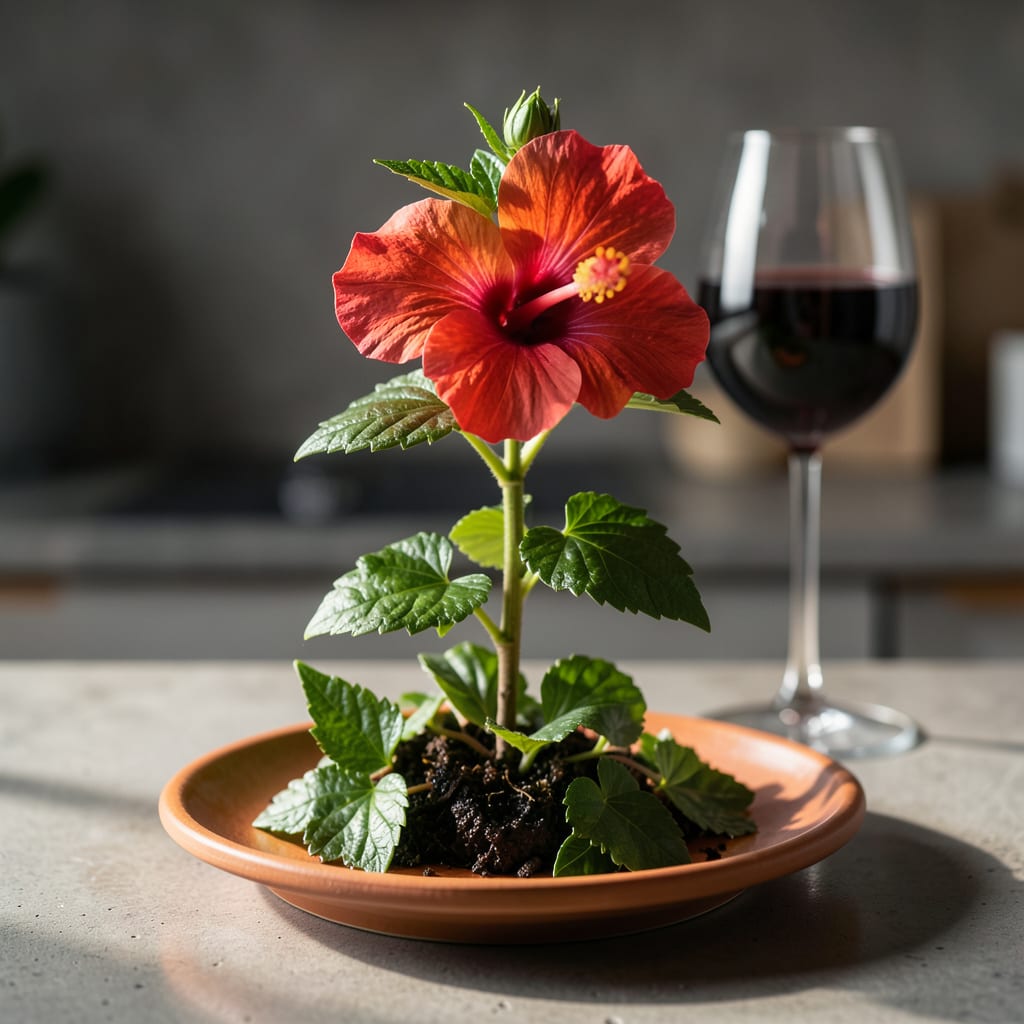
When I first started growing Hibiscus 🌺, I wondered how tall they could really grow. The answer surprised me – some varieties can reach heights of up to 15 feet! Understanding their growth potential is crucial for proper placement and care.
In USDA Zone 6, Hibiscus plants typically thrive during the summer months. With proper care, these beautiful plants can add a tropical touch to any garden. Let’s explore the factors that affect their height and how to manage their growth effectively.

2 ft

4 ft

6 ft

8-12 ft
When growing hibiscus, understanding the factors that influence their height is crucial for proper garden planning. The height of hibiscus plants can vary significantly based on several key factors.
I have found that the variety of hibiscus is a primary determinant of its potential height. Different types of hibiscus have distinct growth habits that affect their mature size.
The specific variety of hibiscus plays a significant role in determining its height. For instance, tropical hibiscus varieties tend to grow taller than hardy hibiscus varieties. Climate is another critical factor, as hibiscus plants grown in warmer climates with longer growing seasons typically achieve greater heights.
Soil quality also significantly impacts hibiscus height. Plants grown in nutrient-rich soil with proper drainage tend to grow more vigorously. Care practices, such as regular pruning and fertilization, can also influence the final height of the plant.
In my experience, understanding these factors helps gardeners make informed decisions about where to plant their hibiscus and how to care their plants effectively. By considering these elements, you can better anticipate and manage the height of your hibiscus plants.
For example, in USDA Zone 6, where the frost-free days are around 180, hibiscus plants typically thrive during the summer months. Proper care during this period can significantly impact their overall height and health.
Let’s dive deeper into the specifics of how different factors affect hibiscus growth. The variety of hibiscus is perhaps the most significant factor, as different types have been bred for various characteristics, including height.
Tropical hibiscus (Hibiscus rosa-sinensis) can grow quite tall, often reaching heights of 8 to 15 feet in ideal conditions. In contrast, hardy hibiscus (Hibiscus moscheutos) varieties tend to be more compact, typically growing between 3 to 7 feet tall.
Climate conditions, such as temperature and humidity, also play a crucial role. Hibiscus plants thrive in warm, humid environments, and their growth is often limited by cooler temperatures. In regions with long growing seasons, hibiscus plants have more time to grow and can reach their full height potential.
Soil quality is another essential factor. Hibiscus plants prefer well-draining, nutrient-rich soil. Soil that is too dense or lacking in nutrients can limit the plant’s growth. Regular fertilization can help ensure that the soil provides the necessary nutrients for optimal growth.
Finally, care practices such as pruning and training can significantly impact the height of hibiscus plants. Pruning can help control the plant’s size and shape, while training techniques like staking can encourage the plant to grow in a particular direction.
By understanding and managing these factors, gardeners can effectively control the height of their hibiscus plants and ensure they thrive in their garden or landscape.
In summary, the height of hibiscus plants is influenced by a combination of variety, climate, soil quality, and care practices. By considering these factors, gardeners can better manage their hibiscus plants and achieve the desired height and growth.
When considering how tall hibiscus plants can grow, it’s essential to understand that different varieties have distinct growth potentials. The height of hibiscus plants can vary significantly based on their type.
I have found that tropical hibiscus (Hibiscus rosa-sinensis) can grow quite tall, often reaching heights of 8 to 15 feet in ideal conditions. In contrast, hardy hibiscus (Hibiscus moscheutos) varieties tend to be more compact, typically growing between 3 to 7 feet tall.
The maximum height of hibiscus plants is also influenced by factors such as climate, soil quality, and care practices. In warmer climates with longer growing seasons, hibiscus plants tend to grow taller.
Soil quality plays a crucial role in determining the height of hibiscus plants. Nutrient-rich soil with proper drainage supports vigorous growth, while poor soil conditions can limit the plant’s height.
Care practices, including regular pruning and fertilization, can also impact the final height of hibiscus plants. Pruning helps control the plant’s size and shape, while fertilization provides essential nutrients for growth.
In my experience, understanding the growth potential of different hibiscus varieties helps gardeners make informed decisions about plant placement and care. By considering these factors, you can better manage the height of your hibiscus plants and achieve the desired growth.
For example, in USDA Zone 6, hibiscus plants typically thrive during the summer months. Proper care during this period can significantly impact their overall height and health.
By understanding the maximum heights of different hibiscus types and the factors that influence their growth, gardeners can effectively manage their plants and enjoy their beautiful blooms.
Managing the height of hibiscus plants is crucial for maintaining their aesthetic appeal and overall health. I have found that with the right techniques, you can effectively control the height of your hibiscus plants and encourage bushy growth.
Regular pruning helps control height and promotes healthier growth. Prune in early spring to remove dead branches and shape the plant.
One effective method for managing hibiscus height is through regular pruning. Pruning not only helps control the plant’s size but also encourages healthier growth by removing dead or damaged branches. I recommend pruning your hibiscus plants in early spring, before new growth begins.
Container growing is another strategy for managing hibiscus height. Growing hibiscus in containers allows you to control the soil quality and limit root growth, which can help keep the plant more compact.
In addition to pruning and container growing, you can also use training techniques to influence the height of your hibiscus plants. For example, staking can encourage the plant to grow upright, while pinching back the tips can promote branching and bushier growth.
By combining these techniques, you can effectively manage the height of your hibiscus plants and maintain their beauty in your garden or landscape. 🌺
