
Beautiful Plants For Your Interior
Beautiful Plants For Your Interior
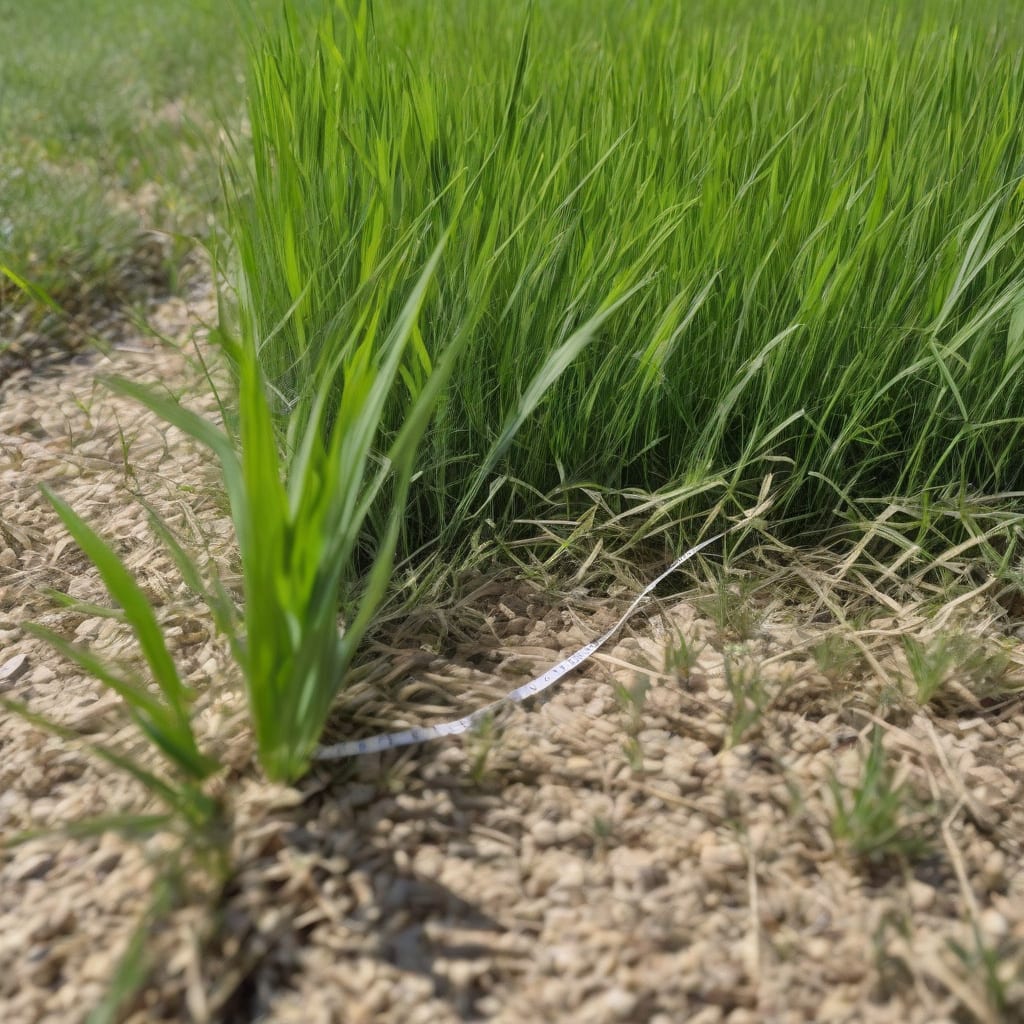
I’ve always been fascinated by how quickly Oat Grass 🌾 can grow. Whether you’re cultivating it indoors or outdoors in USDA Zone 6, understanding its growth potential is key to providing the right care.
Oat Grass typically reaches heights between 2-4 feet, making it a great choice for various gardening needs. Let’s explore what affects its growth and how to maintain it at its best.


I’ve found that several key factors influence the height of oat grass, including soil quality, sunlight exposure, watering practices, and temperature conditions. Understanding these elements is crucial for optimizing oat grass growth 🌾.
The quality of the soil plays a significant role in determining oat grass height. Well-draining soil with adequate nutrients supports healthy root development, which in turn promotes taller growth. Oat grass thrives in soil with a pH between 6.0 and 7.0, making it essential to test and adjust soil conditions accordingly.
Sunlight exposure is another critical factor. Oat grass requires full sun to grow tall and healthy. Ensuring it receives at least 6 hours of direct sunlight daily is vital for maximizing its height potential.
Proper watering is also essential. Oat grass prefers consistent moisture, especially during its early growth stages. However, it’s equally important to avoid waterlogging, which can lead to root rot and stunted growth.
Temperature conditions significantly impact oat grass height as well. As a cool-season grass, oat grass thrives in temperatures between 60°F and 75°F (15°C to 24°C). Temperatures outside this range can slow down growth and affect overall height.
In addition to these factors, fertilization practices can also influence oat grass height. Using a balanced fertilizer during the growing season can provide necessary nutrients for optimal growth.
It’s also worth noting that oat grass grown indoors may have different height expectations compared to outdoor cultivation. Indoor conditions often require more controlled environments, which can affect overall plant height 🌿.
By understanding and managing these factors, you can create optimal conditions for your oat grass to reach its maximum height potential.
Regular monitoring of these growth factors will help you make informed decisions about your oat grass care routine, ensuring it remains healthy and vigorous.
For those new to growing oat grass, starting with high-quality seeds and following proper sowing instructions can make a significant difference in achieving desired heights.
As you continue to grow oat grass, you’ll likely observe how different conditions affect its height, allowing you to refine your cultivation techniques over time 🌱.
Maintaining a consistent care routine is key to supporting continuous healthy growth and maximizing oat grass height.
Oat grass typically grows to be between 2-4 feet tall, with some varieties reaching heights of up to 5 feet under optimal conditions 🌾.
The maximum height of oat grass can vary significantly based on the specific variety being cultivated. Some compact varieties are bred for indoor growing and may only reach 1-2 feet, while outdoor varieties can grow much taller 🌿.
Most oat grass varieties grow between 2-4 feet tall, making them suitable for various gardening applications.
Soil quality, sunlight, watering, and temperature all play crucial roles in determining the maximum height of oat grass 🌟.
Oat grass grown indoors may reach 1-2 feet in height, while outdoor plants can grow much taller, often between 3-4 feet 🌿.
When growing oat grass, it’s essential to consider the specific variety and growing conditions to determine the expected maximum height 🌾.
By understanding the factors that influence oat grass height, you can better manage your cultivation practices to achieve the desired height 🌟.
Regular monitoring and adjustments to your care routine can help ensure your oat grass reaches its full height potential 🌱.
For optimal results, it’s recommended to research the specific variety of oat grass you’re growing to understand its unique growth characteristics 📚.
Maintaining optimal growing conditions, including proper soil quality, adequate sunlight, and appropriate watering, will support healthy growth and maximize height 🌞.
To maintain healthy oat grass at its optimal height, I’ve found that regular maintenance is crucial. Proper care techniques can significantly impact the overall health and productivity of your oat grass 🌾.
Regular pruning helps maintain oat grass height and encourages new growth. Trim the grass to about 2-3 inches above the soil surface 🌱.
One effective method for managing oat grass height is through regular pruning. By trimming the grass to a uniform height, you can encourage even growth and prevent the plants from becoming too leggy 🌿.
Harvesting is another critical aspect of managing oat grass height. For oat grass grown for its seeds, harvesting typically occurs when the seed heads have turned golden yellow and the seeds are easily shaken loose 🌼.
Maintaining optimal growing conditions is also essential for managing oat grass height. This includes ensuring adequate sunlight, proper watering, and balanced fertilization during the growing season 🌞.
By implementing these strategies, you can effectively manage the height of your oat grass and promote healthy, vigorous growth 🌱.
