
Beautiful Plants For Your Interior
Beautiful Plants For Your Interior
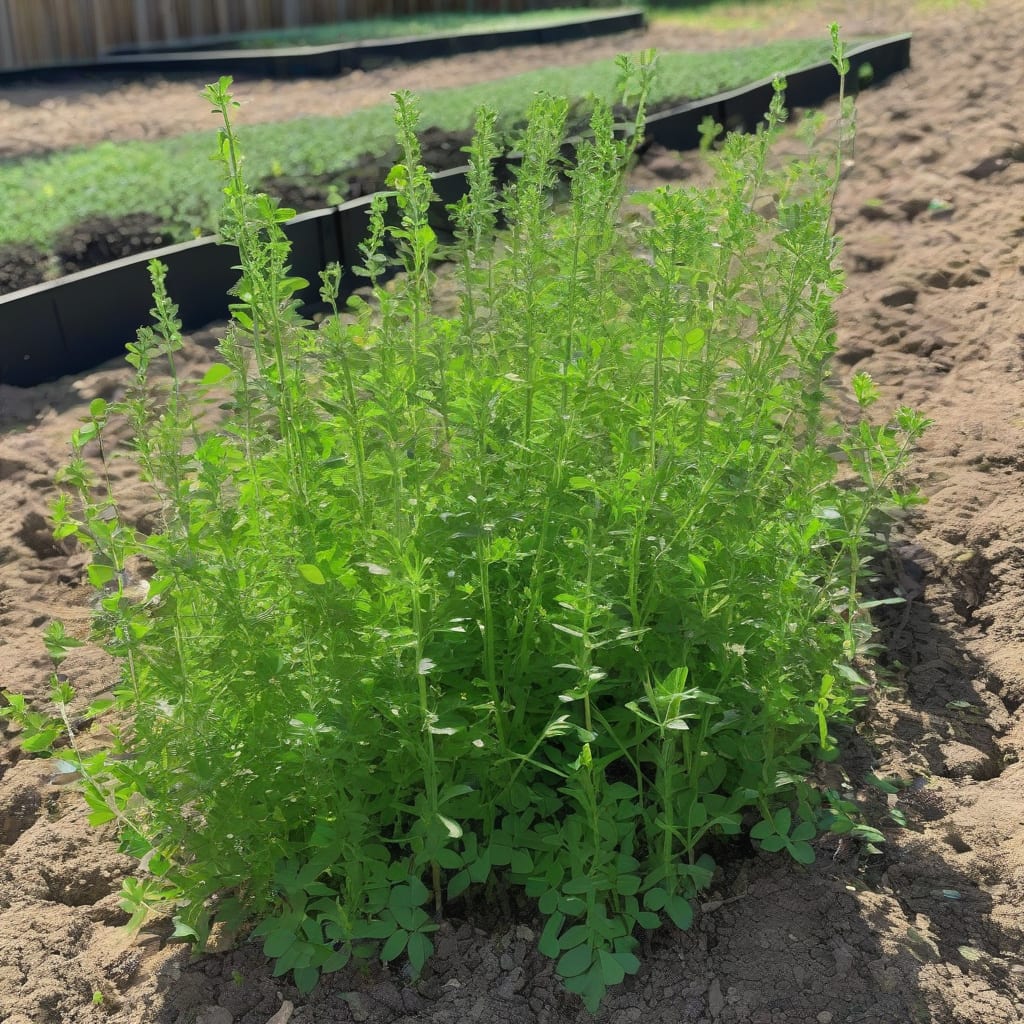
As I explore the world of 🌱 Alfalfa cultivation in USDA Zone 6, I’m often asked about its growth potential. Understanding how tall Alfalfa can grow is crucial for maximizing yield and planning your garden effectively.
Alfalfa typically reaches heights of 2-3 feet, making it a substantial crop that requires careful management. Let’s dive into the factors that influence its growth and how you can optimize conditions for a bountiful harvest.

Understanding the factors that influence alfalfa height growth is crucial for optimizing crop yield. Several key elements play a significant role in determining how tall alfalfa can grow 🌱.
The primary factors affecting alfalfa height include soil quality, climate conditions, variety selection, and management practices. Each of these elements can significantly impact the overall height and health of the alfalfa crop.
The quality of the soil is fundamental to alfalfa’s growth. Well-draining soil with a pH between 6.5 and 7.5 is ideal as it promotes healthy root development, which is essential for the plant to reach its maximum height.
Climate conditions also play a crucial role. Alfalfa requires adequate moisture, particularly during its early growth stages, and moderate temperatures to thrive. Extreme weather conditions can hinder its growth.
Variety selection is another critical factor. Choosing an alfalfa variety that is well-suited to your local climate and soil type can significantly impact its height and overall yield.
Management practices, including irrigation, fertilization, and pest management, are vital for achieving optimal alfalfa height. Proper management ensures that the crop receives the necessary nutrients and remains healthy throughout its growth cycle 🌿.
By understanding and controlling these factors, farmers and gardeners can create optimal conditions for alfalfa to reach its full height potential, thereby maximizing their yield.
Regular monitoring and adjustment of these factors are necessary to maintain optimal growing conditions and achieve the best possible results.
Effective management practices not only promote healthy growth but also help in preventing issues that could limit the crop’s height.
For instance, maintaining proper soil fertility through regular testing and fertilization can significantly enhance alfalfa’s growth.
By focusing on these key areas, it’s possible to optimize alfalfa height and improve overall crop productivity.
Understanding the typical height ranges and growth stages of alfalfa is essential for optimizing its cultivation. Alfalfa’s growth can be divided into several key stages, each with characteristic height ranges 🌿.
The growth stages of alfalfa include germination, vegetative growth, flowering, and harvest readiness. Each stage is crucial for the overall development of the crop.
During germination, alfalfa seeds sprout and develop their first set of leaves. This stage typically lasts 7-10 days and the seedlings are usually 1-2 inches tall.
In the vegetative stage, alfalfa plants focus on developing their leaf structure and root system. The height during this stage can range from 6-18 inches, typically taking 3-4 weeks to reach this height.
Alfalfa plants begin to flower during this stage, typically reaching heights of 24-36 inches. The flowering stage is a critical indicator of when to harvest for optimal quality.
By the time alfalfa reaches harvest readiness, it typically stands between 2-3 feet tall. Harvesting at this stage ensures the best balance between yield and quality 🌱.
Monitoring these growth stages and understanding the typical height ranges can help farmers and gardeners make informed decisions about irrigation, fertilization, and pest management.
By recognizing the characteristics of each growth stage, cultivators can optimize their alfalfa crop management practices to achieve the best possible yield and quality.
Effective management during these stages is crucial for maximizing the height and overall health of the alfalfa crop.
For instance, maintaining proper soil moisture and nutrient levels during the vegetative and flowering stages can significantly impact the crop’s final height and yield.
By focusing on these key growth stages and their associated height ranges, farmers can better plan their harvesting schedule and optimize their crop management strategies.
To maximize alfalfa height and achieve better yields, it’s essential to implement best practices in irrigation, fertilization, and pest management 🌱.
Proper irrigation is critical for alfalfa growth. The crop requires consistent moisture, especially during dry spells. I recommend watering deeply but infrequently to encourage deep root growth, which helps plants reach their maximum height potential.
For optimal alfalfa height, maintain consistent soil moisture and monitor for pests regularly. Adjust your irrigation schedule based on weather conditions to prevent overwatering or underwatering.
Fertilization plays a vital role in promoting healthy alfalfa growth. I suggest conducting regular soil tests to determine nutrient deficiencies and applying a balanced fertilizer as needed. This ensures that the crop receives the necessary nutrients to reach its full height potential.
Pest management is another crucial aspect of maximizing alfalfa height. Regular monitoring for pests and diseases helps prevent damage that could stunt the crop’s growth. Implementing integrated pest management strategies can help maintain a healthy and vigorous stand 🌼.
By focusing on these key areas, farmers and gardeners can create optimal conditions for alfalfa to grow tall and healthy, ultimately leading to better yields and more productive crops.
