
Beautiful Plants For Your Interior
Beautiful Plants For Your Interior
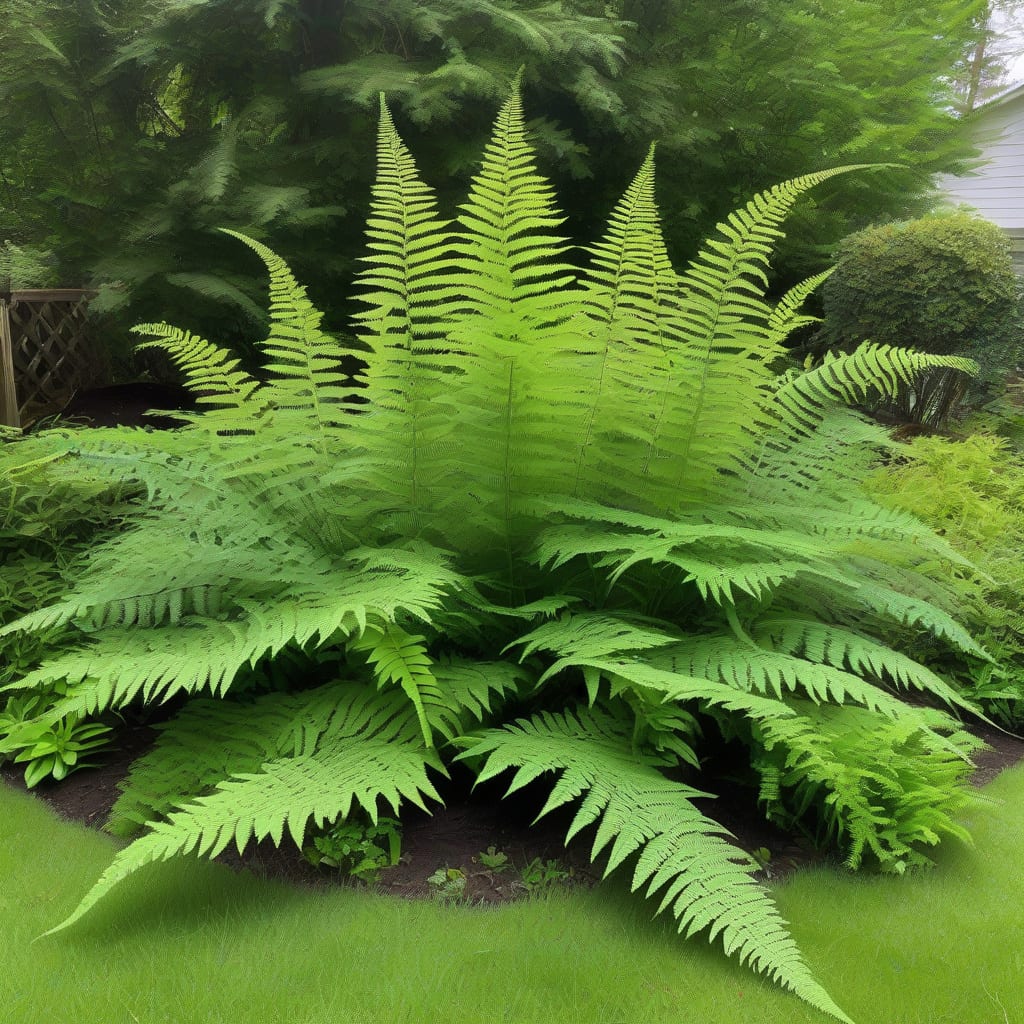
Ferns 🌿 add lush greenery to any garden, but understanding their growth potential is key to choosing the right varieties for your space. They can grow between 2-6 feet tall, depending on the species and growing conditions.
In USDA Zone 6, ferns typically thrive during the spring season, making it an ideal time to plant. Let’s explore how to make the most of these beautiful plants in your garden.


Ferns are fascinating plants that can add a touch of lush greenery to any garden. However, their growth height can vary significantly based on several factors. Understanding these factors is crucial for gardeners who want to optimize the growth of their ferns 🌿.
The height of ferns is influenced by a combination of environmental conditions, species variations, and care practices. Let’s explore these factors in more detail to understand how they impact the growth height of ferns.
By understanding the theBy understanding these factors, учinincluding the specific needs of different fern species, gardeners can create optimal growing conditions that allow their ferns to thrive and reach their full height potential 🌱.
The light exposure that ferns receive is a critical factor in their growth. Most ferns prefer shaded conditions, but the degree of shade can vary depending on the species. Some ferns can tolerate more light than others, so it’s essential to know the specific light requirements of the ferns in your garden.
Soil quality is another crucial factor that affects fern growth. Ferns thrive in soil that is rich in organic matter and has good drainage. Poor soil quality can limit the growth of ferns, so amending the soil with compost or other organic matter can help promote healthy growth.
Watering is also vital for ferns. They require consistent moisture, especially during the growing season. However, overwatering can be detrimental, leading to root rot and other problems. Finding the right balance is key to promoting healthy growth and maximizing the height of your ferns.
The species of fern is another important consideration. Different species have different growth habits and potential heights. For example, the Boston fern can grow quite tall, while the maidenhair fern tends to be more delicate and less tall.
Understanding these factors and how they interact is crucial for gardeners who want to maximize the growth potential of their ferns. By providing the right conditions and care, gardeners can help their ferns reach their full height potential and enjoy their lush, green foliage 🌿.
In summary, the height of ferns is influenced by a combination of environmental conditions, species variations, and care practices. By understanding and managing these factors, gardeners can promote healthy growth and maximize the height of their ferns.
For more information on caring for ferns and maximizing their growth, consider exploring additional resources that provide tips on soil preparation, watering schedules, and species-specific care instructions.
Ferns are a diverse group of plants, and their height can vary significantly depending on the species. Understanding the maximum height of different fern species is essential for gardeners who want to choose the right plants for their garden 🌿.
Some popular fern species have distinct height ranges that gardeners should be aware of. Let’s explore the maximum heights of some common garden ferns to help you plan your garden effectively.
The Boston fern is known for its impressive height, reaching up to 6 feet in ideal conditions. Its arching, graceful fronds make it a popular choice for hanging baskets and containers 🌟.
In contrast, the maidenhair fern is much smaller, typically growing between 1-2 feet tall. Its delicate, lacy fronds add a touch of elegance to shaded garden areas 🌱.
The ostrich fern is another tall-growing species, capable of reaching heights of up to 6 feet. It forms tall, vase-shaped clumps that can create a dramatic effect in the garden 🌿.
Understanding the maximum height of different fern species is crucial for garden planning. By choosing the right ferns for your space, you can create a lush, vibrant garden that thrives for years to come.
Gardeners should also consider the growth habit of ferns when selecting species for their garden. Some ferns have a more compact growth habit, while others can spread out quite a bit.
By combining knowledge of fern height with other growing conditions, gardeners can create optimal environments for their ferns to flourish.
Managing fern height is crucial for maintaining a balanced and visually appealing garden. Ferns can grow quite tall if not properly managed, so understanding how to control their height is essential for gardeners 🌱.
Regular pruning helps control fern height and encourages healthy growth. Remove dead or damaged fronds to maintain appearance and promote new growth.
One effective way to manage fern height is through regular pruning. By removing dead or damaged fronds, you can maintain the appearance of your ferns and encourage healthy growth. Pruning also helps control the overall height of the plant, preventing it from becoming too leggy or unruly 🔥.
Division is another technique that can help manage fern height. By dividing your ferns every few years, you can prevent them from becoming too dense and overgrown. This process also gives you the opportunity to propagate new plants and share them with friends or expand your garden 🌿.
Proper growing conditions play a significant role in managing fern height. Ensuring that your ferns receive the right amount of light, water, and nutrients can help them grow at a healthy rate. Avoiding extreme conditions, such as direct sunlight or drought, can also help prevent excessive growth or stress on the plant.
In summary, managing fern height involves a combination of regular pruning, division, and providing optimal growing conditions. By following these tips, gardeners can keep their ferns healthy and under control.
