
Beautiful Plants For Your Interior
Beautiful Plants For Your Interior
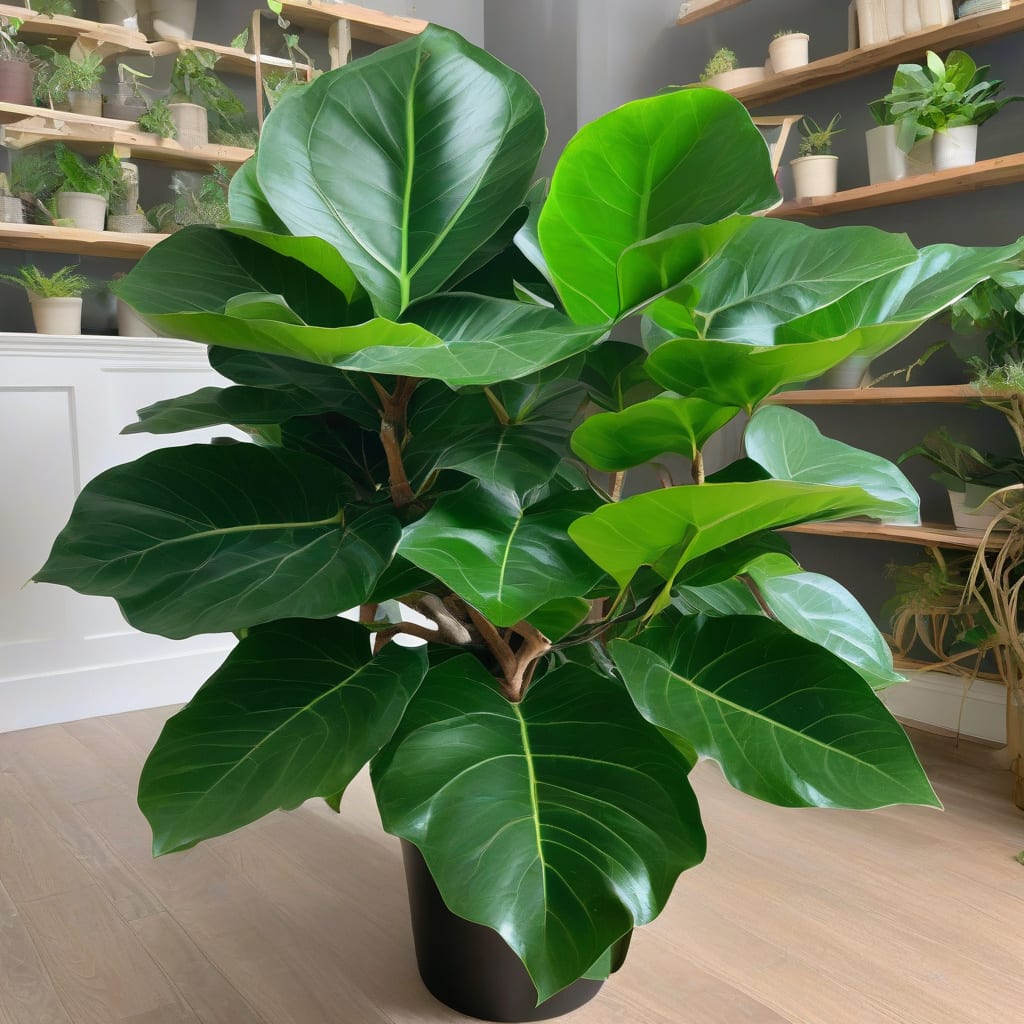
I’ve always been fascinated by the versatility of the Ficus Tree 🌳, and one question that often comes up is about its growth potential. How tall can these trees actually grow, and what factors influence their height?
Understanding the growth habits of Ficus Trees is crucial for both indoor and outdoor gardening, especially in USDA Zone 6 where they can thrive with proper care. Let’s explore the maximum height potential of these remarkable trees and what you can expect.


I’ve found that understanding the factors that influence Ficus Tree height is crucial for gardeners and indoor plant enthusiasts. The maximum height of these trees can vary significantly based on several key factors.
The species of Ficus is one of the primary determinants of its potential height. Different species have vastly different growth habits and maximum heights. For example, some species like Ficus benjamina can grow much taller than others like Ficus retusa.
The environmental conditions surrounding your Ficus Tree play a significant role in its height growth. Factors such as light exposure, temperature, and humidity can all impact how tall your tree will grow. 🌳
Light conditions are particularly important. Ficus Trees generally thrive in bright, indirect light, which supports their growth. Insufficient light can lead to leggy growth or stunted development.
Watering practices are another critical factor. Consistent moisture, without overwatering, helps Ficus Trees achieve their maximum height potential. It’s essential to maintain a balance in watering to avoid root rot or drought stress.
Nutrient availability also affects Ficus Tree height. Using a balanced fertilizer during the growing season can provide the necessary nutrients for optimal growth. Regular fertilization can make a significant difference in the tree’s ability to reach its maximum height.
Pruning techniques are vital for managing the height of Ficus Trees. Regular pruning not only helps control the tree’s size but can also encourage healthier, bushier growth. Pruning during the dormant season is often recommended to minimize stress on the tree.
By understanding and managing these factors, you can help your Ficus Tree achieve its maximum height potential. Whether you’re growing a Ficus Tree indoors or outdoors, being mindful of these elements will contribute to a healthier, more vibrant plant.
In summary, the height of a Ficus Tree is influenced by a combination of its species, the environment it’s grown in, and the care it receives. By optimizing these factors, you can encourage your Ficus Tree to grow tall and strong.
For more specific guidance on caring for your Ficus Tree, including tips on pruning and fertilization, continue reading the next section.
I have found that different species of Ficus trees exhibit varying growth patterns and maximum heights. Understanding these differences is essential for gardeners and indoor plant enthusiasts to make informed decisions about their plant care.
The Ficus benjamina, also known as the Weeping Fig, is a popular choice for both indoor and outdoor landscaping. It can grow quite tall, reaching heights of up to 30 feet in ideal conditions. However, its typical height ranges from 10 to 15 feet when grown indoors.
Ficus lyrata, or the Fiddle Leaf Fig, is another well-known species. While it typically grows between 6 to 10 feet tall, it can reach maximum heights of up to 15 feet with proper care and conditions.
Ficus retusa, commonly referred to as the Banyan Fig, is often used in bonsai cultivation due to its adaptable nature. It usually grows between 8 to 12 feet tall but can reach heights of up to 20 feet when not pruned or trained.
Understanding the growth potential of these species helps in planning their placement and care. Whether you’re looking for a statement piece or a more compact addition to your space, knowing the maximum height of your Ficus Tree is crucial.
For more information on managing the height of your Ficus Tree through pruning and care, continue reading the next section.
I’ve found that managing the height of a Ficus Tree is crucial for maintaining its desired shape and promoting healthy growth. Pruning is one of the most effective ways to control the height of your Ficus Tree.
Evaluate the overall shape and height of your Ficus Tree to determine the necessary pruning.
Regular pruning helps maintain the desired height and encourages bushier growth 🌱.
Use clean, sharp pruning tools to make precise cuts, and avoid removing more than 25% of the foliage at once.
In addition to pruning, proper care practices play a significant role in managing Ficus Tree height. Ensuring your tree receives adequate light, appropriate watering, and balanced fertilization will support its overall health and growth.
Light exposure is particularly important. Ficus Trees thrive in bright, indirect light, which promotes healthy growth without causing stress to the plant.
Watering practices should be consistent. Maintaining consistent moisture levels without overwatering is key to supporting optimal growth and preventing issues like root rot.
By combining effective pruning techniques with proper care practices, you can successfully manage the height of your Ficus Tree and enjoy a healthy, vibrant plant 🌿.
