
Beautiful Plants For Your Interior
Beautiful Plants For Your Interior
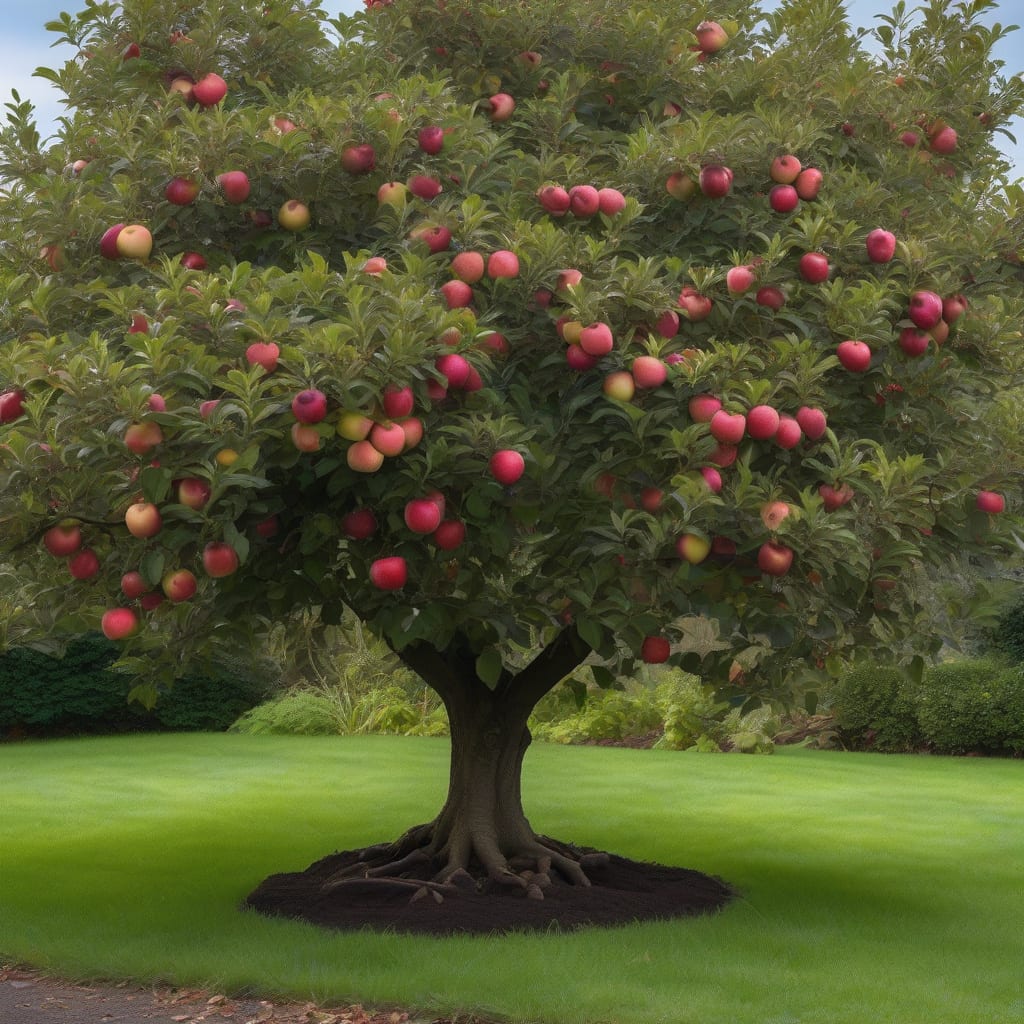
When planting an Apple Tree 🍎, understanding its potential height is crucial for effective garden planning. The height of an Apple Tree can vary significantly based on factors like rootstock and pruning practices.
In USDA Zone 6, Apple Trees can grow anywhere from 8 to 25 feet tall, depending on whether you choose a dwarf, semi-dwarf, or standard variety. Let’s explore what influences their growth and how to manage their height.


When considering how tall an Apple Tree can grow, several factors come into play. The height of an Apple Tree is influenced by its rootstock, variety, and environmental conditions. Understanding these factors is crucial for effective garden planning and tree management 🍎.
The rootstock is one of the primary factors that determine the height of an Apple Tree. Different rootstocks can result in varying tree sizes, ranging from dwarf to standard sizes. The variety of the Apple Tree also plays a significant role in its growth potential.
The climate and soil conditions where the Apple Tree is planted also significantly affect its height. Apple Trees in USDA Zone 6 have specific needs that must be met for optimal growth. Pruning practices are another critical factor, as they can be used to control and maintain the desired height of the tree 🌳.
Pruning not only helps in managing the height but also promotes healthier growth and better fruit production. By understanding and manipulating these factors, gardeners can influence the height of their Apple Trees to suit their needs.
The height range of Apple Trees varies widely. Dwarf varieties typically grow between 8 to 12 feet, while semi-dwarf trees reach 12 to 18 feet. Standard Apple Trees can grow much taller, reaching heights of 20 to 25 feet or more 🌲.
When planning an orchard or a home garden, considering the mature height of the Apple Tree is essential. This helps in arranging the trees in a way that maximizes space and ensures proper sunlight penetration for all trees.
Soil quality and nutrient availability are also crucial. Apple Trees prefer well-drained soil with a good mix of nutrients. Regular fertilization can support healthy growth and help the tree reach its full potential.
In conclusion, the height of an Apple Tree is influenced by a combination of genetic and environmental factors. By understanding these factors and applying appropriate horticultural practices, gardeners can manage the height of their Apple Trees effectively 🌼.
Effective management of Apple Tree height not only enhances the aesthetic appeal of the garden but also improves fruit production and overall tree health.
When it comes to managing the height of an Apple Tree, several techniques can be employed to ensure optimal growth and fruit production. Proper pruning practices are essential for maintaining the desired height while promoting overall tree health 🌳.
One effective method is to use pruning techniques that control the tree’s vertical growth. This involves removing apical shoots and shaping the tree to encourage a balanced structure. Regular maintenance pruning helps in achieving the desired height and improving fruit quality.
Evaluate the tree’s current structure and identify branches that need pruning.
Remove the apical shoots to control vertical growth and encourage lateral branching.
Thin out crowded branches to improve air circulation and sunlight penetration.
Training methods also play a crucial role in managing Apple Tree height. Techniques such as espaliering or using a trellis system can help control the tree’s growth and maximize space in smaller gardens 🌿.
By implementing these pruning and training techniques, gardeners can effectively manage the height of their Apple Trees. This not only enhances the tree’s appearance but also improves fruit production and overall tree health.
Regular maintenance is key to ensuring that the Apple Tree remains healthy and productive. This includes monitoring for pests and diseases, providing adequate water and nutrients, and performing regular pruning to maintain the desired height 🌻.
In conclusion, managing the height of an Apple Tree requires a combination of proper pruning practices, training methods, and regular maintenance. By following these guidelines, gardeners can enjoy optimal growth and fruit production from their Apple Trees.
Effective height management also contributes to a more organized and visually appealing garden, making it easier to harvest fruit and perform other gardening tasks.
When selecting an Apple Tree variety, understanding its potential height is crucial for effective garden planning. Different varieties offer different height ranges, making some more suitable for smaller spaces than others 🍎.
Dwarf Apple Tree varieties typically grow between 8 to 12 feet tall. These are ideal for small gardens or container growing. They produce full-sized apples but on a smaller tree 🌳.
Semi-dwarf varieties grow taller, reaching heights of 12 to 18 feet. They offer a balance between size and fruit production, making them suitable for medium-sized gardens 🌲.
Standard Apple Trees can grow much taller, reaching heights of 20 to 25 feet or more. These are best suited for large gardens or orchards where space is not a concern 🌳.
When choosing an Apple Tree variety, consider the available space in your garden and the desired level of maintenance. Dwarf and semi-dwarf varieties are generally easier to manage and harvest due to their smaller size 🌼.
Understanding these height variations helps in planning your garden layout effectively, ensuring that all trees receive adequate sunlight and air circulation 🌱.
