
Beautiful Plants For Your Interior
Beautiful Plants For Your Interior
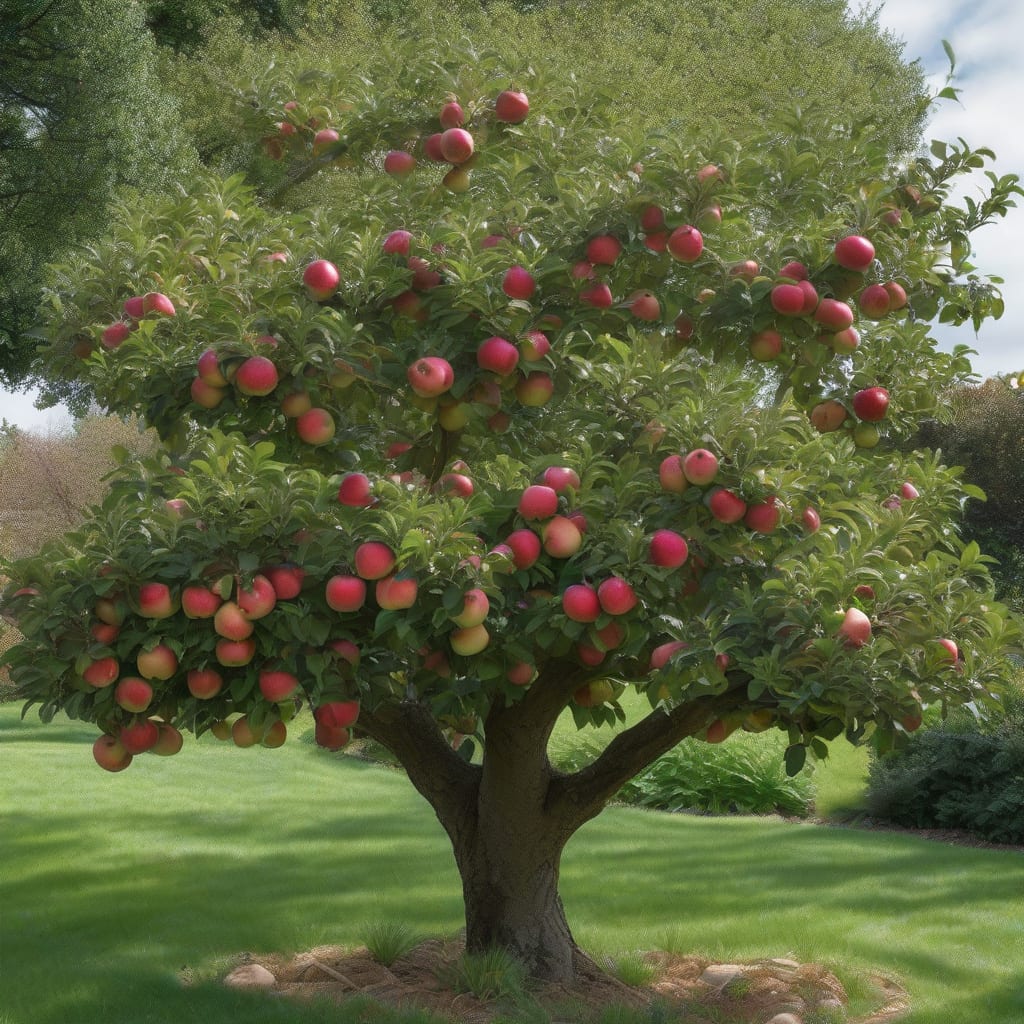
I’ve always been fascinated by how tall Apple Trees 🍎 can grow. Understanding their growth potential is crucial for proper planning and maintenance in your garden or orchard.
The height of an Apple Tree can vary greatly depending on factors like rootstock and growing conditions. Let’s explore what influences their growth and how you can optimize their height.


I’ve always been fascinated by how tall Apple Trees can grow. Understanding their growth potential is crucial for proper planning and maintenance in your garden or orchard.
The height of an Apple Tree can vary greatly depending on factors like rootstock and growing conditions. Let’s explore what influences their growth and how you can optimize their height 🌳.
Understanding these factors is crucial for managing your Apple Trees effectively. The rootstock plays a significant role in determining the mature height of your trees. For instance, dwarf rootstocks typically result in trees that grow between 8-12 feet tall, while standard rootstocks can lead to trees trees trees with heights over 25 feet. 🌳
The variety of Apple Tree also influences its growth pattern. Some varieties are bred for dwarf characteristics, while others are known for their vigorous growth. Soil quality is another critical factor; trees growing in nutrient-rich soil with proper pH levels tend to grow more robustly. Lastly, climate conditions such as adequate sunlight and appropriate temperatures play a vital role in determining how tall your Apple Trees will grow 🌱.
By understanding these factors, you can make informed decisions about which Apple Tree varieties to plant and how to care for them to achieve optimal growth.
The height of Apple Trees is influenced by multiple factors, including the tree’s genetic potential, environmental conditions, and cultural practices. Let’s explore these factors in more detail to understand how they impact the growth of Apple Trees.
Genetic potential refers to the inherent characteristics of the Apple Tree variety, including its natural growth habit and maximum height potential. Different Apple Tree varieties have been bred for various traits, such as dwarfing rootstocks that limit the tree’s size or vigorously growing cultivars that can reach greater heights.
Environmental conditions play a crucial role in determining the actual height achieved by an Apple Tree. Factors such as climate, soil quality, and sunlight exposure can significantly impact growth rates. Apple Trees generally thrive in full sun and well-drained soil with adequate nutrient availability.
Cultural practices, including pruning, fertilization, and training, also influence the height and shape of Apple Trees. Proper pruning techniques can help control the tree’s size and promote a balanced structure, while fertilization provides essential nutrients for healthy growth. Training the tree through methods like espaliering or central leader training can further shape its growth pattern.
By considering these factors and implementing appropriate management strategies, you can optimize the growth and height of your Apple Trees to suit your specific needs and preferences.
Apple Trees can grow to varying heights based on their rootstock and growing conditions. On average, a standard Apple Tree can reach heights of 20-25 feet, while dwarf varieties typically top out at around 8-12 feet. Understanding these growth patterns is essential for planning your orchard or garden layout.
The growth rate of Apple Trees can be influenced by several factors, including soil quality, climate, and pruning practices. Trees grown in optimal conditions with proper care can achieve their maximum height potential more quickly.
To maximize the height of your Apple Trees, focus on providing optimal growing conditions, including full sun, well-drained soil, and regular watering. Additionally, employing proper pruning techniques can help promote upward growth and maintain a healthy tree structure.
By understanding the factors that influence Apple Tree height and implementing appropriate care strategies, you can cultivate thriving trees that reach their full growth potential.
To maximize the height of your Apple Trees, it’s essential to understand the factors that influence their growth. Proper care and maintenance can significantly impact how tall your trees will grow 🌳.
One of the most critical factors is the rootstock on which your Apple Tree is grafted. Dwarf rootstocks typically result in smaller trees, while standard rootstocks can lead to taller trees. Understanding the potential of your tree’s rootstock is the first step in maximizing its height.
Pruning is crucial for maintaining the health and shape of your Apple Tree. Remove dead or diseased branches to promote healthy growth.
Use a balanced fertilizer during the growing season to provide essential nutrients for your Apple Tree’s growth.
Plant your Apple Trees with enough space between them to allow for adequate sunlight and air circulation, promoting healthy growth.
By following these expert tips, you can help your Apple Trees reach their maximum height potential. Regular pruning and fertilization are key practices that support vigorous growth. Ensuring your trees have enough space to grow without competition for resources like sunlight and water is also crucial 🌱.
Pruning techniques play a significant role in shaping the growth of your Apple Trees. By removing dead or diseased branches, you can prevent disease from spreading and encourage the tree to focus its energy on healthy growth. Additionally, thinning out crowded areas allows more sunlight to penetrate, promoting overall tree health.
Fertilization strategies are also vital for maximizing Apple Tree height. Using a balanced fertilizer during the growing season provides the necessary nutrients for optimal growth. It’s essential to follow the recommended application rates to avoid over-fertilizing, which can harm your trees.
Proper spacing between Apple Trees is another factor that influences their growth. Adequate spacing ensures that each tree receives sufficient sunlight and air circulation, reducing the risk of disease and promoting healthy development. When planting multiple trees, consider their mature size and leave enough room for them to grow without becoming too crowded.
Maximizing the height of your Apple Trees requires a combination of proper care, including pruning, fertilization, and spacing. By understanding and implementing these expert gardening tips, you can cultivate thriving Apple Trees that reach their full growth potential 🌼.
Managing the height of Apple Trees is crucial for achieving optimal fruit production. By balancing tree height with fruit-bearing capacity, you can ensure a bountiful harvest while maintaining the overall health of your trees 🌳.
One effective way to manage Apple Tree height is by selecting the appropriate rootstock. Dwarf rootstocks, for example, naturally limit the tree’s size, making them ideal for smaller gardens or orchards. This not only makes harvesting easier but also allows for more efficient use of space.
Regular pruning is essential for maintaining the desired height and promoting fruit production. Focus on removing dead or diseased branches and thinning out crowded areas to allow more sunlight to reach fruit-bearing branches.
Pruning practices play a significant role in managing Apple Tree height. By pruning your trees annually, you can control their size and shape, ensuring they remain productive and healthy. It’s also important to train your trees using techniques like espaliering or central leader training to direct their growth and maximize fruit production.
In addition to pruning and training, fertilization is another critical factor in managing Apple Tree height. Providing your trees with the necessary nutrients during the growing season supports healthy growth and fruit development. Be sure to follow a balanced fertilization plan to avoid over-fertilizing, which can negatively impact fruit production.
By understanding how to manage Apple Tree height effectively, you can enjoy a productive and thriving orchard. Whether you’re growing dwarf or standard varieties, the right combination of rootstock selection, pruning, and fertilization will help you achieve optimal fruit production 🌼.
