
Beautiful Plants For Your Interior
Beautiful Plants For Your Interior
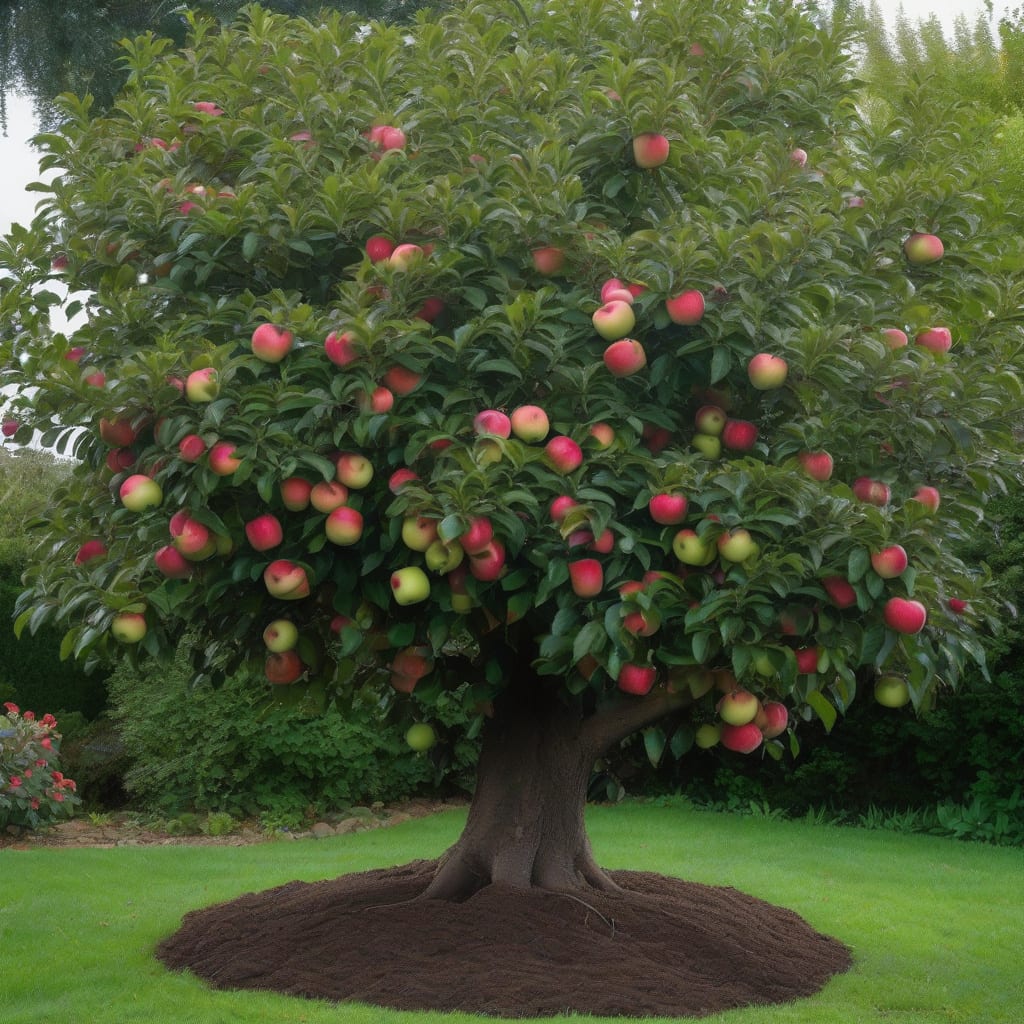
When planting an Apple Tree 🍎, understanding its growth potential is crucial for proper garden planning. The height of these trees can vary significantly based on factors like rootstock and variety.
In USDA Zone 6, Apple Trees can grow anywhere from 8 to 25 feet tall, depending on whether you choose a dwarf, semi-dwarf, or standard variety. Let’s explore what influences their height and how to manage it.

5 ft

10 ft

15 ft

20 ft
Understanding the factors that influence the height of Apple Trees is crucial for garden planning and tree care. The height of these trees can vary significantly based on several key elements.
The primary factors affecting Apple Tree height include the rootstock, variety, climate, and soil conditions. Each of these elements plays a significant role in determining how tall an Apple Tree will grow 🌳.
The rootstock is a critical factor as it determines the overall size and vigor of the tree. Different rootstocks can result in trees ranging from dwarf to standard sizes.
Variety selection is another important consideration. Some Apple Tree varieties are naturally more compact, while others can grow quite tall. Understanding the specific variety’s growth habit is essential for planning.
Climate and soil conditions also play a significant role in the growth of Apple Trees. Climate affects the growth rate, while soil conditions impact nutrient availability and drainage.
By understanding these factors, gardeners can better manage their Apple Trees to achieve optimal growth and fruit production 🌼.
Different rootstocks can significantly influence the final height of Apple Trees. Some rootstocks are designed to produce smaller trees, while others allow for larger growth.
The variety of Apple Tree also plays a crucial role. Certain varieties are bred to be more compact, making them ideal for smaller spaces.
Climate conditions can affect the growth rate of Apple Trees. Areas with favorable climates tend to see healthier and more vigorous growth.
Soil quality is another critical factor. Well-draining soil with adequate nutrients supports healthy tree growth and can impact the final height of the tree.
Understanding these elements helps gardeners make informed decisions when planting and caring for their Apple Trees 🌿.
Proper care and management can help achieve the desired height and ensure a bountiful harvest from your Apple Trees.
By considering the rootstock, variety, climate, and soil conditions, you can optimize the growth of your Apple Trees and enjoy a fruitful garden.
The height of Apple Trees can be managed through careful selection of rootstock and variety, along with proper care and maintenance.
Proper management of Apple Tree height is essential for achieving optimal fruit production. By controlling the tree’s height, you can improve sunlight penetration and air circulation, which are critical for healthy fruit development 🌳.
Pruning is a key technique in managing Apple Tree height. Regular pruning helps maintain the desired tree size and promotes better fruiting. It’s essential to prune during the dormant season to minimize stress on the tree 🌲.
Eliminate any branches that are dead, diseased, or damaged to prevent the spread of disease and encourage healthy growth.
Thin out the center of the tree to allow more sunlight to penetrate and improve air circulation, which helps in reducing disease risk.
Prune the tree to maintain its desired shape and size, ensuring that it remains balanced and aesthetically pleasing.
In addition to pruning, training the Apple Tree is vital. Techniques such as espaliering or using a trellis can help control the tree’s height and promote a more productive growth habit 🌿.
Regular maintenance, including monitoring for pests and diseases, is also crucial. Healthy trees are better equipped to maintain their desired height and produce quality fruit 🌼.
By combining effective pruning techniques with proper training and maintenance, you can manage the height of your Apple Trees and enhance their fruit production capabilities.
Effective management of Apple Tree height not only improves fruit yield but also makes harvesting easier and more efficient. Properly managed trees are more accessible for maintenance and harvesting tasks 🌸.
Understanding the growth habits of your Apple Trees and applying the right management techniques will lead to a more productive and enjoyable gardening experience.
Regular pruning and training are essential practices for maintaining the health and productivity of your Apple Trees. By following these guidelines, you can ensure your trees remain healthy and fruitful.
When selecting Apple Tree varieties, understanding their expected mature height is crucial for proper garden planning. Different varieties offer a range of heights, from compact dwarf trees to taller standard trees 🌳.
Dwarf Apple Trees typically grow between 8 to 12 feet tall, making them ideal for smaller gardens or container planting. They are perfect for gardeners with limited space who still want to enjoy a bountiful harvest 🍎.
Semi-dwarf Apple Trees grow between 12 to 18 feet tall, offering a balance between size and fruit production. They are suitable for gardens with moderate space available 🌼.
Standard Apple Trees are the tallest, growing up to 20 to 25 feet or more. They require significant space and are often used in orchards where space is not a limiting factor 🌳.
Choosing the right Apple Tree variety based on expected mature height ensures that your garden is well-planned and that your trees have the space they need to thrive 🌸.
By understanding the different height ranges of Apple Tree varieties, gardeners can make informed decisions that suit their specific needs and garden conditions 🌱.
