
Beautiful Plants For Your Interior
Beautiful Plants For Your Interior
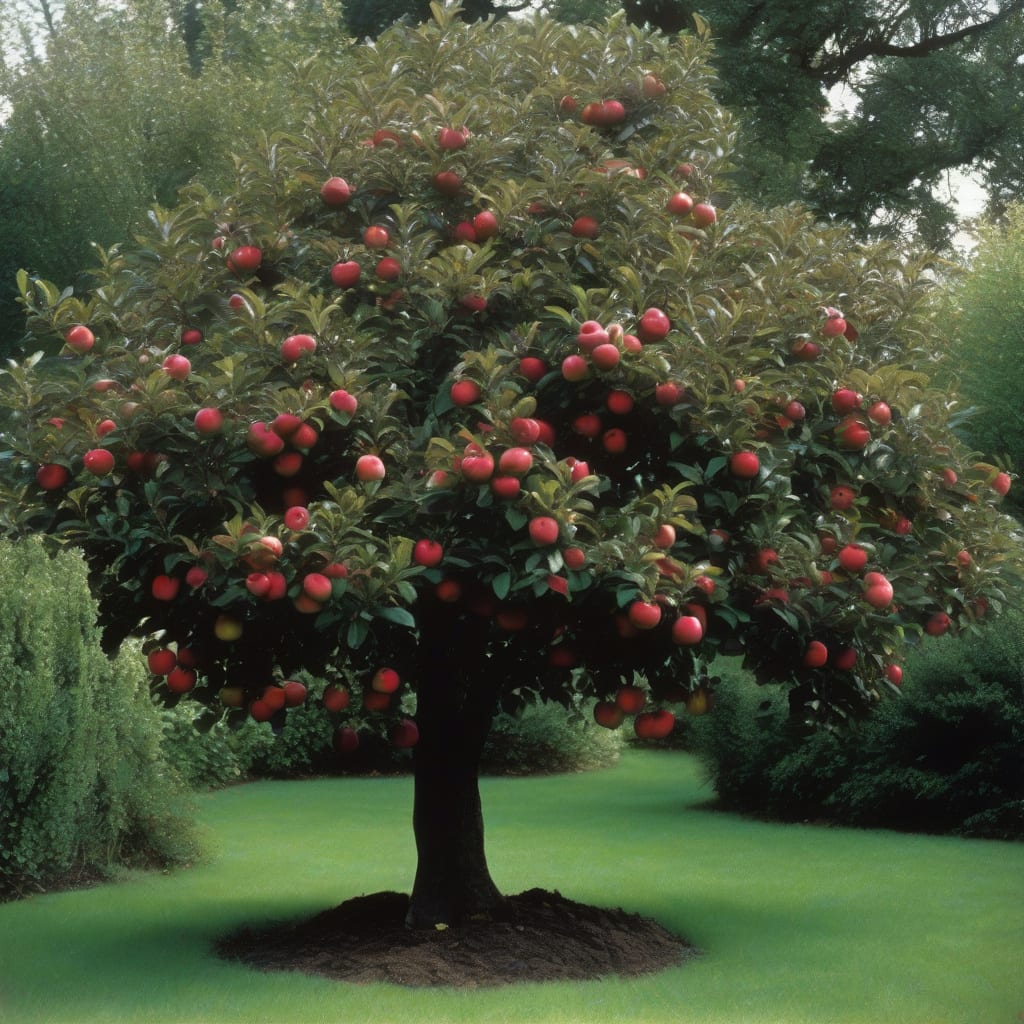
Apple trees 🍎 can become stunning focal points in any garden or orchard, but understanding their growth potential is key to proper planning and care. The height of these beautiful trees varies significantly based on factors like rootstock and pruning practices.
In USDA Zone 6, Apple Trees can grow between 15-25 feet tall at maturity. Factors such as soil quality, climate conditions, and regular maintenance play crucial roles in determining their final height. Let’s explore these elements to help you maximize your tree’s growth potential.

3-5 ft

6-10 ft

10-15 ft

15-25 ft
Apple trees can grow to varying heights depending on several key factors. Understanding these elements is crucial for gardeners and orchardists to make informed decisions about tree selection and care.
The height of an apple tree is primarily determined by its rootstock, variety, soil conditions, and pruning practices. Let’s explore how these factors contribute to the overall height of apple trees.
Rootstock plays a crucial role in determining the final height of apple trees. Dwarf rootstocks typically result in trees that grow between 8-12 feet tall, while standard rootstocks can produce trees that reach heights of 20-25 feet or more.
The variety of apple tree also significantly impacts its potential height. Some varieties are naturally more vigorous and can grow taller than others. For example, standard apple tree varieties can grow up to 25 feet tall, while dwarf varieties may only reach 8-12 feet.
Soil conditions are another critical factor influencing apple tree height. Trees grown in nutrient-rich soil with good drainage tend to grow more vigorously and reach their maximum potential height. Conversely, trees in poor soil may not achieve their full growth potential.
Pruning practices also play a significant role in controlling apple tree height. Regular pruning can help maintain a desired height and promote a balanced tree structure. Pruning can be used to limit the height of the tree, making it more manageable for smaller gardens or orchards.
By understanding these factors, gardeners and orchardists can make informed decisions about which apple tree varieties to plant and how to care for them to achieve the desired height.
Apple trees can be a beautiful addition to any garden, providing both aesthetic value and a bountiful harvest. With proper care and management, these trees can thrive and reach their full potential height.
The maximum height of apple trees can vary significantly based on the factors discussed. By choosing the right rootstock and variety, and providing optimal growing conditions, gardeners can help their apple trees reach their full potential.
To maximize the height of your apple tree, it’s essential to understand the factors that influence its growth. Proper planting, maintenance, and training techniques can encourage vertical growth and help your tree reach its full potential.
One of the most critical factors in maximizing apple tree height is proper pruning. Regular pruning helps maintain a strong, central leader and promotes a balanced tree structure. By removing weak or damaged branches, you can direct the tree’s energy towards healthy growth.
Selecting a standard rootstock can help your apple tree grow taller, as these rootstocks are bred for their vigor and ability to support larger trees.
Ensure your apple tree receives full sun and is planted in well-draining, nutrient-rich soil. This will help promote healthy growth and maximize its height potential.
Use staking and tying techniques to train your apple tree to grow upright. This can help the tree develop a strong, central leader and maximize its height.
By implementing these expert tips, you can help your apple tree reach its maximum height potential. Regular maintenance, proper pruning, and optimal growing conditions are key to promoting healthy growth and encouraging your tree to thrive.
Maximizing apple tree height requires careful planning, attention to detail, and a commitment to providing the best possible growing conditions. With the right techniques and a little patience, you can enjoy a bountiful harvest from your tall, healthy apple tree.
Whether you’re a seasoned gardener or just starting out, understanding how to maximize your apple tree’s height can make a significant difference in your harvest. By following these expert tips, you can help your tree reach new heights and enjoy a more abundant harvest for years to come 🌳.
Managing apple tree height is crucial for maintaining a balanced and productive orchard, especially in smaller garden spaces. By understanding the factors that influence tree height and implementing appropriate management strategies, gardeners can ensure their apple trees remain healthy and productive.
Regular pruning is essential for controlling apple tree height. Prune your trees annually to maintain a desired height and promote a balanced structure. Remove weak or damaged branches to direct the tree’s energy towards healthy growth.
One effective strategy for managing apple tree height is through pruning practices. Regular pruning helps control the tree’s height and promotes a balanced structure. By removing weak or damaged branches, you can direct the tree’s energy towards healthy growth and maintain a desired height.
Rootstock selection is another critical factor in managing apple tree height. Dwarf or semi-dwarf rootstocks naturally result in smaller trees, making them ideal for smaller garden spaces. These rootstocks can help keep the tree height manageable while still providing a bountiful harvest.
The variety of apple tree also plays a significant role in determining its height. Some varieties are naturally more compact or dwarf, making them suitable for smaller gardens. When selecting an apple tree variety, consider the mature height and growth habits to ensure it fits your garden size and needs.
By combining these strategies—pruning, rootstock selection, and variety choice—gardeners can effectively manage apple tree height to suit different garden sizes. This approach not only helps maintain a visually appealing garden but also ensures the trees remain healthy and productive.
Effective management of apple tree height requires a combination of proper care techniques and an understanding of the factors that influence tree growth. With the right strategies, gardeners can enjoy a thriving and productive apple orchard, regardless of the garden size 🌳.
