
Beautiful Plants For Your Interior
Beautiful Plants For Your Interior
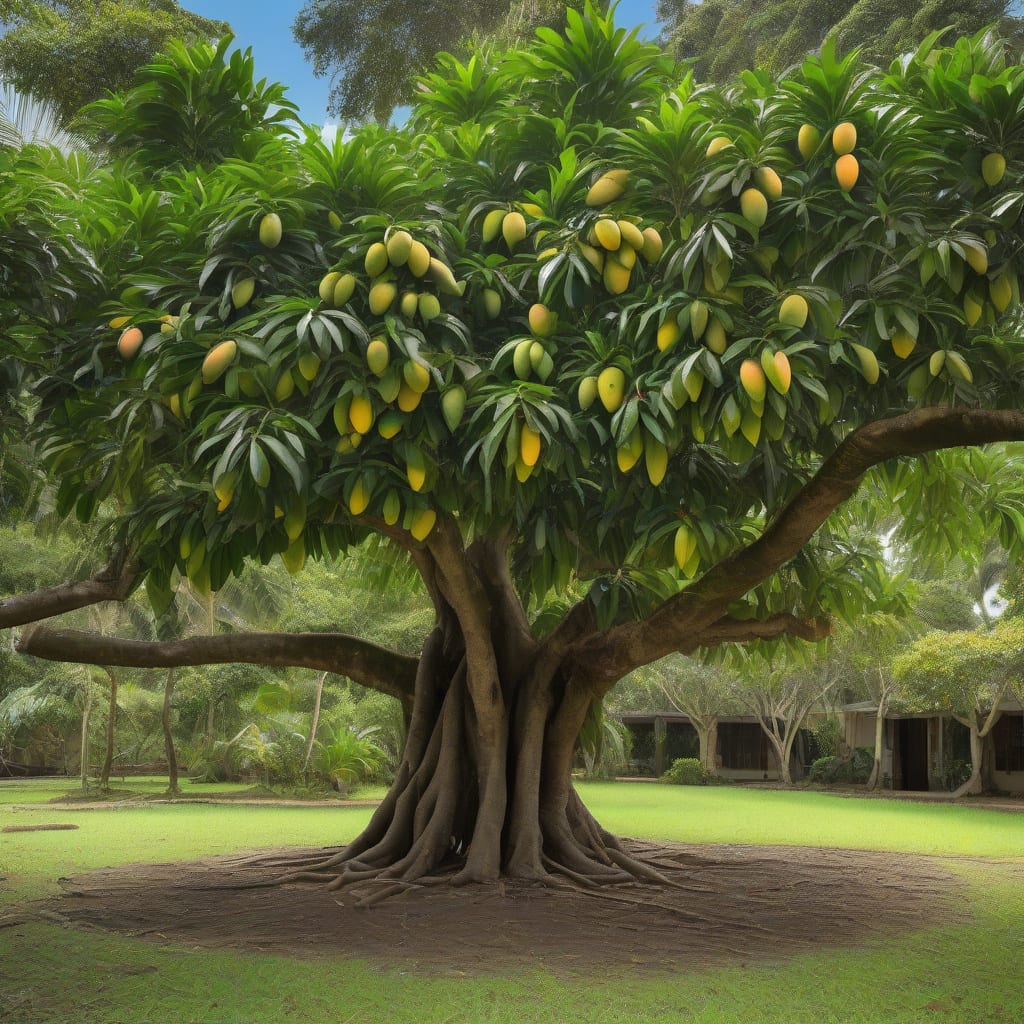
As I stand beneath a mature Mango Tree 🥭 in full glory, I’m always amazed by its towering presence – some varieties can reach heights of 100 feet or more! Growing in USDA Zone 10b, these trees can become stunning landscape features.
The height potential of your Mango Tree depends on factors like variety, growing conditions, and care practices. Let’s explore what influences their growth and how you can optimize conditions for your tree to thrive.


Mango trees are known for their impressive height, but several factors influence how tall they can actually grow. The variety of mango tree plays a crucial role, with some dwarf cultivars remaining much shorter than standard varieties 🌱.
Understanding these growth factors is essential for gardeners looking to cultivate mango trees, whether in ideal tropical conditions or in containers that require more maintenance 🌴.
The genetic makeup of a mango tree determines its natural height potential. Some varieties are naturally more compact while others have the genetic capability to grow much taller 🌳.
Climate conditions significantly affect mango tree height. Trees grown in ideal tropical climates with long growing seasons and warm temperatures tend to reach their maximum height potential more effectively ☀️.
Soil quality is another critical factor. Mango trees prefer well-draining, fertile soil that allows their extensive root system to develop properly, supporting healthy above-ground growth 🌱.
Water availability during the growing season is crucial. Consistent moisture, especially during fruit development, supports overall tree health and height growth 💧.
Cultivation practices such as regular pruning and fertilization can significantly influence a mango tree’s height. Pruning helps maintain desired height while fertilization supports vigorous growth 📈.
Understanding these factors helps gardeners make informed decisions about planting and caring for their mango trees, whether they’re growing standard varieties or more compact dwarf cultivars 🌟.
The maximum height potential of mango trees varies significantly between different varieties. Standard varieties can grow much taller than dwarf or semi-dwarf cultivars, making variety selection crucial for gardeners with limited space 🏠.
By considering these growth factors, gardeners can better predict and manage the height of their mango trees, ensuring they thrive in their specific growing conditions 🌿.
Mango trees come in various sizes, from compact dwarf varieties to towering standard trees. Understanding these differences is crucial for gardeners choosing the right tree for their space 🥭.
The height potential of mango trees varies significantly between different cultivars. Let’s explore the maximum heights of various popular mango tree varieties 🌳.
Dwarf mango varieties are ideal for small gardens or container growing. They typically reach 8-12 feet in height, with some cultivars growing up to 15 feet in ideal conditions 🌟.
Semi-dwarf varieties offer a compromise between size and fruit production. They generally grow to be 15-25 feet tall, with a maximum height of around 30 feet 🌳.
Standard mango tree varieties are the largest, often reaching heights of 60-80 feet or more. In exceptional cases, they can grow up to 100 feet tall, making them significant landscape features 🏔️.
The maximum height potential of mango trees is influenced by both genetic factors and growing conditions. While standard varieties have the greatest height potential, proper care and maintenance are crucial for achieving these heights 🌟.
When selecting a mango tree variety, gardeners should consider the available space and desired tree size. Dwarf and semi-dwarf varieties are more suitable for smaller gardens or urban landscapes, while standard varieties require more space and are often seen in larger orchards or tropical gardens 🏠.
Understanding the potential height of different mango tree varieties helps gardeners plan their landscape effectively and choose the most appropriate tree for their specific needs and available space 🌿.
By considering factors such as available space, climate, and desired maintenance level, gardeners can select the most suitable mango tree variety that will thrive in their specific growing conditions 🌟.
When growing mango trees in home gardens, managing their height becomes crucial, especially in limited spaces. The key to controlling height lies in understanding proper pruning techniques and regular maintenance practices 🌳.
Prune your mango tree annually to maintain desired height and promote healthy growth. Remove dead branches and thin out dense areas to improve air circulation 🌟.
Regular pruning is essential for managing mango tree height. Prune your tree annually to maintain the desired height and shape. Focus on removing dead or diseased branches, as well as any branches that are growing too densely or crossing other branches 🌿.
Training young mango trees is another effective method for controlling their height. By pruning the central leader and shaping the tree when it’s young, you can encourage a more compact growth habit and prevent it from becoming too tall 🌱.
Container growing is an excellent option for managing mango tree height in limited spaces. Dwarf or semi-dwarf varieties thrive in large containers, allowing you to control their size more effectively while still enjoying delicious mangoes 🏠.
By implementing these height management strategies, gardeners can successfully grow mango trees in their home gardens, regardless of the available space. Regular maintenance and proper care will ensure that your mango tree remains healthy and productive for years to come 🌟.
Effective mango tree management combines regular pruning, appropriate variety selection, and proper cultivation practices. By understanding and implementing these techniques, you can enjoy a thriving mango tree that fits perfectly in your garden 🌿.
