
Beautiful Plants For Your Interior
Beautiful Plants For Your Interior
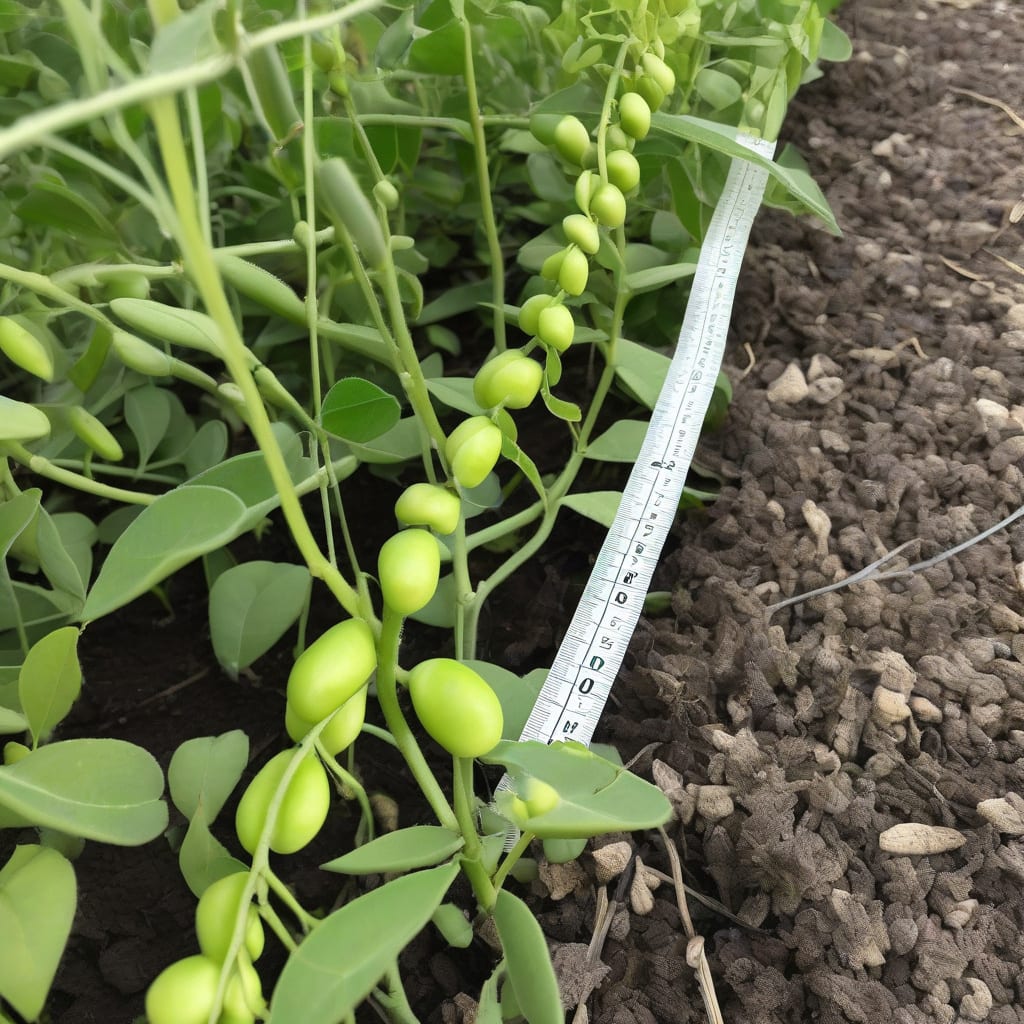
Growing 🌱 Edamame in your garden can be a rewarding experience, especially when you understand their growth patterns. These versatile plants typically grow between 2-3 feet tall, making them a great addition to many garden layouts.
To get the most out of your Edamame plants, it’s essential to know what affects their height and how to optimize growing conditions in your USDA Zone 6 garden. Let’s explore the factors that influence their growth and how you can achieve a bountiful harvest.


Understanding edamame plant height is crucial for garden planning and successful cultivation. These plants typically grow between 2-3 feet tall, making them a great addition to many garden layouts. The height can vary based on factors like soil quality, sunlight, and watering conditions 🌿.
Edamame plants are known for their medium size category and can reach heights comparable to knee or waist level. This makes them suitable for various garden configurations, including container gardening and traditional in-ground planting 🌱.
Several factors can influence the final height of edamame plants. Soil quality plays a significant role, as edamame prefers well-draining soil rich in organic matter. Sunlight exposure is another critical factor, with edamame requiring full sun (6+ hours of direct sunlight) for optimal growth 🌞.
Watering consistency also affects plant height. Edamame needs consistent moisture, especially during the flowering and podding stages. Proper fertilization, using a balanced 10-10-10 NPK fertilizer every 4-6 weeks, can support healthy growth and maximize plant height 🌿.
Understanding these factors helps gardeners create optimal conditions for their edamame plants. By providing the right environment, gardeners can ensure their edamame plants reach their full potential height and produce a bountiful harvest 🥗.
Edamame plants are typically ready to harvest 60-90 days after planting. The ideal harvest time is when pods are plump and beans are bright green. Proper timing ensures the best flavor and texture 🌼.
Gardeners can expect edamame plants to grow steadily throughout the spring and summer months. In USDA Zone 6, the ideal planting months are May and June, with April and July being good alternatives 📆.
To achieve the maximum height of 3 feet, edamame plants require careful planning and maintenance. This includes proper spacing, regular watering, and adequate sunlight. By following these guidelines, gardeners can enjoy a successful edamame harvest 🌻.
Overall, edamame plants are a versatile and rewarding addition to any garden. Their medium height and nutritional value make them an excellent choice for gardeners looking to diversify their crops 🌸.
By understanding the growth patterns and requirements of edamame plants, gardeners can optimize their garden layout and care routines. This knowledge leads to healthier plants and a more productive harvest 🌟.
To achieve optimal edamame plant height and a bountiful harvest, gardeners should focus on creating ideal growing conditions. This includes providing full sun with at least 6 hours of direct sunlight daily, maintaining consistent moisture levels, and using well-draining soil rich in organic matter 🌞.
Test soil pH and amend as necessary. Edamame prefers slightly acidic to neutral soil (pH 6.0-7.0). Add organic compost to improve soil structure and fertility 🌱.
Plant edamame seeds 2-3 inches apart in rows spaced 3 feet apart. This allows for adequate air circulation and sunlight penetration, promoting healthy growth 🌼.
Apply a balanced 10-10-10 NPK fertilizer every 4-6 weeks during the growing season. This supports overall plant health and maximizes edamame production 🌿.
By implementing these expert tips, gardeners can create an optimal environment for their edamame plants to thrive. Proper care and attention to detail will result in healthy plants that reach their full potential height of 2-3 feet and produce a plentiful harvest 🌸.
Regular monitoring of the plants’ progress and adjusting care routines as needed will help ensure a successful edamame harvest. Gardeners should be prepared to provide support if necessary, as taller plants may require staking to prevent lodging 🌻.
With these strategies in place, gardeners can enjoy a bountiful edamame harvest and make the most of their gardening efforts. By understanding and meeting the needs of their edamame plants, they can look forward to a rewarding growing season 🌟.
Growing edamame can be a rewarding experience, but certain mistakes can impact plant height and overall yield. Understanding these common errors helps gardeners take preventive measures and ensure a successful harvest 🌿.
Common errors in edamame cultivation can significantly impact plant height and yield. Being aware of these mistakes helps gardeners take corrective action and ensure a healthy harvest.
One common mistake is inadequate soil preparation. Edamame plants prefer well-draining soil rich in organic matter. Failing to test and amend the soil pH can lead to suboptimal growth. Adding organic compost can improve soil structure and fertility, supporting healthier plants 🌱.
Another error is improper spacing. Planting edamame seeds too close together can result in overcrowding, which reduces air circulation and sunlight penetration. This can lead to weaker plants and decreased yields. Planting seeds 2-3 inches apart in rows spaced 3 feet apart is recommended 🌼.
Inconsistent watering is also a common issue. Edamame needs consistent moisture, especially during flowering and podding stages. Irregular watering can stress the plants, affecting their height and productivity. Maintaining a regular watering schedule helps prevent this issue 💧.
By avoiding these common mistakes, gardeners can create a more favorable environment for their edamame plants. This includes proper soil preparation, adequate spacing, and consistent watering, all of which contribute to healthier plants and a more bountiful harvest 🌸.
Regular monitoring and adjusting care routines as needed will further enhance the growing conditions. By being proactive and attentive, gardeners can maximize their edamame plant height and enjoy a successful growing season 🌟.
