
Beautiful Plants For Your Interior
Beautiful Plants For Your Interior
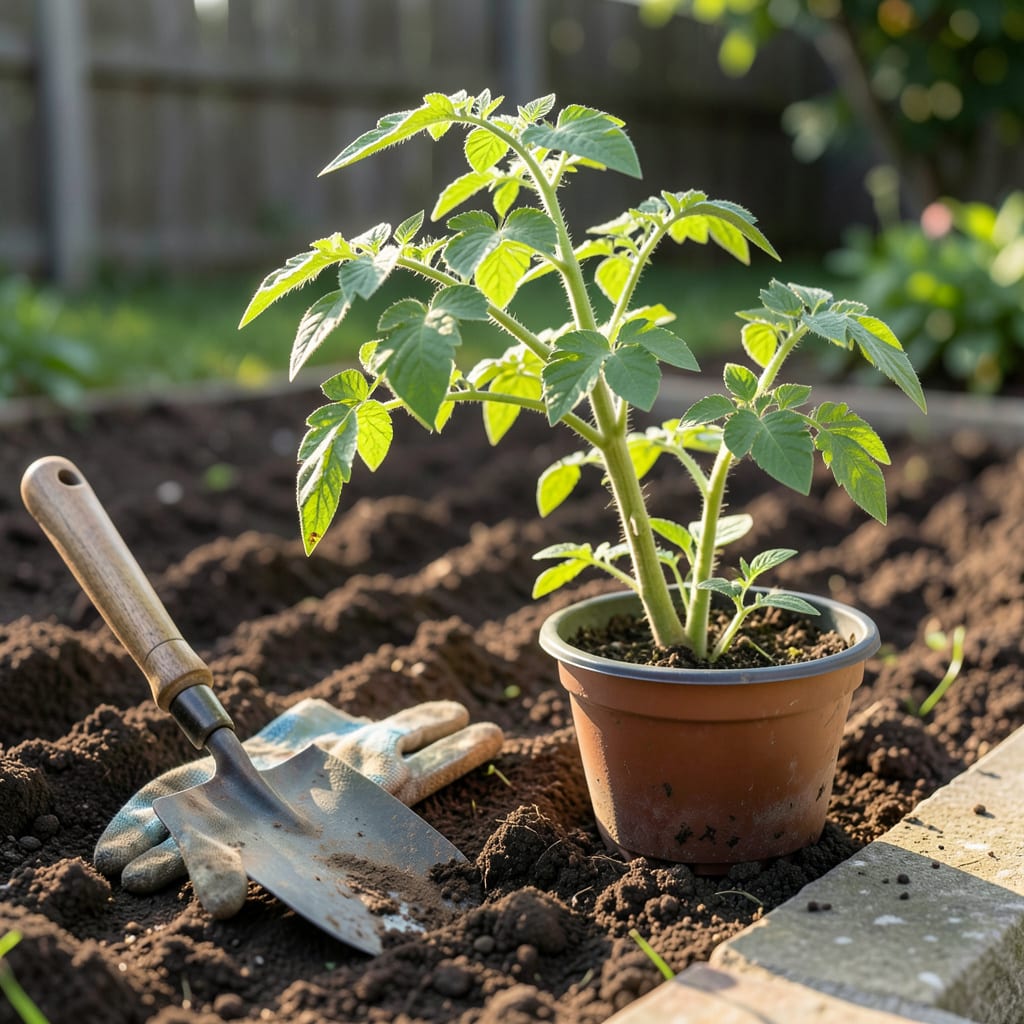
Gardening in zone 7b can be incredibly rewarding, especially when you time your planting just right. For Tomato 🍅 enthusiasts, knowing the optimal planting window is crucial – in zone 7b, that means planting in spring, between April and June.
Understanding the local climate and frost dates is key to successful gardening. With the last frost date around April 10, you’ll want to plan your planting schedule accordingly to ensure a bountiful harvest come July through September.
Ideal Time
Also Good
Gardening in zone 7b requires careful planning around the region’s climate conditions and frost dates. The area experiences a moderate climate with hot summers and mild winters, making it ideal for growing a variety of plants. 🌞
Understanding the seasonal breakdown is crucial for successful gardening. Zone 7b has an average last frost date around April 10 and the first frost date around October 15, giving gardeners approximately 188 frost-free days. This information helps determine the best planting times for different crops. ❄️
For tomatoes, which are a popular choice in zone 7b, the ideal planting months are April, May, and June. Planting should occur after the last frost date when the soil has warmed to at least 60°F. Tomatoes require full sun and consistent watering, making them a great choice for gardeners in this zone. 🌟
The harvest period for tomatoes in zone 7b typically spans from July to September, with the exact timing depending on the variety and growing conditions. Regular fertilization every 4-6 weeks with a balanced fertilizer (10-10-10 NPK) can help ensure a bountiful harvest. 📈
Understanding these seasonal planting guidelines helps gardeners in zone 7b make informed decisions about their garden, ensuring optimal growth and maximum yield. By following these tips and staying aware of the local climate conditions, gardeners can enjoy a successful and productive gardening season. 🌱
Gardeners should also consider the soil preparation and frost protection strategies to further enhance their gardening success. Proper soil preparation involves testing the soil type and pH, adding necessary amendments, and ensuring good drainage. 🌿
For additional guidance on frost protection, gardeners can use techniques like row covers or cold frames to protect sensitive plants from unexpected frosts. ❄️
By combining this knowledge with the planting calendar, gardeners in zone 7b can create a thriving and diverse garden that meets their needs and preferences. 🌻
Regular monitoring of weather forecasts and adjusting the planting schedule as needed can also contribute to a successful gardening experience. Staying informed and adaptable is key to maximizing the potential of your garden in zone 7b. 🌟
Gardening in zone 7b offers a wide range of possibilities for growing various plants throughout the year. The region’s moderate climate allows for diverse planting options across different seasons. 🌞
Understanding the best plants for each season is essential for maximizing your garden’s potential. Here are some recommended plants for spring, summer, and fall in zone 7b. 🌟
These plants are well-suited to zone 7b’s climate conditions and can thrive when planted at the right time. By choosing the right plants for each season, you can enjoy a diverse and productive garden throughout the year. 🌻
Tomatoes, for example, are a popular choice for spring planting in zone 7b. They require full sun and consistent watering, making them a great fit for gardeners in this region. 🌟
Incorporating a mix of vegetables, flowers, and herbs into your garden not only adds variety but also helps in maintaining a balanced ecosystem. This approach can lead to a more resilient and thriving garden. 🌱
By understanding the seasonal planting guidelines and selecting the appropriate plants, gardeners in zone 7b can optimize their gardening efforts and enjoy a bountiful harvest. 🌼
Regularly monitoring your garden’s progress and adjusting your planting schedule as needed can further enhance your gardening success. Staying informed about local climate conditions and being prepared to adapt is key to a productive gardening experience. 🌟
Gardening in zone 7b requires careful planning and attention to detail to ensure a successful harvest. One of the most critical factors is understanding the local climate conditions and frost dates. By knowing when to expect the last frost, you can plan your planting schedule accordingly. 🌞
To help you get started, here’s a helpful tip:
For tomatoes and other warm-season crops, wait until the soil has warmed to at least 60°F before planting. This usually occurs around late April in zone 7b.
Soil preparation is another crucial aspect of successful gardening in zone 7b. Test your soil to determine its type and pH level, and add necessary amendments to improve its structure and fertility. This will help ensure that your plants receive the nutrients they need to thrive. 🌿
In addition to soil preparation, frost protection is vital for sensitive plants. Consider using row covers or cold frames to protect your plants from unexpected frosts. These techniques can help extend the growing season and improve crop yields. ❄️
Watering strategies also play a significant role in gardening success. In zone 7b, it’s essential to maintain consistent moisture levels, especially during hot summer months. Water your plants deeply but infrequently to encourage deep root growth. 💧
By following these practical tips and staying informed about local climate conditions, you can enjoy a successful and productive gardening experience in zone 7b. Regular monitoring of weather forecasts and adjusting your planting schedule as needed can further enhance your gardening success. 🌟
With careful planning and attention to detail, you can create a thriving and diverse garden in zone 7b that meets your needs and preferences. Happy gardening! 🌱
In zone 7b, the best time to plant tomatoes is in spring, after the last frost date, which is around April 10. Wait until the soil has warmed to at least 60°F for optimal growth.
For spring planting in zone 7b, excellent choices include tomatoes , peppers, and cucumbers. These warm-season crops thrive in the region’s moderate climate.
To protect sensitive plants from unexpected frosts in zone 7b, consider using row covers or cold frames. These techniques can help extend the growing season and improve crop yields.
In zone 7b, the harvest period for tomatoes typically spans from July to September, depending on the variety and growing conditions. Regular fertilization can help ensure a bountiful harvest.
