
Beautiful Plants For Your Interior
Beautiful Plants For Your Interior
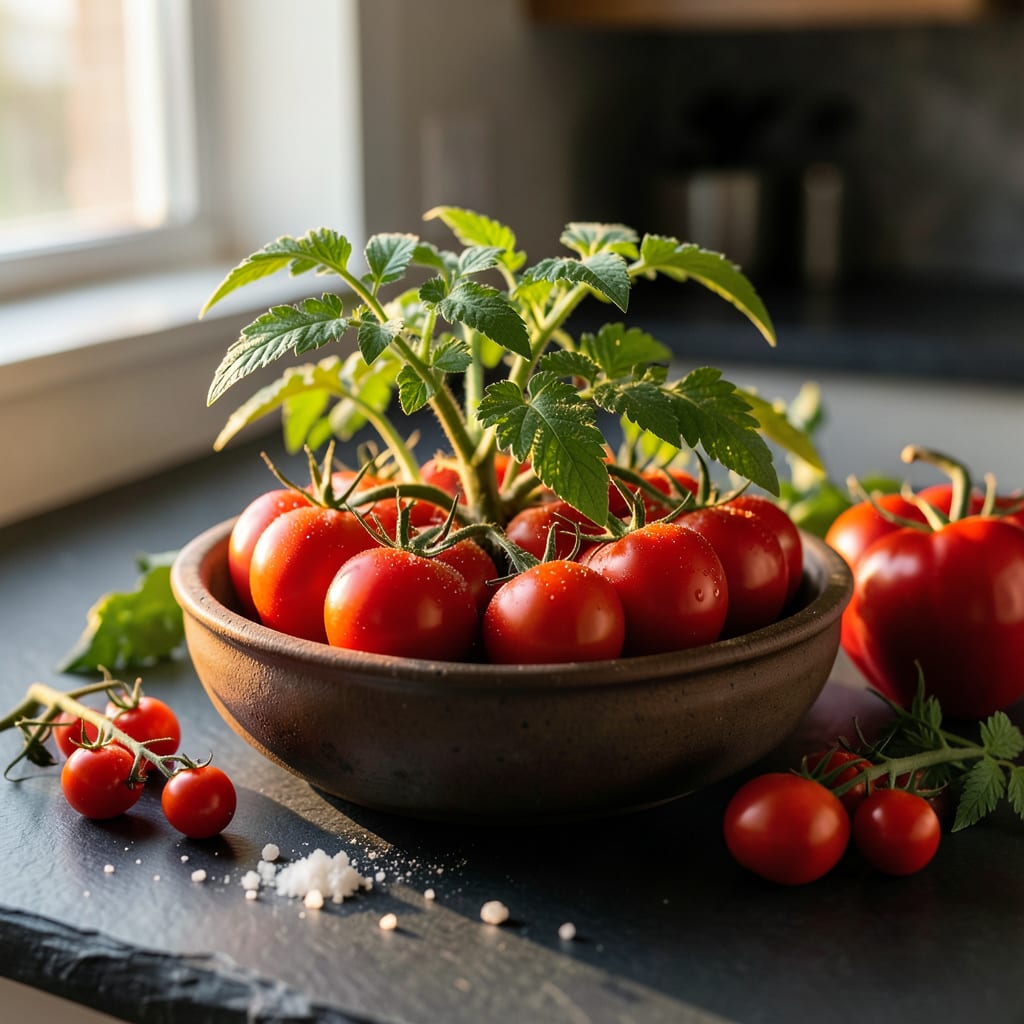
As a Seattle gardener, you’re probably eager to get your tomato 🍅 plants in the ground. But timing is everything in the Pacific Northwest climate. Plant too early, and you risk frost damage; too late, and you might miss the optimal growing season.
So, when is the perfect time to plant tomatoes in Seattle? I’ll guide you through the key factors to consider, including frost dates and soil temperature, to ensure a bountiful harvest in mid-summer to early fall.
Ideal Time
Also Good
As a Seattle gardener, understanding the local climate is crucial for successful tomato 🍅 cultivation. Seattle’s maritime climate brings unique challenges, including cool springs and mild summers.
The ideal time to plant tomatoes in Seattle is typically in late spring to early summer, when the soil temperature has warmed up and the risk of frost has passed. I’ll guide you through the key climate considerations to ensure a bountiful harvest.
The last frost date is a critical factor in determining when to plant tomatoes in Seattle. Typically, this occurs around April 15. Waiting until after this date helps ensure that your tomato plants won’t be damaged by late-season frosts.
Soil temperature is another vital consideration. Tomatoes thrive when the soil is between 55°F and 60°F. You can check soil temperature with a thermometer or wait for consistent daytime temperatures above 60°F. 🌱
The ideal planting months in Seattle are May and June. These months offer the best balance of warm weather and sufficient daylight for tomato plants to flourish.
Seattle’s frost-free days are an important factor in choosing tomato varieties. With 200 frost-free days, you have ample time to grow a wide range of tomato types, from early-producing varieties to larger, later-maturing ones.
When planning your tomato garden, consider the microclimates within your yard. Areas near buildings or bodies of water may have slightly different temperature profiles, potentially allowing for earlier or later planting.
To maximize your harvest, it’s essential to understand how Seattle’s climate affects tomato growth. The region’s mild summers mean that tomatoes can continue producing fruit well into September and sometimes early October.
By carefully considering these climate factors, you can optimize your tomato planting schedule and enjoy a bountiful harvest in Seattle’s unique climate.
Successful tomato cultivation in Seattle requires a combination of proper timing, soil preparation, and variety selection. By understanding and adapting to the local climate conditions, you can enjoy a productive growing season and delicious homegrown tomatoes.
As you plan your tomato garden, remember that patience is key. Waiting for the right moment to plant will pay off with healthier plants and a more abundant harvest. 🔥
Now that we’ve covered the ideal timing for planting tomatoes in Seattle, let’s focus on preparing your garden for these warm-season crops. Proper preparation is key to a successful tomato harvest 🍅.
Before planting, it’s essential to prepare your soil. Seattle’s soil can be quite dense, so incorporating organic matter like compost or well-rotted manure will improve its structure and fertility.
Choosing the right tomato varieties for Seattle’s climate is crucial. Look for varieties that are disease-resistant and have a maturity date that fits within Seattle’s growing season.
Consider using raised beds or containers to improve soil drainage and warm the soil faster in the spring. This can give your tomatoes a head start on the growing season.
When setting up your garden, ensure that your tomato plants will receive full sun (at least 6 hours of direct sunlight) and have good air circulation to prevent disease.
By following these steps, you’ll be well on your way to growing a healthy and productive tomato crop in your Seattle garden. 🌱
Remember, preparation is key to a successful harvest. Take the time to prepare your soil and choose the right varieties, and you’ll be enjoying fresh, homegrown tomatoes in no time. 🔥
As you prepare your garden, keep in mind that tomatoes are heavy feeders. Consider incorporating a balanced fertilizer into your soil preparation to support healthy plant growth.
With careful planning and preparation, you can enjoy a bountiful tomato harvest in Seattle’s unique climate. Happy gardening! 🌼
Understanding the Seattle tomato planting timeline is crucial for a successful harvest. The city’s maritime climate means gardeners must be strategic about when and how they plant.
Let’s break down the key steps for a successful tomato harvest in Seattle, focusing on frost protection and common mistakes to avoid.
For a successful tomato harvest in Seattle, start seeds 6-8 weeks before the last frost date. This allows seedlings to establish before being transplanted outdoors.
The month-by-month guide helps Seattle gardeners plan their tomato planting effectively. In March, start tomato seeds indoors to get a head start on the growing season.
By May, soil temperatures have warmed, and the risk of frost has decreased, making it an ideal time to transplant seedlings outdoors. Ensure they receive full sun and have good air circulation to prevent disease.
During summer months, keep a close eye on your plants, ensuring they receive consistent moisture and adequate nutrients. Tomatoes are heavy feeders, so consider using a balanced fertilizer to support their growth.
As fall approaches, be prepared to protect your plants from early frosts. Use frost blankets or other protective measures to extend the growing season if necessary.
By following this Seattle tomato planting timeline and avoiding common pitfalls, you’ll be on your way to a bountiful harvest. Happy gardening! 🌼
The ideal soil temperature for planting tomatoes is between 55°F and 60°F. You can check soil temperature with a thermometer or wait for consistent daytime temperatures above 60°F. This ensures optimal growth and reduces shock to the plants.
In Seattle, the last frost date is around April 15. It’s generally safe to plant tomatoes outdoors 2-4 weeks after this date, when the soil has warmed up and the risk of frost has decreased. This timing helps prevent damage to young plants.
Yes, starting tomato seeds indoors 6-8 weeks before the last frost date is a great way to get a head start on the growing season. This allows seedlings to establish before being transplanted outdoors when the weather warms up. It’s a common practice among Seattle gardeners.
Common mistakes include planting too early, not preparing the soil properly, and not providing adequate spacing between plants.
