
Beautiful Plants For Your Interior
Beautiful Plants For Your Interior
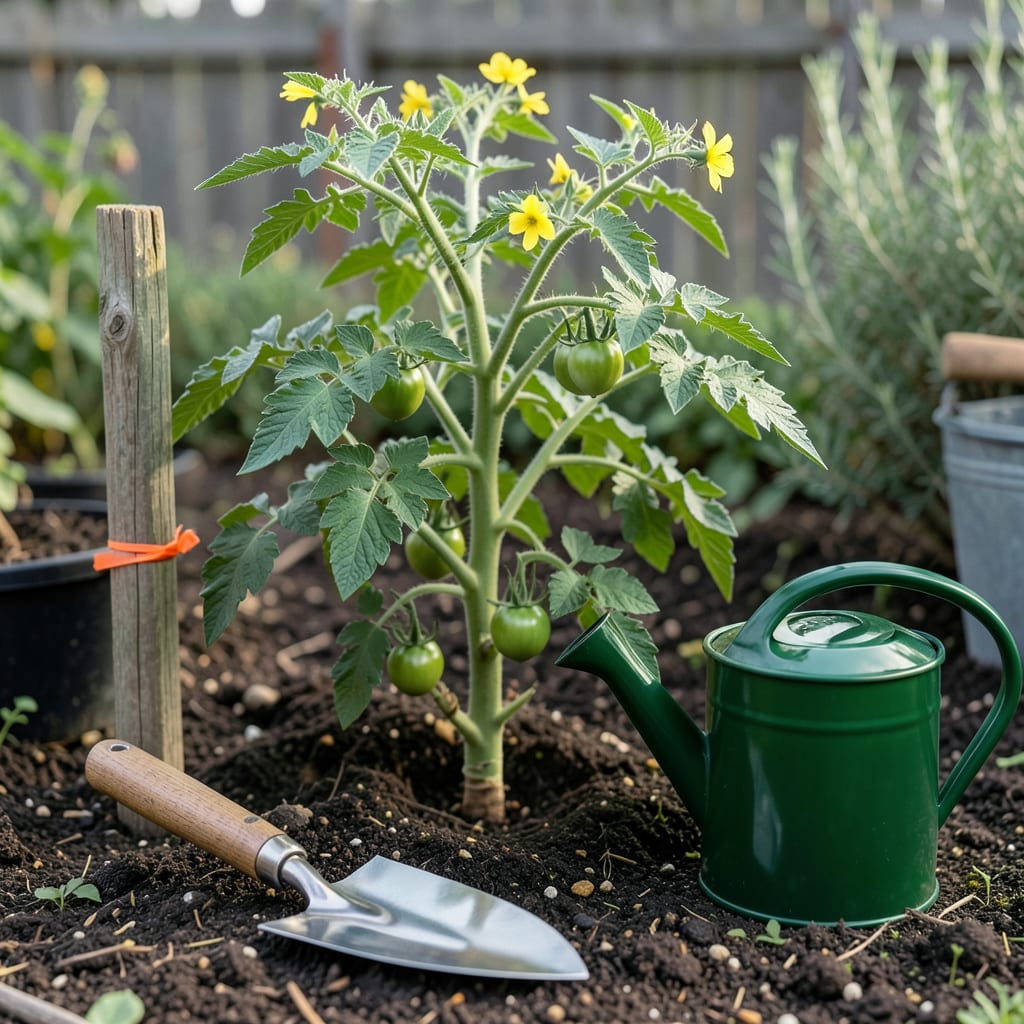
Imagine biting into a 🍅 from your backyard, but only if you get the timing right in February in Florida. I’ve nailed the sweet spot so you can dodge frost and start harvesting sooner.
I’ll walk you through the planting window and a 3 steps plan so you can learn how to grow faster this spring.
Ideal Time
Also Good
Florida’s warm climate makes tomato planting a joy, but hitting the optimal timing is the most important factor for a bountiful harvest. I always check the last frost date before sowing seeds. 🌞
Because Florida spans three climate zones, I break advice into North, Central, South regions. Each has its own weather patterns and planting windows. Below you’ll see a quick summary table to guide you.
In North Florida I wait until the risk of frost is gone, usually late February. Plant seedlings when the soil reaches 65°F and daytime highs stay above 70°F. This timing gives plants a full growing season and strong yields.
For Central Florida, the window opens a bit earlier, mid‑February, because nights warm up faster. I aim to plant as soon as the soil temperature hits 65°F, which often aligns with the last frost around March 1.
In South Florida the climate stays warm year‑round, so I can start as early as early February. The earliest planting takes advantage of the consistent heat and long daylight, leading to earlier fruit set. 🍅
A simple tip: use a soil thermometer to confirm the soil temperature is at least 65°F before planting. This avoids early frost damage and promotes strong root development. I also check nighttime lows stay above 55°F.
Now that you know the regional planting windows, mark the dates on your garden calendar and stay consistent with watering. I’m confident you’ll enjoy a vibrant tomato harvest by late spring.
Choosing the right variety boosts success. In the north I favor cold‑tolerant hybrids like ‘Florida 91’, while central growers love ‘Early Girl’ for its quick set. Down south, heat‑resistant types
I’ve seen many Florida gardeners lose early tomato seedlings because they ignore a few simple warnings. In my experience, the biggest setbacks come from frost surprises, water missteps, and pest invasions that could have been prevented. 🌱
First, frost can still bite even after the official March 1 date. I always check night‑time lows and wait until they stay above 55°F before setting out seedlings. Skipping this step often kills tender roots before they even see the sun.
Planting too early, over‑watering, and ignoring soil temperature are the top three mistakes that ruin yields. Follow the tips above to protect your tomatoes.
A common error is planting seedlings before the soil warms to 65°F. I once buried a tray in February and the roots stayed cold, producing stunted vines. Waiting for a reliable soil thermometer reading saves you weeks of lost growth.
Over‑watering is another trap; Florida’s heat makes soil dry fast, but too much moisture invites root rot. I water deeply early morning, then let the top inch dry before the next soak. This schedule keeps roots oxygenated and prevents fungal problems. 💧
Crowded plants compete for light and air, leading to weak stems and disease. I space each tomato at least 24‑30 inches apart and prune lower suckers once the plant reaches 12 inches tall. Proper airflow reduces blight and improves fruit size.
Neglecting pest scouting lets aphids and whiteflies multiply unchecked. I walk the rows weekly, shaking foliage over a tray to spot insects. Early‑stage organic sprays or neem oil keep populations low without harming beneficial bees.
Finally, I always track my planting dates in a garden journal. When something goes wrong, the
Start seeds in late February once the soil consistently reaches 65°F and night lows stay above 55°F. This timing lets seedlings avoid frost and gives a full growing season.
In Central Florida you can sow as early as mid‑February because daytime highs quickly climb to around 70°F. Plant when the soil hits 65°F, which usually aligns with the region’s last frost around March 1.
Beginners often plant before the soil is warm enough, leading to stunted vines, and they over‑water, causing root rot. They also crowd plants, spacing less than 24‑30 inches apart, which reduces airflow.
Soil temperature directly controls root growth; seedlings struggle below 65°F even if the air feels warm. A warm soil ensures quick establishment and protects against early‑season diseases.
