
Beautiful Plants For Your Interior
Beautiful Plants For Your Interior
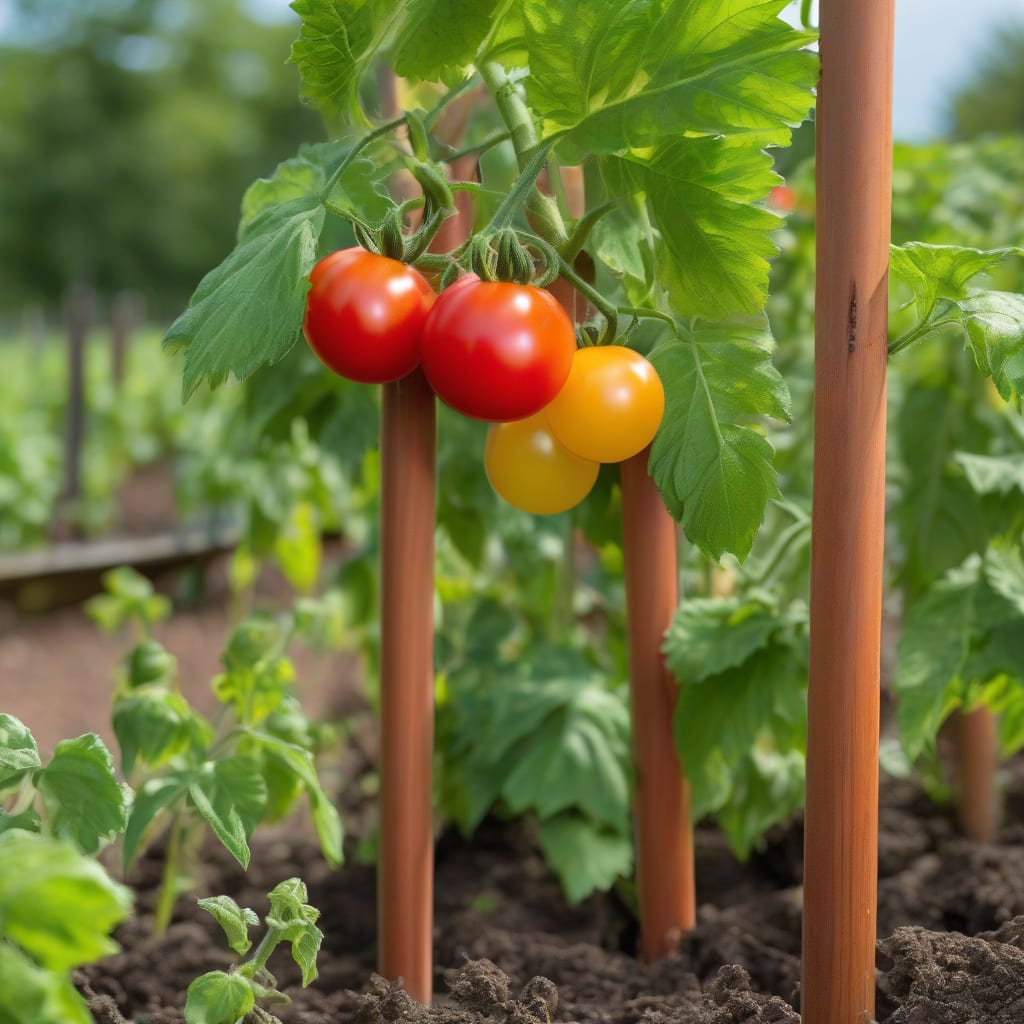
Growing Grape Tomato 🍅 plants can be a rewarding experience, but understanding their growth potential is key to planning your garden effectively. These plants can grow quite tall, requiring proper support to maximize their yield.
In USDA Zone 6, you can expect Grape Tomato plants to reach heights of 3-6 feet, making them a great choice for gardens with vertical space. Let’s dive into the factors that influence their growth and how to support them.

3-4 ft

2-6 ft

2-6 ft

3-6 ft
Grape tomato plants are known for their compact growth and abundant harvests, making them a favorite among gardeners. However, understanding their height potential is crucial for proper garden planning and support. In general, grape tomato plants can grow quite tall, requiring careful consideration of their support needs 🌿.
The height of grape tomato plants can vary significantly based on several factors, including the specific variety, growing conditions, and support provided. On average, grape tomato plants can grow between 3-6 feet tall, with some varieties reaching heights of up to 6 feet or more in ideal conditions 📏.
In USDA Zone 6, grape tomato plants typically thrive in the spring season, with ideal planting times in May and June. The plants require full sun and consistent moisture to grow well, making them well-suited for gardens with plenty of sunlight 🌞.
The height of grape tomato plants is an important consideration for gardeners, as it affects not only the overall garden layout but also the support structures needed. Understanding the factors that influence their growth can help gardeners make informed decisions about how to manage their plants effectively 📐.
One of the key factors influencing the height of grape tomato plants is the variety. Some varieties are bred to be more compact, while others are more vigorous and can grow quite tall. Gardeners should research the specific variety they are growing to understand its growth habits and plan accordingly 📚.
Growing conditions also play a significant role in determining the height of grape tomato plants. Factors such as light exposure, watering, and fertilization can all impact plant growth. For example, plants receiving adequate sunlight and consistent watering tend to grow more robustly 🌟.
In addition to variety and growing conditions, the support provided to grape tomato plants can significantly influence their height. Using stakes, cages, or trellises can help control the plant’s height and promote healthier growth by keeping the fruit off the ground and improving air circulation 🌿.
Overall, understanding the factors that influence the height of grape tomato plants can help gardeners plan their gardens more effectively and ensure a bountiful harvest. By considering the variety, growing conditions, and support needs, gardeners can optimize their grape tomato plants’ growth and enjoy a successful growing season 🎉.
Grape tomato plants are a versatile and productive addition to any garden, offering a delicious and nutritious harvest throughout the growing season. With proper care and support, these plants can thrive and provide gardeners with a bountiful supply of fresh tomatoes 🍅.
By understanding the growth habits and needs of grape tomato plants, gardeners can create a thriving and productive garden that meets their needs and provides a rewarding growing experience 🌼.
As grape tomato plants grow tall, typically reaching heights of 3-6 feet, they require proper support to maintain their structure and promote healthy growth. Without adequate support, these plants can become leggy and prone to disease 🌿.
One effective way to support grape tomato plants is by using stakes, cages, or trellises. These structures help keep the plants upright, allowing for better air circulation and sunlight penetration, which are crucial for fruit production 🌞.
When choosing a support method, consider the available space in your garden and the specific needs of your grape tomato variety. For example, indeterminate varieties require more substantial support than determinate ones 📏.
In addition to providing physical support, it’s essential to monitor the overall health of your grape tomato plants. Regularly inspect your plants for signs of disease or pests, and take action promptly to prevent any issues from spreading 🌟.
By providing the right support and care, you can enjoy a bountiful harvest of delicious grape tomatoes throughout the growing season. Proper support not only enhances the plant’s structure but also contributes to a healthier and more productive garden 🎉.
Grape tomato plants are relatively easy to support, and with the right techniques, you can maximize their growth potential and enjoy a successful harvest 🍅.
Understanding the specific support needs of your grape tomato plants is key to creating a thriving and productive garden. By choosing the right support structures and maintaining good garden practices, you can ensure a healthy and fruitful growing season 🌼.
To maximize yield from tall grape tomato plants, understanding proper pruning and training techniques is essential. These methods help manage plant height while enhancing fruit production 🌿.
Pruning involves removing excess foliage and suckers to direct the plant’s energy toward fruiting. This process improves air circulation and sunlight penetration, reducing disease risk and promoting healthier growth 🌞.
Remove lower leaves to prevent soil-borne diseases from splashing onto the plant.
Remove suckers between the main stem and branches to direct energy to fruiting.
Gently train vines onto trellises or cages to support vertical growth.
Training involves guiding the plant’s growth to optimize space and promote fruiting. Using trellises or cages helps manage height and keeps fruit off the ground, reducing rot and damage 📏.
By combining pruning and training techniques, gardeners can significantly enhance their grape tomato yield. These practices not only manage plant height but also promote a healthier and more productive growing season 🎉.
Regular monitoring and adjustment of pruning and training methods are crucial for optimal results. Gardeners should stay attentive to their plants’ needs and adapt their techniques accordingly 🌟.
With proper pruning and training, grape tomato plants can thrive, providing a bountiful harvest of delicious tomatoes 🍅.
