
Beautiful Plants For Your Interior
Beautiful Plants For Your Interior
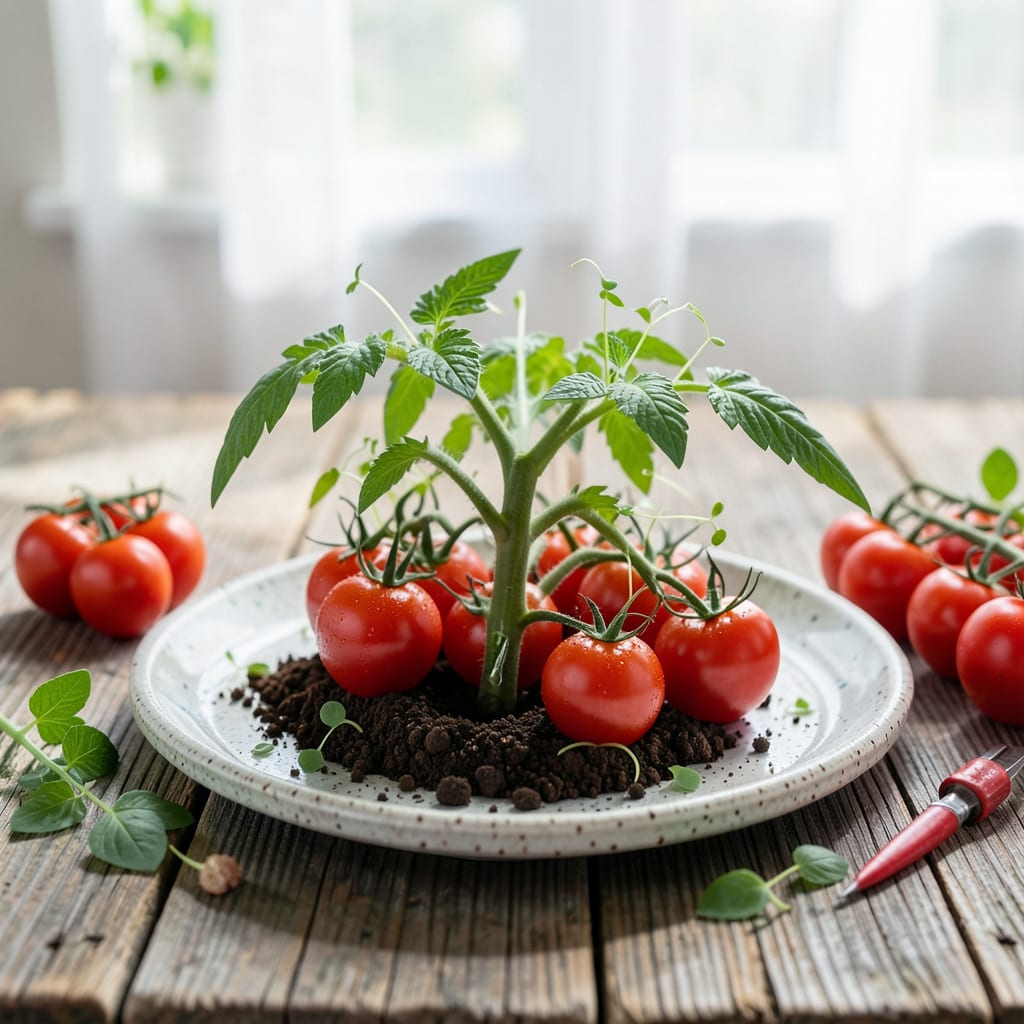
Growing delicious 🍅 tomatoes requires more than just planting and watering – timing your fertilizer application is crucial. In USDA Zone 6, understanding when to feed your tomato plants can make all the difference in your harvest.
I’ll walk you through the best times to fertilize your tomato plants for maximum yield, from the initial planting stage to fruit development. Let’s get started on growing a bountiful tomato harvest.

Fertilizing tomato plants at the right time is crucial for a bountiful harvest. Understanding when and how to fertilize can make all the difference in your tomato yield. I’ll guide you through the critical stages of fertilization to help you achieve optimal growth and maximum yield 🌟.
In USDA Zone 6, tomato plants have specific fertilization needs. The key stages for fertilization are during planting time, flowering stage, and fruit development. Let’s explore these stages in detail to ensure you’re giving your tomato plants the best chance to thrive 🌱.
The fertilization schedule for tomato plants in USDA Zone 6 typically starts when plants are 6 inches tall, usually about 2-3 weeks after planting. After that, continue fertilizing every 4-6 weeks throughout the growing season. This ensures your tomato plants receive the necessary nutrients at the right times 🌱.
It’s essential to monitor your plants’ health and adjust the fertilization schedule as needed. Factors such as soil quality, weather conditions, and plant variety can influence the fertilization needs of your tomato plants. By paying attention to these factors, you can optimize your fertilization strategy for the best results 📊.
Soil testing can provide valuable insights into the nutrient levels and pH of your soil. Based on the test results, you can adjust your fertilization plan to address any deficiencies or imbalances. This proactive approach helps ensure your tomato plants receive the right nutrients in the right amounts 🌿.
Fertilizing tomato plants is not a one-size-fits-all process. Different fertilizer types and application methods can impact the effectiveness of your fertilization strategy. Understanding these differences is key to making informed decisions about your tomato plant care 💡.
By following a well-planned fertilization schedule and adjusting it based on your plants’ needs, you can enjoy a healthy and productive tomato harvest.
In conclusion, fertilizing your tomato plants at the right times is a critical component of successful tomato cultivation. By understanding the key fertilization stages and adjusting your strategy based on your plants’ needs, you can achieve maximum yield and enjoy a bountiful harvest of delicious tomatoes 🍅.
For more detailed information on fertilizing tomato plants, including tips on fertilizer types and application methods, continue reading the next section. We’ll explore how to fertilize tomato plants effectively to support their growth and productivity 📚.
Fertilizing tomato plants effectively is crucial for achieving a bountiful harvest. Understanding the right fertilizer types and application methods can make a significant difference in your tomato yield 🌟.
I recommend starting with a soil test to determine your soil’s nutrient levels and pH. This information will help you choose the right fertilizer for your tomato plants 🌱.
Use a balanced fertilizer (e.g., 10-10-10 NPK) for overall plant health, and consider a high-phosphorus fertilizer during flowering to promote fruiting.
When applying fertilizer, it’s essential to follow the recommended application rates to avoid over-fertilizing, which can harm your plants 📊.
Organic fertilizers, such as compost or manure, release nutrients slowly and improve soil structure. Synthetic fertilizers provide quick nutrient availability but require more frequent applications 💡.
The timing of fertilizer application is also critical. Fertilize when plants are 6 inches tall, and continue every 4-6 weeks throughout the growing season. This schedule ensures your tomato plants receive the necessary nutrients at the right times 🌱.
To maximize the effectiveness of your fertilization strategy, monitor your plants’ health and adjust as needed. Keep an eye out for signs of nutrient deficiencies, such as yellowing leaves or stunted growth 📚.
By following these tips and understanding the specific needs of your tomato plants, you can enjoy a healthy and productive tomato harvest 🍅.
Understanding when your tomato plants need fertilizer is crucial for their health and productivity. I’ll guide you through the signs of nutrient deficiency and how to diagnose common issues to ensure your plants receive the necessary nutrients 🌟.
Keep an eye out for visual cues that indicate your tomato plants need fertilizer. These can include yellowing leaves, stunted growth, or poor fruit development. Recognizing these signs early allows you to adjust your fertilization strategy accordingly 🌱.
Regular monitoring and timely fertilization are key to maintaining healthy and productive tomato plants. Adjust your fertilization schedule based on your plants’ response to ensure optimal growth and yield 📊.
Nutrient deficiencies can manifest in various ways. For example, a nitrogen deficiency can cause yellowing leaves, while a phosphorus deficiency can lead to poor fruit development. Understanding these deficiencies helps you choose the right fertilizer for your tomato plants 💡.
To diagnose common issues, inspect your plants regularly. Look for signs of pests, diseases, or nutrient deficiencies. Adjusting your fertilization strategy based on these observations ensures your tomato plants receive the necessary nutrients for optimal growth 📚.
By recognizing when your tomato plants need fertilizer and adjusting your strategy accordingly, you can enjoy a healthy and productive tomato harvest. Continue to monitor your plants’ health and make adjustments as needed to achieve maximum yield 🍅.
Fertilize your tomato plants every 4-6 weeks throughout the growing season, starting when they’re 6 inches tall. This schedule ensures they receive necessary nutrients at the right times for optimal growth and fruit production.
A balanced fertilizer (e.g., 10-10-10 NPK) is ideal for overall plant health, while a high-phosphorus fertilizer promotes healthy flowering and fruit set during the flowering stage. Consider using organic fertilizers like compost or manure for slow nutrient release.
Watch for signs of nutrient deficiency, such as yellowing leaves, stunted growth, or poor fruit development. Regular monitoring and timely fertilization help maintain healthy and productive tomato plants. Adjust your fertilization schedule based on your plants’ response.
Yes, over-fertilizing can harm your tomato plants. Follow the recommended application rates and avoid fertilizing too frequently. Too much fertilizer can cause more harm than good, leading to poor fruit production and plant damage. Be cautious and monitor your plants’ health.
