
Beautiful Plants For Your Interior
Beautiful Plants For Your Interior
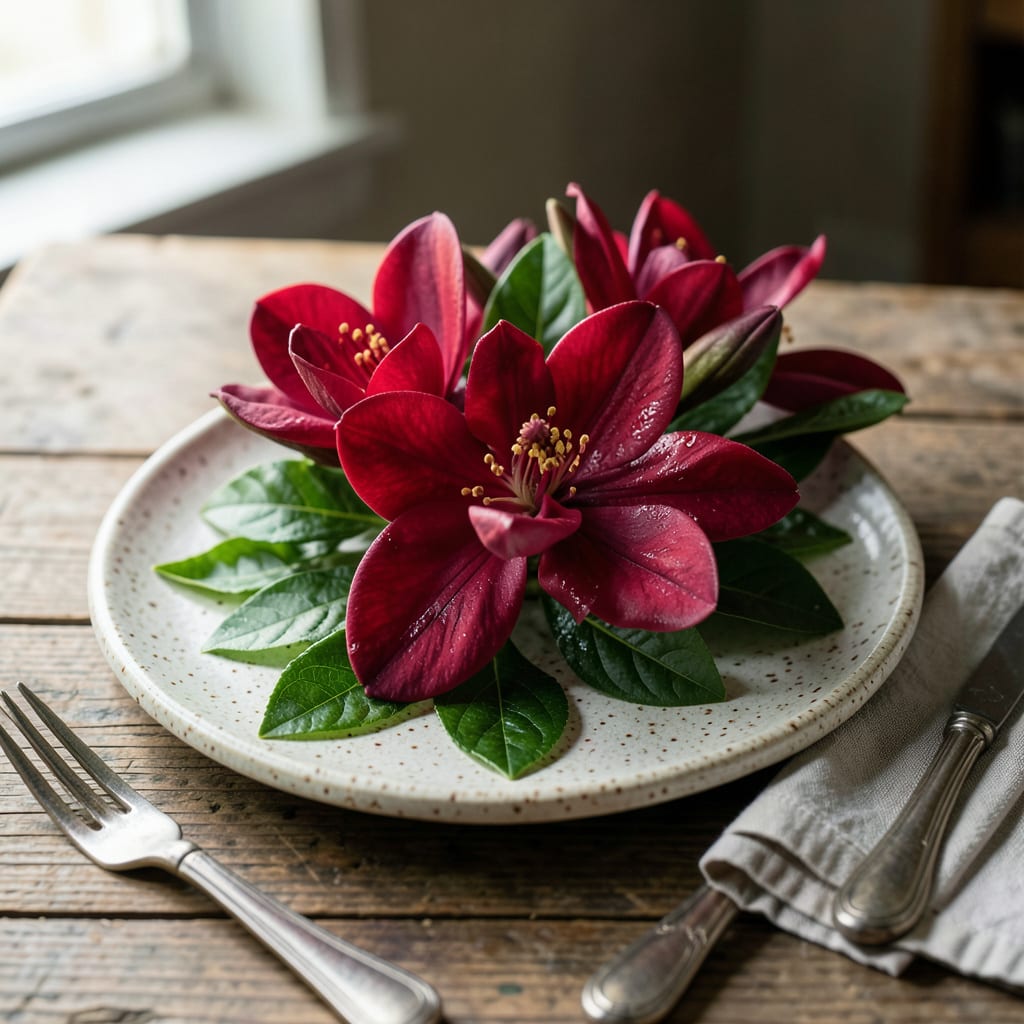
Gardenias 🌸 are a Southern favorite, and Georgia gardeners know how beautiful they can be with proper care. To keep your plants thriving, timing is everything when it comes to fertilization.
In Georgia’s USDA Zone 8a climate, you’ll want to fertilize your gardenias during their active growing season. Let’s dive into the best times and methods to keep your gardenias healthy and blooming beautifully.

In Georgia’s USDA Zone 8a climate, gardenias thrive with proper fertilization timing. Understanding the local hardiness zone is crucial for determining the best fertilization schedule.
Gardenias typically require fertilization during their active growing season, which in Georgia usually spans from March to August. During this period, they benefit from regular nutrient supplementation to support healthy growth and blooming.
The fertilizer type is also important – gardenias benefit from acidic fertilizers with a 6-4-4 NPK ratio, which supports their nutritional needs and maintains soil acidity.
For an optimal fertilization schedule, it’s essential to consider Georgia’s climate variability. While the general March-to-August fertilization window applies, specific weather conditions can affect gardenia growth patterns.
For instance, during particularly hot summers, gardenias may require more frequent watering, which can impact fertilization timing. Adjusting the fertilization schedule according to the plant’s response to local conditions is key to maintaining healthy gardenias.
Gardenias in Georgia’s climate also benefit from acidic soil conditions, typically with a pH between 5.0 and 6.0. Ensuring the soil remains acidic is crucial for nutrient availability and overall plant health.
By following this fertilization schedule and considering the unique aspects of Georgia’s climate, gardeners can promote vigorous growth and abundant blooming in their gardenias 🌼.
Regular monitoring of plant health and adjusting the fertilization schedule as needed will help maintain optimal growing conditions for gardenias in Georgia.
It’s also worth noting that over-fertilization can be harmful to gardenias. Gardeners should be cautious not to overdo it, as this can lead to nutrient imbalances and other issues.
By understanding the specific needs of gardenias in Georgia’s climate and following a well-planned fertilization schedule, gardeners can enjoy the beauty and fragrance of these lovely plants for years to come.
Creating a fertilization schedule for gardenias in Georgia involves understanding their growth cycle and nutritional needs. Gardenias typically thrive when fertilized during their active growing season.
In Georgia, the growing season for gardenias usually starts in March and continues through August. During this period, gardenias benefit from regular fertilization to support healthy growth and blooming.
Begin fertilizing in March when new growth appears. Use a high-nitrogen, acidic fertilizer to support leaf and flower development.
Continue fertilizing every 4-6 weeks during the summer months to maintain nutrient levels and support continuous blooming.
In September and October, reduce fertilization to a light feeding as the plant’s growth slows.
From November to February, gardenias are dormant, and fertilization should be skipped to allow the plant to rest.
Following this step-by-step fertilization schedule ensures that gardenias receive the necessary nutrients during their active growth periods, promoting healthy growth and abundant blooms 🌼.
It’s also important to monitor the plants’ response to fertilization and adjust the schedule as needed based on their health and growth.
By adhering to this schedule, Georgia gardeners can enjoy the beauty and fragrance of their gardenias throughout the growing season.
Regular fertilization, combined with proper watering and soil care, will help maintain the overall health and vigor of gardenias in Georgia’s climate.
Gardenias are relatively low-maintenance plants, but they do require consistent care to thrive in Georgia’s USDA Zone 8a.
With the right fertilization schedule and care, gardenias can be a stunning addition to any garden or landscape in Georgia 🌸.
In Georgia’s USDA Zone 8a climate, gardenias require special care to thrive. One crucial aspect is fertilization timing and technique.
When fertilizing gardenias in Georgia, it’s essential to consider the plant’s specific needs during different seasons. During the growing season (March to August), gardenias benefit from regular fertilization every 4-6 weeks.
For optimal growth, use an acidic fertilizer with a 6-4-4 NPK ratio, which supports gardenias’ nutritional needs and maintains soil acidity 🌿.
Gardenias in Georgia’s climate also benefit from regular soil monitoring to ensure it remains acidic (pH 5.0-6.0). Adjusting the fertilization schedule based on soil conditions and plant response is crucial.
By following these Georgia-specific fertilizer tips and maintaining a consistent fertilization schedule, gardeners can promote healthy growth and abundant blooming in their gardenias 🌼.
Regular monitoring and adjustments will help maintain optimal growing conditions for gardenias in Georgia’s unique climate.
With proper care and fertilization, gardenias can thrive in Georgia’s USDA Zone 8a, providing beautiful flowers and glossy leaves throughout the growing season 🌸.
In Georgia, start fertilizing gardenias in March when new growth appears. Use a high-nitrogen, acidic fertilizer to support leaf and flower development.
Fertilize gardenias every 4-6 weeks during the growing season (March to August) to maintain nutrient levels and support continuous blooming. Regular fertilization promotes healthy growth and abundant flowers.
No, it’s best to skip fertilizing gardenias during the winter months (November to February) when they’re dormant. This allows the plants to rest and recover from the growing season.
Use an acidic fertilizer with a 6-4-4 NPK ratio, which supports gardenias’ nutritional needs and maintains soil acidity. This type of fertilizer promotes healthy growth and blooming.
