
Beautiful Plants For Your Interior
Beautiful Plants For Your Interior
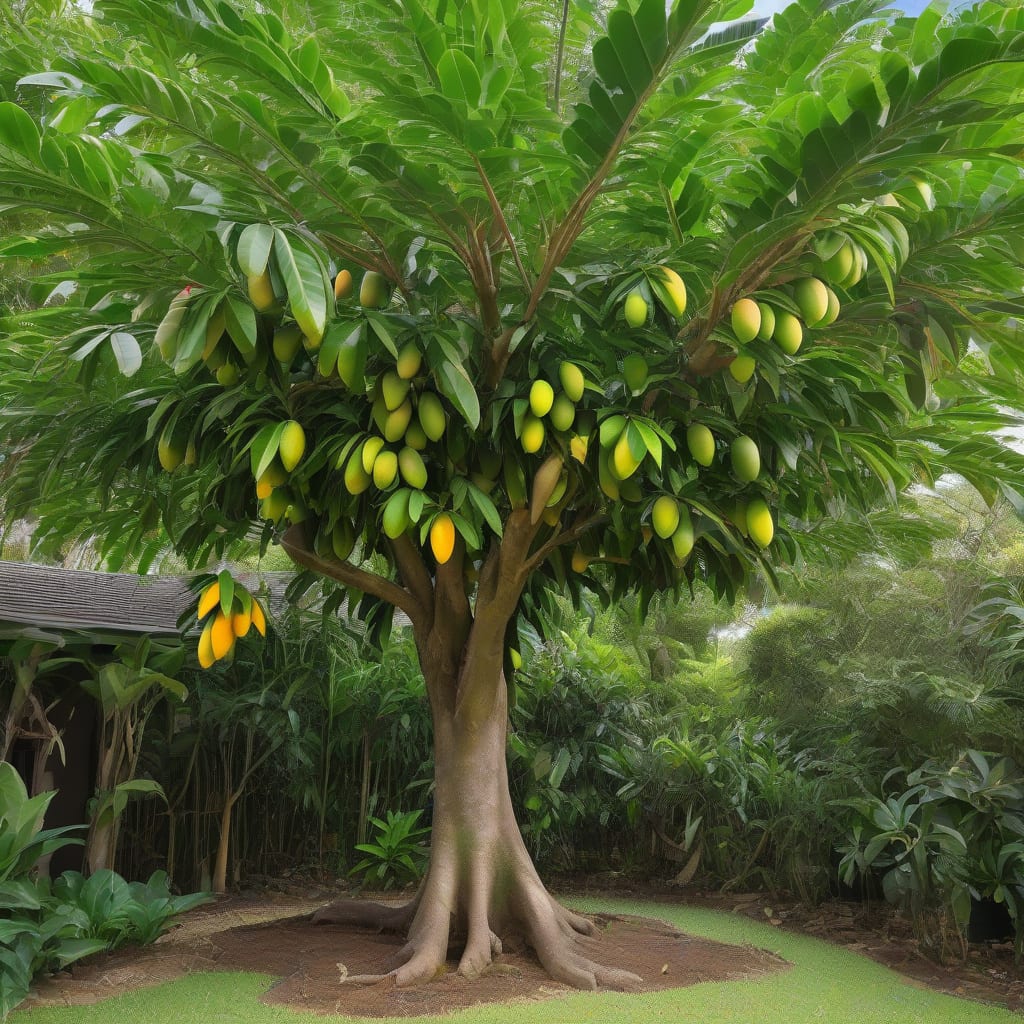
I’ve always been fascinated by the majestic Mango Tree 🥭, which can grow to varying heights depending on factors like climate and pruning practices. Understanding how tall these trees can grow is essential for gardeners looking to cultivate them.
In USDA Zone 10b, Mango Trees can reach impressive heights, making them a stunning addition to any landscape. Let’s explore the factors that influence their growth and how you can encourage your tree to thrive.


Mango trees are known for their impressive height, but several factors influence how tall they can grow. Understanding these factors is crucial for gardeners looking to cultivate healthy and productive trees.
The variety of mango tree plays a significant role in determining its height. Some varieties are naturally more compact, while others can grow quite tall. For example, dwarf mango trees typically reach heights of 10-15 feet, making them ideal for smaller gardens or containers.
Climate is another critical factor affecting mango tree height. Trees grown in ideal tropical conditions with plenty of sunlight can reach their maximum potential height, often you can expect a mature mango tree to grow between 30 to 100 feet tall.
Soil quality is also essential, as mango trees prefer well-draining soil rich in organic matter. Proper soil conditions support healthy root development, which in turn promotes vertical growth. 🌱
In addition to variety and environmental factors, cultivation practices such as pruning and fertilization play a crucial role in determining the height of mango trees. Regular pruning helps maintain a desired shape and size, while fertilization provides essential nutrients for growth.
Understanding these factors can help gardeners make informed decisions when planting and caring for their mango trees, ensuring they reach their full potential height.
By considering the impact of variety, climate, soil quality, and cultivation practices, gardeners can better understand how tall their mango trees can grow and take steps to promote healthy vertical growth.
With proper care and attention, mango trees can thrive and become a beautiful addition to any landscape, providing shade, fruit, and aesthetic appeal for years to come.
To help your mango tree reach its maximum height, it’s essential to provide optimal growing conditions and follow expert care tips. Proper care can significantly impact the tree’s overall health and vertical growth.
One of the most critical factors in promoting healthy growth is regular pruning. Pruning helps maintain the tree’s shape, encourages new growth, and removes any dead or diseased branches that could hinder development.
Prune your mango tree annually to maintain its shape and promote healthy growth. Remove any dead or diseased branches, and thin out the center to allow for better air circulation.
Use a balanced fertilizer (10-10-10 NPK) during the growing season to provide essential nutrients for growth. Fertilize every 4-6 weeks, following the manufacturer’s instructions.
Mango trees prefer consistent moisture, especially when they’re producing fruit. Water your tree deeply once or twice a week, depending on weather conditions.
In addition to these expert tips, it’s crucial to monitor your tree’s health and address any potential issues promptly. Regularly inspect your tree for signs of pests or diseases, and take action if necessary.
By following these guidelines and providing your mango tree with the care it needs, you can help it reach its full potential height and enjoy a bountiful harvest for years to come 🌴.
With the right care and attention, your mango tree can become a stunning addition to your landscape, providing shade, fruit, and beauty for generations to come.
Proper care and maintenance are key to maximizing your mango tree’s height and overall health.
When growing mango trees in limited spaces, selecting the right variety is crucial. Dwarf mango trees are an excellent choice for smaller gardens or containers, as they naturally grow to a more compact size.
Dwarf mango trees offer several advantages for gardeners with limited space. They are more manageable and can thrive in containers, making them ideal for urban gardening or small backyard spaces.
In addition to selecting a dwarf variety, techniques such as regular pruning can help control the tree’s size and maintain its shape. This is particularly useful for keeping the tree compact and promoting healthy growth.
By choosing the right variety and employing proper care techniques, gardeners can successfully grow mango trees even in limited spaces, enjoying the benefits of fresh fruit and a beautiful landscape 🌴.
With proper care, dwarf mango trees can produce delicious fruit and add aesthetic value to any garden or landscape.
