
Beautiful Plants For Your Interior
Beautiful Plants For Your Interior
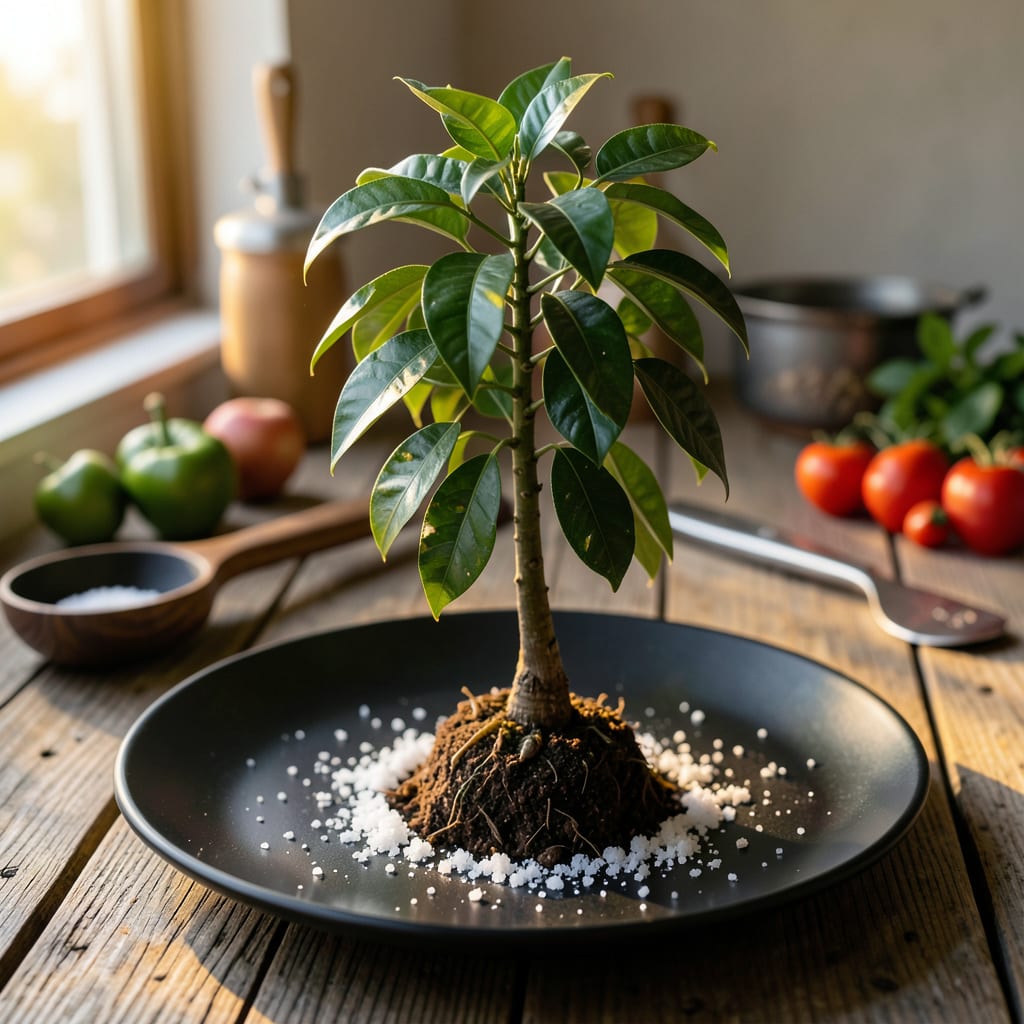
I’ve always been fascinated by the majestic Mango Tree 🥭, known for its impressive height and bountiful harvests. Growing in USDA Zone 10b, these trees can become a stunning centerpiece in any garden.
Understanding how tall they can grow is crucial for planning your garden space. Let’s explore the factors that influence their height and what you can expect from these magnificent trees.

6 ft

12 ft

20 ft

60-100 ft
Mango trees are known for their impressive height, but several factors influence how tall they can actually grow. The variety of mango tree plays a significant role, with some dwarf varieties staying much shorter than standard trees. Climate conditions, particularly temperature and sunlight, also impact growth, as mango trees thrive in warm, sunny environments 🌞.
Soil quality and watering practices are equally important. Mango trees prefer well-draining soil and consistent moisture, especially when they’re young. Proper cultivation practices, including pruning and fertilization, can also affect their ultimate height 🌟.
The ideal conditions for mango tree growth include full sun exposure and well-draining soil. Mango trees are typically hardy in USDA Zone 10b, where they can thrive with proper care 🌿.
Watering needs vary by season, with more frequent watering during the growing season (spring and summer) and less during the dormant season (winter). Proper fertilization is also crucial, with a balanced fertilizer applied every 4-6 weeks during the growing season 📅.
Mango trees can grow quite tall, with mature heights ranging from 60 to 100 feet for standard varieties. Dwarf varieties, on the other hand, typically reach heights of 10-15 feet, making them suitable for smaller gardens 🌳.
Pruning is an essential practice for managing the height of mango trees, especially in home gardens. Regular pruning helps maintain a desired height and promotes a healthy, balanced structure ✂️.
In addition to pruning, training young mango trees can help establish a strong framework. This involves selecting a central leader and lateral branches to form the basic structure of the tree 🌲.
By understanding these factors and implementing proper care techniques, you can successfully grow a mango tree that thrives in your garden, whether you prefer a compact dwarf variety or a majestic standard tree 🌴.
Regular maintenance, including monitoring for pests and diseases, is also vital for the health and productivity of your mango tree. This proactive approach ensures your tree remains vigorous and continues to produce delicious fruit 🍊.
Overall, the height of a mango tree is influenced by a combination of genetic and environmental factors, as well as the care it receives. By optimizing these elements, you can help your mango tree reach its full potential and enjoy a bountiful harvest for years to come 🌟.
Mango trees come in various types, each with its own growth characteristics. The height potential of these trees can vary significantly based on their variety 🌳.
Standard mango trees are known for their impressive size, often reaching heights of 60 to 100 feet. In contrast, dwarf varieties are more compact, typically growing to be around 10 to 15 feet tall 🌟.
The maximum height of a mango tree is largely determined by its genetic makeup. Standard varieties tend to grow much taller than their dwarf counterparts 🌲.
Grafted mango trees can also vary in height, depending on the rootstock used. Some grafted trees may remain more compact, while others can grow quite tall 🌿.
When selecting a mango tree variety, it’s essential to consider the available space in your garden. Choosing a variety that fits your space ensures a healthier tree and easier maintenance 🏠.
Dwarf and semi-dwarf varieties are ideal for smaller gardens or container growing. They offer the advantage of being more manageable while still producing delicious fruit 🍊.
In addition to variety, cultivation practices such as pruning and training can influence the ultimate height of your mango tree. Regular pruning helps maintain a desired height and promotes a balanced structure ✂️.
By understanding the growth potential of different mango tree varieties, you can make informed decisions for your garden and enjoy the benefits of growing these wonderful trees 🌴.
I find that managing the height of mango trees in home gardens is crucial for maintaining a healthy and productive tree, especially in limited spaces. The key is to understand the growth habits of your mango tree variety and implement proper pruning techniques 🌳.
Prune your mango tree annually to maintain its shape and promote fruiting. Remove dead or diseased branches, and thin out the center to allow sunlight to penetrate ✂️.
Pruning is essential for controlling the height of mango trees. By pruning regularly, you can maintain a desired height and encourage a balanced structure. This also helps in promoting fruit production and overall tree health 🌟.
Training young mango trees is another effective method for managing their height. By selecting a central leader and lateral branches, you can establish a strong framework for the tree. This early training makes future pruning easier and more effective 🌲.
For home gardeners, dwarf and semi-dwarf mango varieties are excellent choices. These varieties naturally grow to a more manageable size, making them perfect for smaller gardens or even container growing 🍊.
In addition to pruning and training, regular maintenance is vital. This includes monitoring for pests and diseases, ensuring proper nutrition, and maintaining adequate watering practices. A well-cared-for mango tree will be healthier and more productive 🌱.
By implementing these strategies, you can effectively manage the height of your mango tree and enjoy its many benefits, from delicious fruit to a beautiful landscape feature 🌴.
