
Beautiful Plants For Your Interior
Beautiful Plants For Your Interior
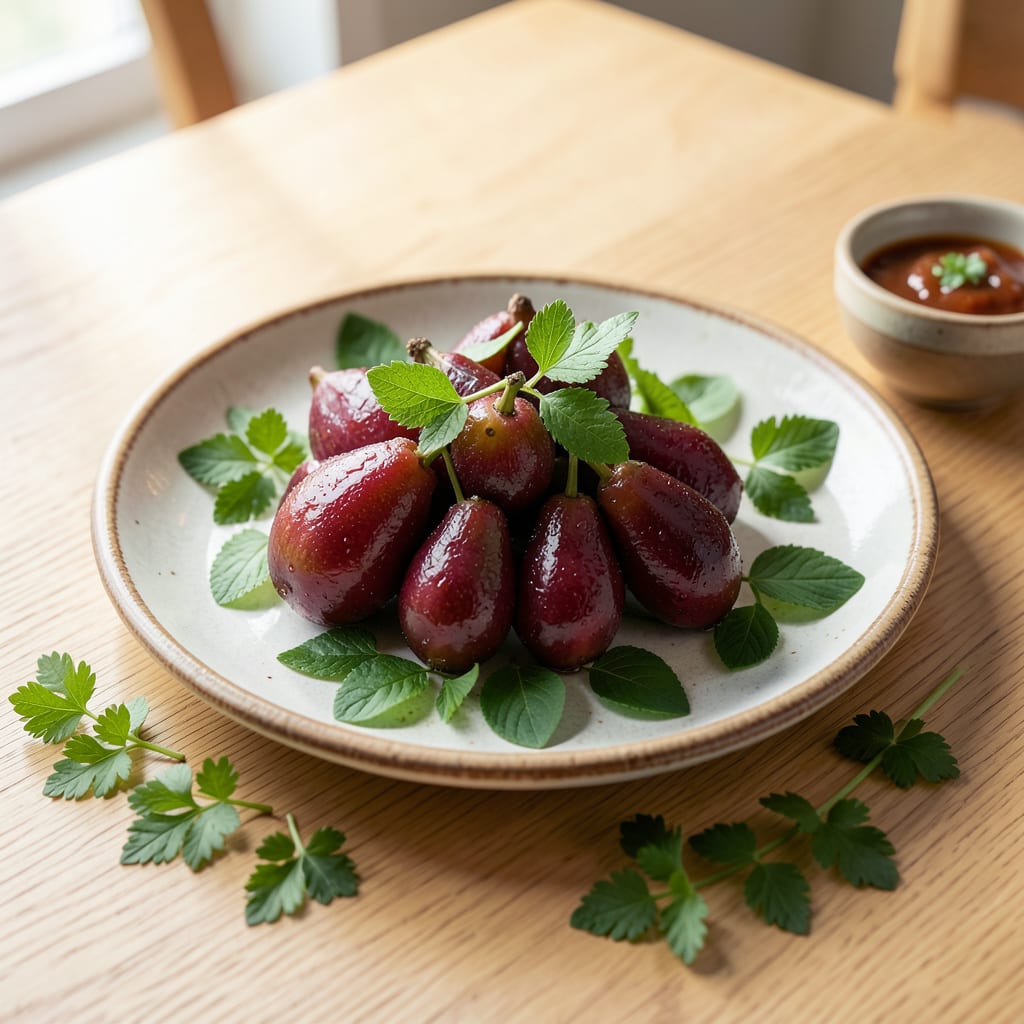
Fertilizing your Fruit Tree 🍎 at the right time is crucial for a bountiful harvest. In USDA Zone 6, the ideal times to fertilize are during early spring and fall, when the tree is most receptive to nutrients.
Understanding the specific needs of your Fruit Tree will help you make informed decisions about fertilization, ensuring optimal growth and fruit production. Let’s explore the best practices for fertilizing your Fruit Tree.

Fertilizing fruit trees at the right time is crucial for maximizing yields and maintaining tree health throughout the growing season. The timing of fertilization depends on the tree’s growth stage and nutrient requirements. In general, fruit trees benefit from fertilization during periods of active growth.
I recommend fertilizing your fruit trees during the early spring and fall seasons. These periods coincide with the tree’s natural growth cycles, allowing for optimal nutrient uptake and utilization. By fertilizing during these times, you can promote healthy growth, fruit production, and overall tree well-being 🌟.
Understanding the seasonal growth patterns of your fruit trees is essential for effective fertilization. By aligning your fertilization schedule with the tree’s natural cycles, you can maximize the benefits of fertilization and promote overall tree health 🌱.
The type of fertilizer used is also critical. A balanced fertilizer with an NPK ratio of 10-10-10 is generally recommended for fruit trees. However, specific nutrient requirements may vary depending on the tree variety and soil conditions.
It’s essential to follow the recommended application rates for fertilization to avoid over-fertilizing, which can harm the tree and the environment. Always consult the manufacturer’s instructions and consider having your soil tested to determine its nutrient content.
Soil conditions play a significant role in fertilization. Fruit trees growing in poor soil may require more frequent fertilization, while those in fertile soil may need less. Regular soil testing can help you adjust your fertilization strategy accordingly.
In addition to fertilization, proper watering and pruning practices are vital for maintaining healthy fruit trees. Ensure your trees receive adequate moisture, especially during the first year after planting, and prune them annually to promote healthy growth and fruit production 💧.
By following these guidelines and considering the specific needs of your fruit trees, you can create a fertilization schedule that supports their growth and productivity throughout the year.
For more specific advice tailored to your climate and tree variety, consider consulting with a local gardening expert or extension service. They can provide valuable insights and recommendations based on your region’s unique conditions 📚.
Remember, the key to successful fertilization is timing and balance. By fertilizing at the right times and using the right type and amount of fertilizer, you can enjoy a bountiful harvest from your fruit trees.
Fertilizing different types of fruit trees requires understanding their unique nutritional needs. The type of fruit tree you’re growing will determine the best fertilization strategy. For example, apple trees have different requirements compared to citrus or stone fruit trees 🌳.
I recommend researching the specific needs of your fruit tree variety to ensure you’re providing the right nutrients at the right time. Some fruit trees may require more frequent fertilization, while others may need specialized nutrients.
Understanding these differences is key to creating an effective fertilization plan. By tailoring your approach to the specific needs of your fruit trees, you can promote healthy growth and maximize fruit production 📈.
Fertilizer application rates also vary by tree type. It’s essential to follow the recommended rates for your specific tree variety to avoid under or over-fertilizing.
Additionally, consider factors like soil type and climate when developing your fertilization strategy. These factors can impact nutrient availability and tree health.
For optimal results, consider consulting with a local gardening expert or extension service. They can provide personalized advice based on your region’s specific conditions and help you develop a tailored fertilization plan 📚.
By combining the right fertilization strategy with proper care practices like watering and pruning, you can enjoy a thriving and productive fruit tree garden.
Fertilizing fruit trees can be a complex process, and making mistakes can have significant consequences for tree health and productivity. One of the most critical errors is over-fertilization, which can damage the tree and the environment 🌳.
I recommend being cautious when fertilizing your fruit trees to avoid common pitfalls. Understanding the nutrient needs of your trees and following recommended application rates are crucial for successful fertilization.
Over-fertilization can cause nutrient imbalances and damage to the tree. Always follow recommended application rates and consider soil testing to determine nutrient needs.
Timing is everything when it comes to fertilizing fruit trees. Fertilizing at the wrong time can be ineffective or even harmful. For example, fertilizing during the dormant season can be a waste of resources, as the tree is not actively growing 🌱.
Soil conditions also play a significant role in fertilization. Fruit trees growing in poor soil may require more frequent fertilization, while those in fertile soil may need less. Regular soil testing can help you adjust your fertilization strategy accordingly.
By avoiding common fertilization mistakes and following best practices, you can promote healthy growth and maximize fruit production from your trees.
For more specific advice tailored to your climate and tree variety, consider consulting with a local gardening expert or extension service. They can provide valuable insights and recommendations based on your region’s unique conditions.
Fertilizing fruit trees requires careful consideration of multiple factors. By understanding these factors and avoiding common mistakes, you can create a fertilization plan that supports the health and productivity of your trees.
Fertilize your fruit trees during early spring and fall for optimal growth and fruit production. These periods coincide with the tree’s natural growth cycles, allowing for maximum nutrient uptake and utilization .
Fertilize your fruit trees every 4-6 weeks during the growing season, typically from March to October. Adjust the frequency based on the tree’s age, soil quality, and specific nutrient needs.
A balanced fertilizer with an NPK ratio of 10-10-10 is generally recommended for fruit trees. However, specific nutrient requirements may vary depending on the tree variety and soil conditions.
Avoid heavy fertilization during the hottest summer months to prevent over-fertilization. Instead, continue with light feeding to maintain growth and support fruiting.
