
Beautiful Plants For Your Interior
Beautiful Plants For Your Interior
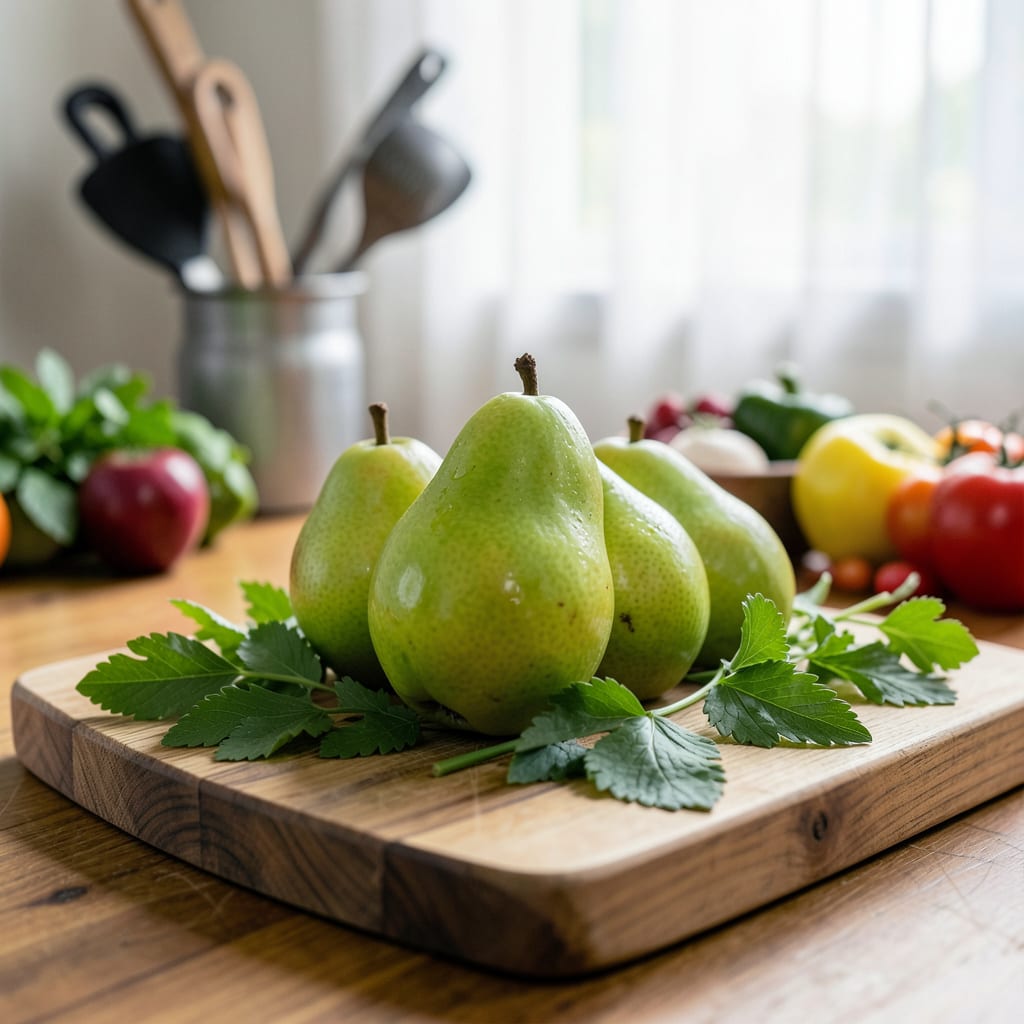
Fertilizing your 🍐 Pear Tree at the right time is crucial for its health and productivity. In USDA Zone 6, early spring is typically the best time to fertilize, just before new growth begins.
Proper timing ensures better fruit quality and tree vigor throughout the growing season. I’ll guide you through the optimal fertilization schedule and key factors to consider for your tree’s success.

Fertilizing pear trees at the right time is crucial for their health and productivity. In USDA Zone 6, the ideal time to fertilize pear trees is in early spring, just before new growth begins. This timing ensures that the tree receives the necessary nutrients for optimal growth and fruit production throughout the growing season 🌐.
The specific fertilization schedule can vary depending on factors such as soil type, tree age, and climate conditions. Understanding these factors will help you determine the best fertilization plan for your pear tree.
Understanding the seasonal fertilization schedule is key to maintaining your pear tree’s health. By following this guideline, you can ensure your tree receives the necessary nutrients at the right times, promoting optimal growth and fruit production 🌼.
For younger trees, more frequent fertilization may be necessary during the growing season. Typically, fertilize every 4-6 weeks from early spring to late summer. However, always check the specific needs of your tree variety and adjust accordingly 📆.
Soil testing is crucial to determine the exact fertilization needs of your pear tree. A soil test can help identify nutrient deficiencies and guide your fertilization decisions, ensuring you provide the right nutrients in the correct amounts 🌱.
When selecting a fertilizer, choose a balanced formula like 10-10-10 NPK. This provides equal parts nitrogen, phosphorus, and potassium, supporting overall tree health and fruit production. Always follow the manufacturer’s instructions for application rates to avoid over-fertilization 📦.
By carefully following these guidelines and understanding your tree’s specific needs, you can optimize your fertilization strategy for the best possible results. This will help ensure your pear tree remains healthy and productive for years to come 🌟.
Regular monitoring of your tree’s response to fertilization is important. Look for signs of nutrient deficiencies or excesses, such as yellowing leaves or stunted growth, and adjust your fertilization plan as needed 🔍.
Combining proper fertilization with other good gardening practices, such as regular watering and pruning, will further enhance your pear tree’s health and productivity. This holistic approach to tree care will help you achieve the best possible outcomes for your garden 🌐.
For more detailed information on caring for your pear tree, including additional tips on fertilization and other aspects of tree care, be sure to explore further resources. This will help you stay informed and make the best decisions for your garden’s success 📚.
Fertilizing pear trees correctly is crucial for achieving maximum yield and maintaining tree health. I’ll guide you through the practical steps and considerations for effective fertilization 🌟.
First, it’s essential to test your soil to determine its nutrient content and pH level. This information will help you choose the right fertilizer and application rate. You can purchase a soil testing kit or consult a local gardening expert for assistance 📦.
When fertilizing, avoid applying fertilizer too close to the trunk. Instead, spread it evenly across the drip line – the area under the tree’s canopy where water drips from the leaves 🌿.
When selecting a fertilizer, opt for a balanced formula like 10-10-10 NPK. This provides equal parts nitrogen, phosphorus, and potassium, supporting overall tree health and fruit production. Be sure to follow the manufacturer’s instructions for application rates to avoid over-fertilization 📝.
The timing of fertilization is also critical. As previously discussed, early spring is typically the best time to fertilize pear trees in USDA Zone 6. However, the specific timing may vary depending on your tree’s age, soil type, and climate conditions ⏰.
For younger trees, more frequent fertilization may be necessary during the growing season. Typically, fertilize every 4-6 weeks from early spring to late summer. Monitor your tree’s response and adjust the fertilization schedule as needed 🔄.
Application methods can vary, but a common approach is to spread the fertilizer granules evenly over the soil surface within the drip line. After application, water the area thoroughly to help the nutrients penetrate the soil 💧.
It’s also important to be aware of common fertilization mistakes. Avoid over-fertilizing, as this can lead to excessive vegetative growth at the expense of fruit production. Similarly, under-fertilizing can result in nutrient deficiencies that negatively impact tree health 🚫.
By following these guidelines and being mindful of your pear tree’s specific needs, you can optimize your fertilization strategy for the best possible results. This will help ensure your tree remains healthy and productive for years to come 🌟.
Regular monitoring of your tree’s response to fertilization is crucial. Look for signs of nutrient deficiencies or excesses, such as yellowing leaves or stunted growth, and adjust your fertilization plan accordingly 🔍.
Fertilizing pear trees requires careful consideration to avoid common mistakes that can harm the tree’s health and productivity. I’ll outline the key errors to watch out for and how to correct them 🚫.
One of the most significant mistakes is over-fertilization. Applying too much fertilizer can lead to excessive vegetative growth, reducing fruit production and potentially causing nutrient imbalances. To avoid this, always follow the recommended application rates and consider soil test results 📝.
Be cautious of over-fertilization as it can damage your pear tree. Monitor your tree’s response to fertilization and adjust your strategy accordingly 🔍.
Under-fertilization is another common issue. Failing to provide adequate nutrients can result in stunted growth and poor fruit quality. Regular soil testing can help identify nutrient deficiencies, allowing you to adjust your fertilization plan 🌱.
The timing of fertilization is also critical. Fertilizing at the wrong time can stress the tree or reduce its effectiveness. As discussed earlier, early spring is typically the best time to fertilize pear trees in USDA Zone 6 ⏰.
Soil testing is essential to determine the specific fertilization needs of your pear tree. A soil test can help identify nutrient deficiencies and guide your fertilization decisions, ensuring you provide the right nutrients in the correct amounts 📊.
By being aware of these common fertilization mistakes and taking steps to avoid them, you can help ensure your pear tree remains healthy and productive. Regular monitoring and adjustments to your fertilization strategy will contribute to the long-term success of your tree 🌟.
Combining proper fertilization practices with other good gardening habits, such as regular watering and pruning, will further enhance your pear tree’s health and productivity. This comprehensive approach to tree care will help you achieve the best possible outcomes for your garden 🌐.
For more detailed information on caring for your pear tree, including additional tips on fertilization and other aspects of tree care, be sure to explore further resources. This will help you stay informed and make the best decisions for your garden’s success 📚.
Fertilize your pear tree every 4-6 weeks during the growing season, typically from early spring to late summer. The exact frequency depends on the tree’s age and soil conditions. Younger trees require more frequent fertilization.
A balanced fertilizer with an NPK ratio of 10-10-10 is ideal for pear trees. This provides equal parts nitrogen, phosphorus, and potassium, supporting overall tree health and fruit production. Always follow the manufacturer’s instructions for application rates.
No, it’s best to avoid fertilizing your pear tree in the fall. Fertilizing too close to winter can stimulate new growth that may not have time to harden off before frost, making the tree more vulnerable to cold damage.
Monitor your tree’s response to fertilization by looking for signs of nutrient deficiencies or excesses, such as yellowing leaves or stunted growth. Regular soil testing can also help identify nutrient deficiencies and guide your fertilization decisions.
