
Beautiful Plants For Your Interior
Beautiful Plants For Your Interior
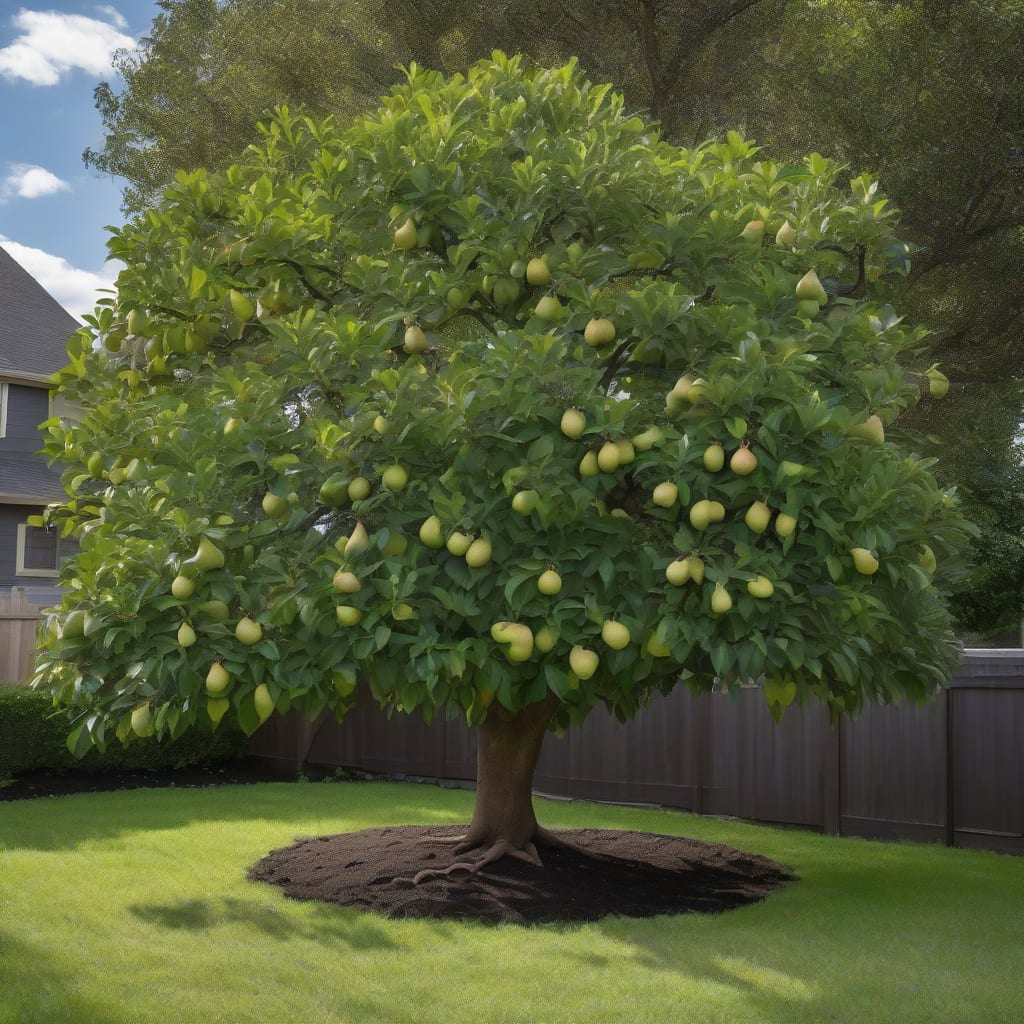
When planting a 🍐 Pear Tree, understanding its potential height is crucial for proper garden planning. The mature height can vary significantly based on factors like variety and growing conditions.
In USDA Zone 6, you can expect a standard Pear Tree to grow between 20-30 feet tall, while dwarf varieties typically reach 8-12 feet. Proper pruning and care can help manage the tree’s size and ensure optimal growth.


Pear tree height is influenced by multiple factors that gardeners should consider when planning their orchard or landscape. The variety of pear tree plays a crucial role, with different types having distinct growth patterns and mature heights. For instance, dwarf varieties typically grow to be 8-12 feet tall, while standard varieties can reach heights of 20-30 feet or more.
The rootstock is another critical factor that affects pear tree height. Rootstocks can be classified into different categories based on their vigor, ranging from dwarfing rootstocks that restrict tree growth to vigorous rootstocks that promote larger trees. The choice of rootstock can significantly impact the overall height and spread of the tree 🌳.
Climate conditions also significantly influence pear tree growth. Pear trees generally thrive in temperate climates with adequate chill hours and full sun exposure. The specific climate requirements can vary depending on the variety, but most pear trees prefer full sun and well-drained soil to grow optimally 🌞.
Soil conditions are equally important for determining the height and health of a pear tree. Pear trees prefer well-drained, fertile soil with a pH between 6.0 and 6.5. Poor soil quality can limit tree growth and affect overall health 🌱.
Pruning practices play a vital role in managing pear tree height. Regular pruning not only helps control the tree’s size but also promotes healthy growth and fruit production. Proper pruning techniques can help maintain a balanced structure and encourage optimal fruiting 🔄.
Understanding these factors is essential for gardeners to make informed decisions when planting and caring for pear trees. By considering the variety, rootstock, climate, soil conditions, and pruning practices, gardeners can better manage the height and overall health of their pear trees 🌳.
The interplay between these factors can be complex, and gardeners should be aware of how they interact to affect tree growth. For example, a pear tree on a dwarfing rootstock may require more frequent pruning to maintain its shape and promote fruiting 🌟.
By carefully managing these factors, gardeners can cultivate healthy, productive pear trees that thrive in their specific growing conditions. Regular monitoring and adjustments to care practices can help ensure optimal growth and fruit production 📈.
In conclusion, the height of a pear tree is determined by a combination of genetic and environmental factors. By understanding and managing these factors, gardeners can grow pear trees that are both productive and well-suited to their garden space 🌿.
Effective management of pear tree height requires ongoing care and attention. Gardeners should regularly inspect their trees and adjust their care practices as needed to promote healthy growth and optimal fruit production 🔍.
Pear trees come in various sizes, depending on the specific variety and rootstock used. Understanding the mature height of different pear tree types is essential for proper garden planning and management.
The height of pear trees can vary significantly across different varieties. Dwarf pear trees typically grow to be between 8-12 feet tall, making them ideal for smaller gardens or spaces where a compact tree is desired 🌳.
Semi-dwarf pear trees fall between dwarf and standard varieties in terms of height, typically growing to be between 12-18 feet tall. This makes them a good choice for gardeners who need a tree that’s larger than a dwarf variety but still relatively compact 🌲.
Standard pear trees are the tallest, reaching heights of 20-30 feet or more. These trees are best suited for large gardens or orchards where space is not a limiting factor 🌳.
The choice of pear tree variety should be based on the available space in the garden, as well as the desired level of maintenance and fruit production. By selecting the right variety, gardeners can ensure their pear tree thrives and provides a bountiful harvest for years to come 📈.
When planning a pear orchard or garden, it’s essential to consider the mature height of the trees to ensure proper spacing and management. Proper planning can help prevent overcrowding and promote healthy growth 🌿.
In summary, understanding the average height range for different pear tree varieties is crucial for effective garden planning. By choosing the right variety for the available space, gardeners can enjoy a productive and well-managed pear orchard 🌸.
Proper pruning and training are essential for maintaining the desired height of pear trees while promoting healthy growth and fruit production. Regular pruning helps control the tree’s size, encourages fruiting, and removes any dead or diseased branches 🔄.
Prune annually during the dormant season to maintain shape and promote fruiting
Remove vigorous vertical shoots to control height and encourage lateral growth
Thin the center to allow sunlight penetration and air circulation
Training young pear trees is crucial for establishing a strong structure that will support future growth and fruit production. Proper training involves selecting strong lateral branches and removing any competing leaders 🌳.
For dwarf and semi-dwarf varieties, regular pruning is essential to maintain their compact size. These trees typically require more frequent pruning to keep them within the desired height range 🌲.
Espalier training is another effective method for controlling pear tree height, especially in limited spaces. This technique involves training the tree to grow flat against a wall or trellis, making it ideal for small gardens or urban settings 🏠.
By implementing proper pruning and training techniques, gardeners can effectively manage the height of their pear trees while promoting healthy growth and maximizing fruit production 📈.
