
Beautiful Plants For Your Interior
Beautiful Plants For Your Interior
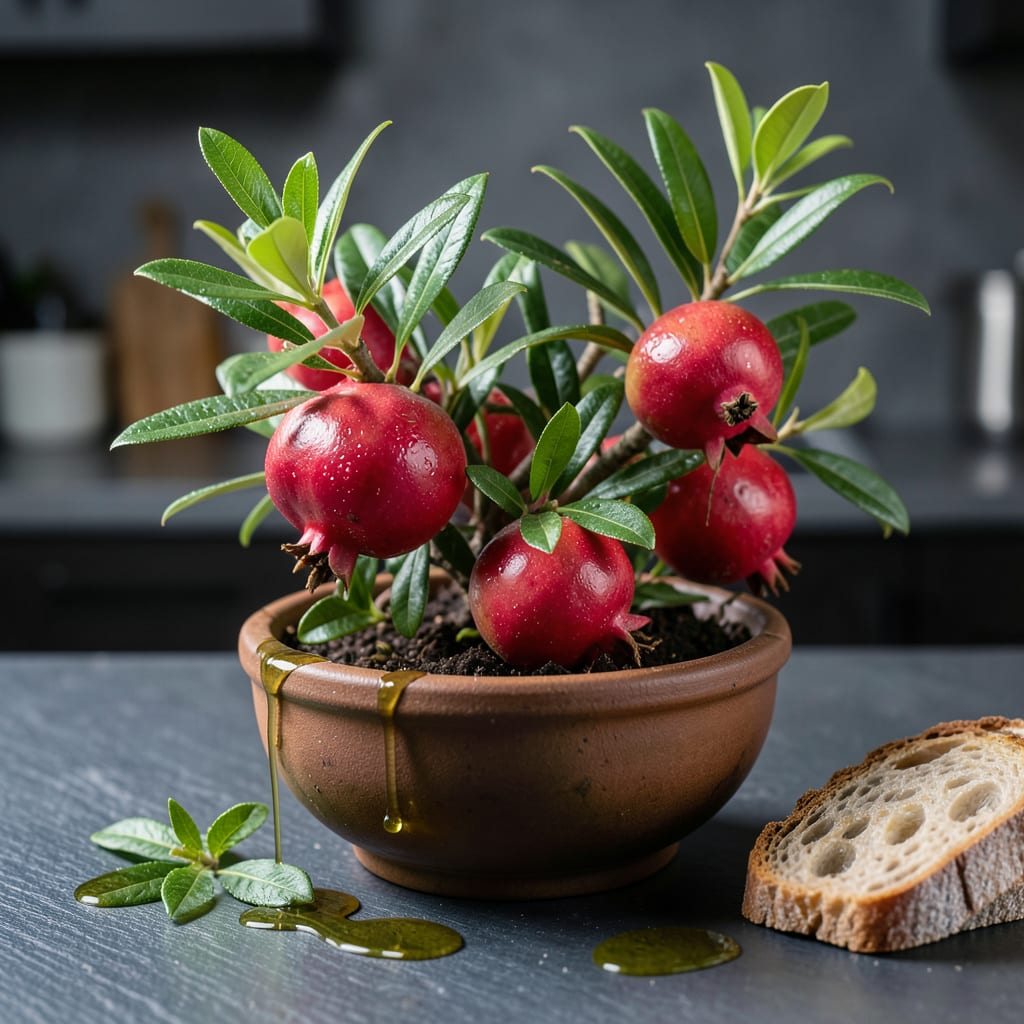
As I tend to my Pomegranate Tree 🍊 in USDA Zone 6, I’ve learned that timing is everything when it comes to fertilization. Fertilizing at the right moment can make all the difference in promoting healthy growth and maximizing fruit production.
In this guide, I’ll share expert tips on when to fertilize your Pomegranate Tree for optimal results. Whether you’re a seasoned gardener or just starting out, you’ll discover the best times to feed your tree and how to do it effectively.

Fertilizing pomegranate trees at the right time is crucial for their health and fruit production. In USDA Zone 6, where pomegranate trees typically thrive, understanding the seasonal fertilization schedule is key to promoting optimal growth and fruiting.
The ideal fertilization period for pomegranate trees begins in early spring, just as new growth starts to emerge. This initial feeding sets the stage for a healthy growing season. I recommend using a balanced fertilizer with an NPK ratio of 10-10-10 to provide essential nutrients.
Understanding this seasonal fertilization schedule helps ensure your pomegranate tree receives the nutrients it needs at the right times. By following this schedule, you can promote healthy growth and maximize fruit production 🌼
The key fertilization periods for pomegranate trees are in early spring and late spring, with continued light feeding during summer. This approach supports the tree’s growth cycle and fruit development. I recommend keeping a fertilization calendar to track these important dates and ensure your tree gets the nutrients it needs throughout the growing season.
During the active growing season (spring and summer), pomegranate trees benefit from regular fertilization. However, it’s essential to avoid over-fertilization, as this can lead to excessive vegetative growth at the expense of fruit production. A balanced fertilizer applied at the right times provides the necessary nutrients without causing harm.
As we move into fall and winter, it’s crucial to stop fertilizing pomegranate trees. This allows the trees to harden off and prepare for dormancy, reducing the risk of cold damage and promoting overall tree health.
In addition to following the seasonal fertilization schedule, there are other factors to consider when fertilizing pomegranate trees. Soil type and condition play a significant role in how well the tree can absorb nutrients. I recommend conducting a soil test to determine your soil’s nutrient content and pH level.
Based on the soil test results, you may need to adjust your fertilization strategy. For example, if your soil is deficient in a particular nutrient, you can choose a fertilizer that addresses this deficiency. It’s also important to consider the age of your pomegranate tree, as younger trees may require more frequent fertilization than mature trees.
By combining the seasonal fertilization schedule with a soil testing regimen and considering the age of your tree, you can create a comprehensive fertilization plan that supports the health and productivity of your pomegranate tree.
When applying fertilizer, be sure to follow the manufacturer’s instructions for the correct application rate. Over-fertilization can be harmful, so it’s better to err on the side of caution. I also recommend watering your tree well after fertilizing to help the nutrients reach the root zone.
By following these guidelines and staying committed to your fertilization schedule, you can enjoy a bountiful harvest of delicious pomegranates from your healthy, thriving tree. Happy gardening! 🌻
For more information on caring for pomegranate trees, including tips on pruning, pest management, and harvesting, be sure to check out our other resources on pomegranate tree care.
Fertilizing pomegranate trees effectively requires understanding the right fertilizer types, application methods, and dosage for different tree ages and soil conditions. I’ve found that using the correct fertilizer at the right time makes a significant difference in tree health and fruit production 🌼
The first step is to choose the right fertilizer type. For pomegranate trees, a balanced fertilizer with an NPK ratio of 10-10-10 is generally recommended. This provides equal parts nitrogen, phosphorus, and potassium, supporting overall tree health and fruit development.
Measure out 1 cup of fertilizer per 10 square feet of soil area under the tree’s canopy. Adjust based on the tree’s age and soil test results.
Spread the fertilizer evenly over the soil surface under the tree’s canopy, extending to the drip line. Avoid applying fertilizer directly against the trunk.
After applying the fertilizer, water the tree thoroughly to help the nutrients reach the root zone. This ensures the fertilizer is effective and reduces the risk of burning the roots.
It’s also important to consider the age of your pomegranate tree when fertilizing. Younger trees may require more frequent fertilization to support their rapid growth, while mature trees can often get by with less frequent applications. Always follow the manufacturer’s instructions for the specific fertilizer you’re using, and adjust based on your tree’s response.
By following these effective fertilization practices, you can support the health and productivity of your pomegranate tree.
For more detailed information on pomegranate tree care, including tips on pruning and pest management, be sure to explore our other resources.
When fertilizing pomegranate trees, it’s essential to avoid common mistakes that can harm the tree’s health and reduce fruit production. One of the most significant errors is over-fertilization, which can lead to excessive vegetative growth at the expense of fruiting.
Avoid over-fertilizing pomegranate trees as it can cause more harm than good. Too much fertilizer can lead to weak tree structure and reduced fruit production.
Another mistake is using the wrong nutrient balance. Pomegranate trees benefit from a balanced fertilizer with an NPK ratio of 10-10-10. Using a fertilizer that’s too high in nitrogen can promote leaf growth at the expense of fruit production.
Timing errors are also common when fertilizing pomegranate trees. Fertilizing too late in the season can stimulate new growth that may not have time to harden off before winter, making it vulnerable to cold damage.
To avoid these mistakes, I recommend following a seasonal fertilization schedule and using a balanced fertilizer at the right times. It’s also crucial to monitor your tree’s response to fertilization and adjust your strategy as needed 🌼
By being aware of these common fertilization mistakes, you can take steps to avoid them and promote healthy growth and fruit production in your pomegranate tree.
Fertilize your pomegranate tree every 6 weeks during the growing season, starting in early spring and continuing through summer. Use a balanced fertilizer with an NPK ratio of 10-10-10.
The best time to fertilize is in the early morning when the tree is well-hydrated. This helps the nutrients reach the root zone effectively. Water thoroughly after fertilizing to prevent burning the roots.
No, it’s recommended to stop fertilizing pomegranate trees in fall to allow them to harden off before winter. Fertilizing too late can stimulate new growth that’s vulnerable to cold damage.
Use 1 cup of fertilizer per 10 square feet of soil area under the tree’s canopy. Adjust based on the tree’s age and soil test results. Always follow the manufacturer’s instructions for the specific fertilizer you’re using.
