
Beautiful Plants For Your Interior
Beautiful Plants For Your Interior
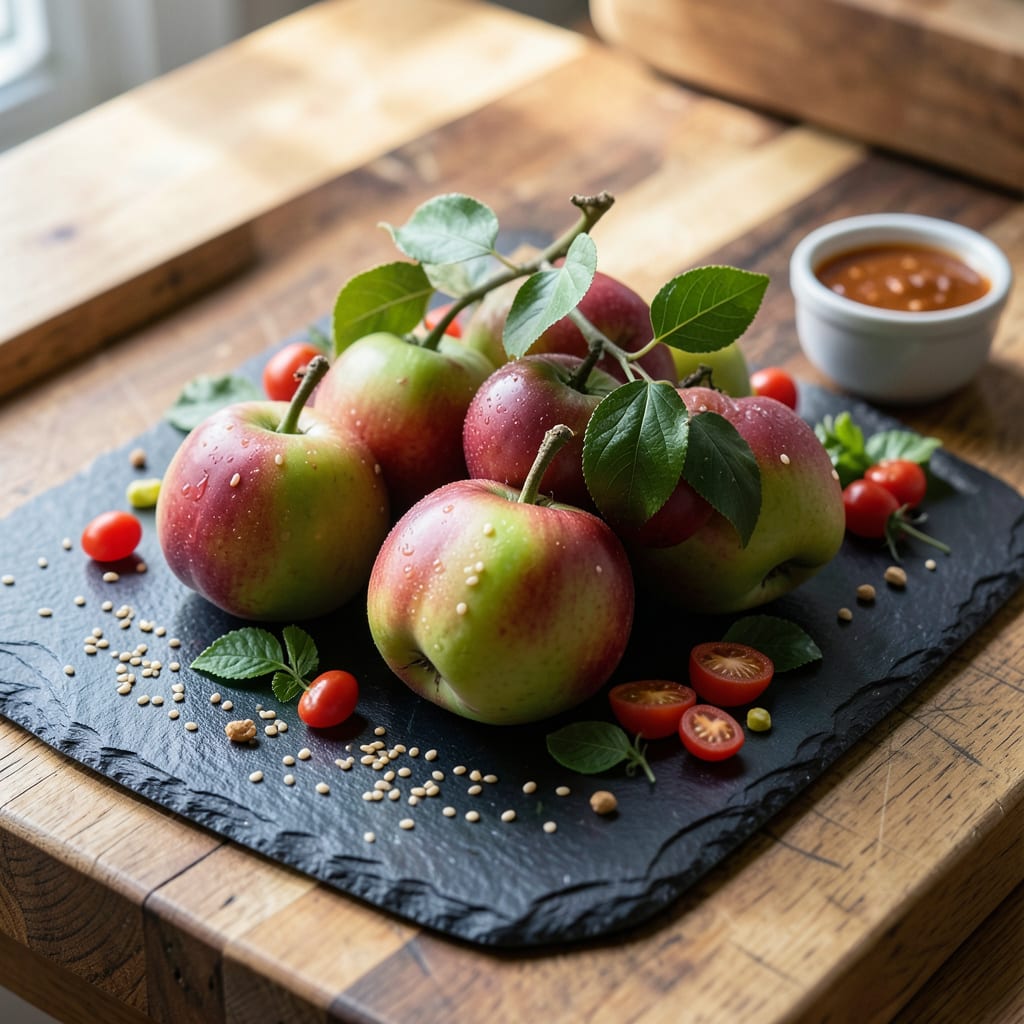
Fertilizing your 🍎 Fruit Tree in Florida at the right time is crucial for a bountiful harvest. The Sunshine State’s unique climate means you need to fertilize during specific periods to maximize yield and maintain tree health.
In Florida’s USDA zones 9-11, you’ll want to focus on spring and fall fertilizations for optimal results. Let’s explore the best times and methods to keep your Fruit Tree thriving year-round.

Fertilizing fruit trees in Florida requires understanding the state’s unique growing seasons and how they impact fertilization needs. Florida’s subtropical climate means fruit trees have different nutritional requirements throughout the year. The USDA zones 9-11 that cover most of Florida’s fruit-growing regions have distinct growing patterns that influence fertilization timing 🌴.
Florida’s fruit trees generally benefit from fertilization during periods of active growth. The ideal fertilization months are typically February, March, September, and October when trees are either coming out of dormancy or preparing for the next growth cycle. These periods coincide with the tree’s natural nutrient uptake patterns, making fertilization most effective 🌱.
The fertilizer type recommended for Florida’s fruit trees is typically a balanced 10-10-10 NPK fertilizer. This formulation provides equal parts nitrogen, N for leaf growth; phosphorus, P for root and fruit development; and potassium, K for overall plant health 🌿.
When applying fertilizer, it’s essential to follow the recommended application rates. For mature trees, start with 1-2 cups of fertilizer per tree, depending on the tree’s age and size. The fertilizer should be spread evenly under the tree’s canopy, extending from the trunk to the drip line 🌳.
Soil conditions also play a crucial role in fertilization. Florida’s soils tend to be sandy and well-draining, which can lead to nutrient leaching. Therefore, it’s advisable to fertilize in smaller, more frequent applications rather than a single large dose. This approach helps ensure that nutrients are available to the tree when needed 💧.
Monitoring tree health is vital for adjusting fertilization strategies. Look for signs of nutrient deficiencies, such as chlorosis (yellowing leaves) or poor fruit set. These indicators can signal the need for adjustments in fertilization timing or formulation 📝.
By following these guidelines and understanding the specific needs of your fruit trees, you can optimize fertilization timing and methods to promote healthy growth and maximize fruit production in Florida’s unique climate 🌴.
For more detailed information on fertilizing specific types of fruit trees in Florida, such as citrus or mangoes, refer to the next section, which provides a detailed fertilization schedule for different fruit tree varieties 📅.
The frequency of fertilization is typically every 6-8 weeks during the growing season. This frequency supports continuous growth while minimizing the risk of over-fertilization 🚨.
It’s also important to consider the age of the tree when determining fertilization frequency. Younger trees may require more frequent fertilization to support rapid growth, while mature trees may need less frequent applications 🌲.
By understanding these factors and adjusting your fertilization schedule accordingly, you can ensure your fruit trees receive the nutrients they need to thrive in Florida’s climate 🌟.
Fertilizing different types of fruit trees in Florida requires understanding their specific nutritional needs and growth patterns. Various fruit tree varieties have unique fertilization requirements based on their growth cycles and nutrient demands 🍊.
Citrus trees, for example, benefit from fertilization in February, March, September, and October. These periods coincide with their active growth phases and fruit development. Mangoes and avocados, on the other hand, have slightly different fertilization schedules due to their distinct growth patterns 🌴.
The fertilizer type used for different fruit trees can vary. While a balanced 10-10-10 NPK fertilizer is generally recommended, some trees like citrus may benefit from additional micronutrients such as magnesium and zinc 🌿.
When fertilizing, it’s crucial to follow the recommended application rates to avoid over-fertilization. The amount of fertilizer needed can depend on the tree’s age, size, and specific nutrient requirements 📏.
Soil testing is an essential step in determining the right fertilization strategy. By understanding your soil’s nutrient content and pH level, you can choose the most appropriate fertilizer formulation and application schedule 🌟.
For citrus trees, additional considerations include managing for citrus greening and other common issues in Florida. This may involve more frequent fertilization with specific nutrient formulations designed to address these challenges 🚨.
By tailoring your fertilization schedule to the specific needs of your fruit trees and monitoring their response, you can optimize their growth and fruit production in Florida’s climate 📈.
Regular soil moisture monitoring is also important when fertilizing. Proper watering helps ensure that nutrients are effectively absorbed by the tree’s roots 💧.
Adjusting your fertilization practices based on tree health indicators such as leaf color, growth rate, and fruit production can help you refine your approach over time 📊.
Fertilizing fruit trees in Florida requires more than just knowing when to apply fertilizer. It involves understanding the right fertilizer types, proper application methods, and common mistakes to avoid in the state’s unique climate 🌴.
Always test your soil before fertilizing to determine its nutrient content and pH level. This helps you choose the most appropriate fertilizer formulation and avoid over-fertilization 📊.
The type of fertilizer used for fruit trees in Florida can vary depending on the tree variety. While a balanced 10-10-10 NPK fertilizer is generally recommended, some trees like citrus may benefit from additional micronutrients such as magnesium and zinc 🌿.
Application methods are also crucial for effective fertilization. Fertilizer should be spread evenly under the tree’s canopy, from the trunk to the drip line. Avoid applying fertilizer too close to the trunk, as this can cause damage 🌳.
Common mistakes to avoid include over-fertilizing, which can lead to nutrient imbalances and environmental pollution. Always follow the recommended application rates and adjust based on tree health indicators like leaf color and fruit production 📝.
By following these key fertilization tips, you can ensure your fruit trees receive the nutrients they need to thrive in Florida’s climate, maximizing yield and maintaining overall tree health 🌟.
Fertilize your fruit trees every 6-8 weeks during the growing season, which typically includes spring and fall. This frequency supports continuous growth while minimizing the risk of over-fertilization. For specific tree types like citrus, mangoes, and avocados, adjust the schedule according to their unique needs.
A balanced 10-10-10 NPK fertilizer is generally recommended for most fruit trees in Florida. However, some trees like citrus may benefit from additional micronutrients such as magnesium and zinc. Always test your soil before fertilizing to determine its nutrient content and pH level.
While fruit trees are actively growing in summer, it’s recommended to provide light feeding during this period. Avoid heavy fertilization as it can cause stress to the trees. Instead, maintain them with lighter applications to support their continued health and growth.
Signs of over-fertilization include leaf burn, excessive vegetative growth, and reduced fruit production. Monitor your trees for these indicators and adjust your fertilization schedule accordingly. If you’re unsure, consult with a local gardening expert or extension service for guidance.
