
Beautiful Plants For Your Interior
Beautiful Plants For Your Interior
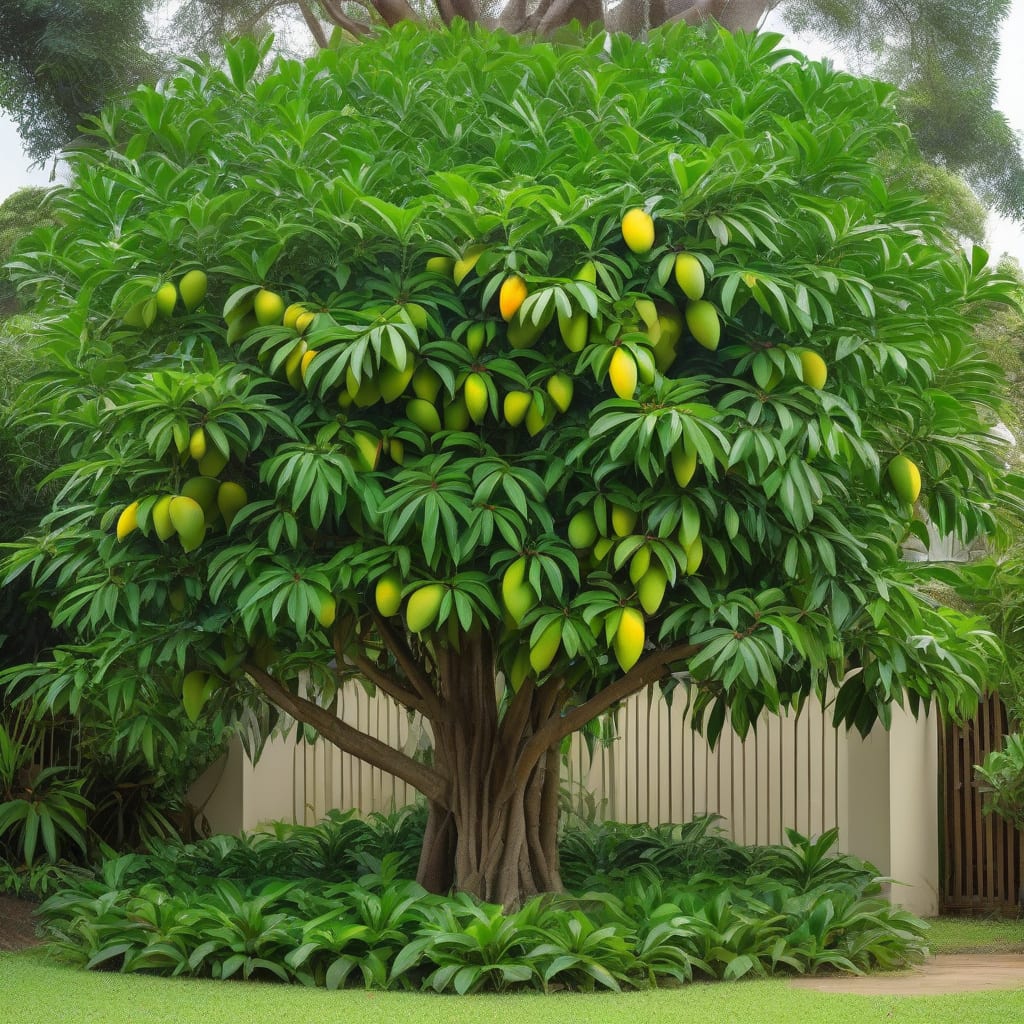
I’ve always been fascinated by the majestic Mango Tree 🥭, which can transform any garden into a tropical paradise. Growing in USDA Zone 10b, these trees can reach impressive heights, but how tall can they actually grow?
The height of a Mango Tree varies depending on factors like variety and growing conditions, with some dwarf varieties reaching 10-20 feet while standard types can soar up to 100 feet. Let’s explore what influences their growth and how to manage their height.

6 ft

12 ft

20 ft

60-100 ft
I’ve found that several key factors influence how tall a mango tree can grow. The climate plays a crucial role, as mango trees thrive in warm, tropical environments with plenty of sunlight 🌞.
The soil quality is another important factor, as mango trees prefer well-draining soil with a pH between 5.5 and 6.5. The variety of mango tree also affects its height, with some dwarf varieties growing much shorter than standard types.
Cultivation practices such as pruning, watering, and fertilization also impact a mango tree’s height. Regular pruning can help control the tree’s size, while adequate watering and fertilization promote healthy growth 🌱.
The age of the tree is another factor, as mango trees can take several years to reach their full height. With proper care and conditions, a mango tree can live for many decades and continue to produce fruit.
Understanding these factors is essential for gardeners and growers who want to optimize their mango tree’s growth and fruit production. By providing the right conditions and care, you can help your mango tree reach its full potential 🌴.
In my experience, the key to growing a healthy and productive mango tree is to be patient and provide consistent care. With time and attention, your mango tree can become a thriving and fruitful addition to your garden.
By considering these factors and providing the right conditions, you can help your mango tree grow into a strong and productive tree that provides delicious fruit for years to come.
As a gardener, it’s essential to be aware of the potential challenges that can affect your mango tree’s growth, such as pests, diseases, and nutrient deficiencies.
Regular monitoring and maintenance can help prevent these issues and ensure your tree remains healthy and productive.
By following these guidelines and providing the right care, you can enjoy a bountiful harvest from your mango tree for many years to come.
Mango trees come in various sizes, ranging from compact dwarf varieties to towering standard types. The height of a mango tree is largely determined by its genetic makeup, with different varieties exhibiting distinct growth patterns 🌳.
When considering how tall a mango tree can grow, it’s essential to understand the differences between dwarf, semi-dwarf, and standard varieties. Each type has its unique characteristics and growth habits.
The dwarf varieties are perfect for gardeners with limited space, as they can thrive in containers or small gardens. These compact trees still produce delicious fruit, making them an excellent choice for urban gardeners 🌟.
Semi-dwarf varieties offer a balance between size and fruit production, making them suitable for smaller gardens or orchards. They require less space than standard trees but still produce a significant amount of fruit.
Standard mango trees are the largest and most vigorous, often growing up to 100 feet tall. While they require more space, they can be a stunning addition to larger landscapes and provide abundant fruit for years to come 🌳.
Understanding the growth potential of different mango tree varieties is crucial for gardeners and growers to make informed decisions about which type to plant in their specific environment.
By choosing the right variety for your space and providing proper care, you can enjoy the beauty and bounty of a thriving mango tree.
In my experience, selecting the right mango tree variety is just the first step in growing a successful tree. Proper care and maintenance are also essential to ensure optimal growth and fruit production.
Regular pruning, adequate watering, and fertilization can help control the tree’s size and promote healthy growth, regardless of the variety.
I always emphasize the importance of proper pruning techniques when it comes to managing mango tree height. Regular pruning not only helps control the tree’s size but also promotes healthy growth and maximizes fruit production 🌳.
Eliminate any branches that are dead, diseased, or damaged to prevent the spread of disease and encourage healthy growth.
Selectively remove branches to allow more sunlight to penetrate and promote air circulation, which helps prevent disease.
Ensure the tree has a strong central leader to support its structure and promote upward growth.
By following these pruning steps, you can effectively manage your mango tree’s height while promoting optimal fruit production. Regular maintenance is key to keeping your tree healthy and productive 📝.
In addition to pruning, other growth management strategies include proper watering and fertilization. Mango trees require consistent moisture, especially when they’re producing fruit, so ensure you’re watering them adequately 💧.
Fertilization is also crucial for maintaining a healthy and productive mango tree. Use a balanced fertilizer during the growing season to provide essential nutrients 🌼.
By combining these techniques, you can enjoy a bountiful harvest from your mango tree while keeping its height manageable. Proper care and attention will ensure your tree remains a thriving and fruitful addition to your garden for years to come 🌴.
