
Beautiful Plants For Your Interior
Beautiful Plants For Your Interior
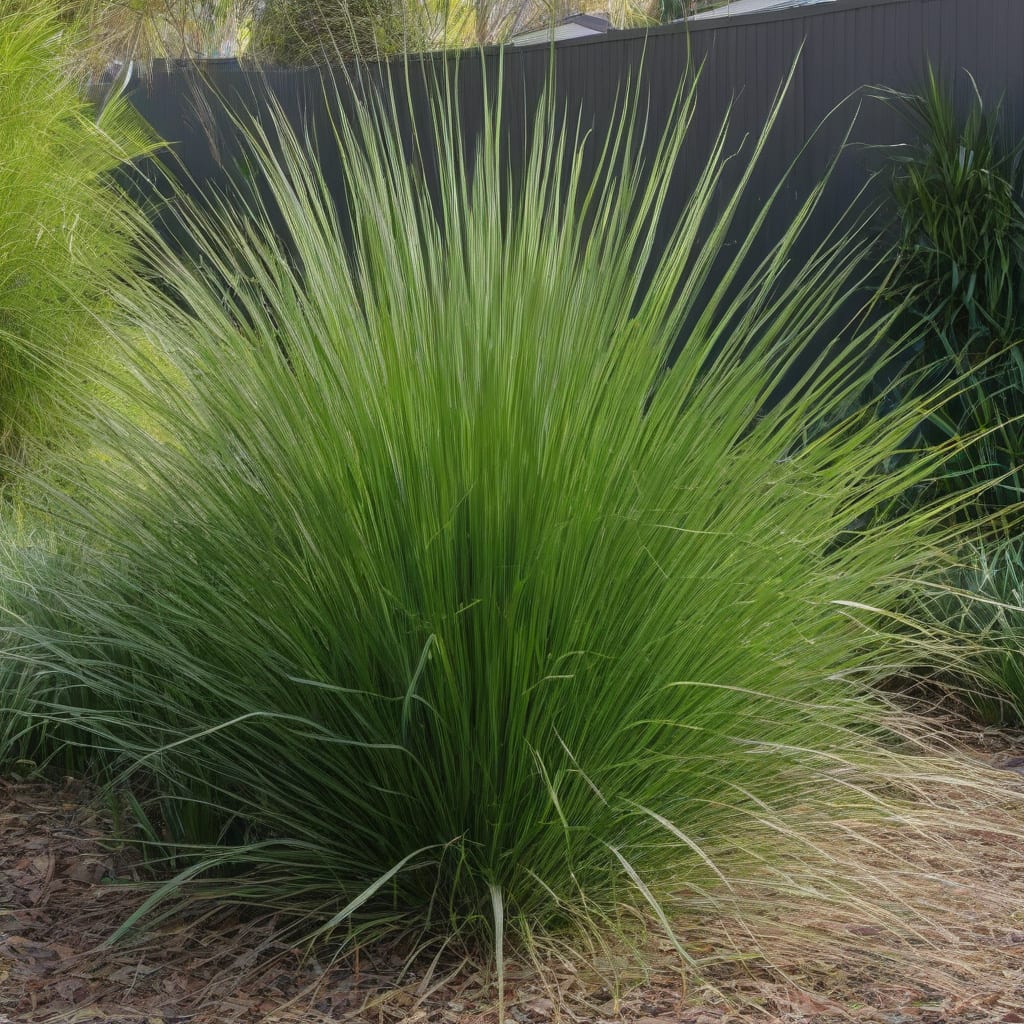
When growing Citronella 🌿 in your garden, understanding its potential height is crucial for effective planning. In USDA zone 9b, these plants can grow quite tall, typically reaching heights between 3 to 6 feet.
Factors like sunlight, soil quality, and pruning practices play a significant role in determining the actual height of your Citronella plant. Let’s explore how to manage these factors to achieve optimal growth.

Citronella plant height is influenced by various environmental and care factors. Understanding these factors is crucial for gardeners to manage their plant’s growth effectively. The main factors include sunlight exposure, soil quality, watering practices, fertilization, and pruning techniques 🌿.
Sunlight plays a critical role in citronella growth. These plants thrive in full sun conditions, requiring at least 6 hours of direct sunlight daily. Insufficient light can lead to leggy growth and reduced height.
The quality of soil significantly affects citronella height. These plants prefer well-draining soil with a pH between 6.0 and 7.0. Poor soil conditions can limit root development and subsequently affect overall plant height.
Watering practices must be carefully managed. Citronella plants prefer consistent moisture but are sensitive to waterlogging. Proper watering helps maintain healthy growth and optimal height.
Fertilization is another important factor. Using a balanced fertilizer (10-10-10 NPK) every 4-6 weeks during the growing season supports healthy growth and helps achieve maximum height potential.
Pruning techniques are essential for managing citronella height. Regular pruning not only controls height but also encourages fuller, bushier growth. Prune plants back to about one-third of their height during the growing season to maintain desired size.
By understanding and managing these factors, gardeners can optimize their citronella plants’ growth and achieve the desired height for their garden landscape 🌼.
Effective garden planning requires considering all these factors together. For instance, combining proper sunlight exposure with appropriate watering and fertilization practices creates ideal conditions for citronella plants to reach their full height potential.
Regular maintenance, including monitoring soil quality and adjusting care practices as needed, ensures that citronella plants remain healthy and achieve optimal height.
Gardeners should also be aware of the potential challenges in managing citronella height, such as preventing waterlogging and avoiding over-fertilization, which can negatively impact plant health and growth.
By adopting a holistic approach to citronella care, gardeners can enjoy the benefits of these plants, including their mosquito-repelling properties and refreshing citrus scent, while maintaining a well-planned and aesthetically pleasing garden.
Citronella plants are known for their impressive growth, typically reaching heights between 3 to 6 feet. The exact height can vary based on factors such as the specific variety, growing conditions, and whether they’re cultivated in containers or directly in the ground 🌿.
Citronella plants generally grow between 3 to 6 feet tall, with some varieties reaching up to 7 feet in ideal conditions.
Plants grown in containers tend to be smaller, typically reaching 2 to 4 feet in height, while those planted directly in the ground can achieve their full height potential.
Some citronella varieties are naturally more compact, while others are bred for taller growth, allowing gardeners to choose the height that suits their garden design.
The height of citronella plants can be influenced by various factors, including the amount of sunlight they receive, the quality of the soil, and the care practices employed by gardeners 🌱.
Sunlight exposure is crucial, as citronella plants thrive in full sun conditions. Ensuring they receive at least 6 hours of direct sunlight daily is essential for optimal growth and achieving their potential height.
Soil quality also plays a significant role. Citronella plants prefer well-draining soil with a pH between 6.0 and 7.0. Maintaining good soil conditions helps support healthy root development, which in turn affects the overall height of the plant.
Watering practices should be carefully managed to avoid both drought and waterlogging. Citronella plants prefer consistent moisture, and proper watering helps maintain steady growth and optimal height.
By understanding these factors and adjusting care practices accordingly, gardeners can help their citronella plants achieve their full height potential and enjoy the benefits these plants provide, including their mosquito-repelling properties and refreshing citrus scent 🌼.
Regular maintenance, including monitoring soil quality and adjusting watering practices as needed, ensures that citronella plants remain healthy and continue to grow.
To manage citronella height effectively, gardeners can employ several strategies that not only control the plant’s height but also enhance its overall health and garden performance 🌿.
Regular pruning is essential for maintaining desired citronella height and promoting bushier growth. Prune plants back to about one-third of their height during the growing season.
Pruning is a critical technique for managing citronella height. By pruning regularly, gardeners can control the plant’s size and encourage denser foliage. This not only helps in maintaining the desired height but also improves the plant’s overall appearance and health.
Training citronella plants involves guiding their growth to achieve a desired shape or height. This can be done by staking taller varieties or regularly trimming back overgrown stems. Training helps in maintaining a neat and organized garden appearance.
Companion planting is another effective strategy for managing citronella height. By planting citronella alongside other complementary plants, gardeners can create a balanced garden ecosystem. Companion plants can provide support, improve soil quality, or even help in pest control, thereby indirectly influencing citronella growth and height 🌼.
By implementing these strategies, gardeners can effectively manage the height of their citronella plants, ensuring they remain healthy and contribute positively to the garden’s overall aesthetic and functionality.
