
Beautiful Plants For Your Interior
Beautiful Plants For Your Interior
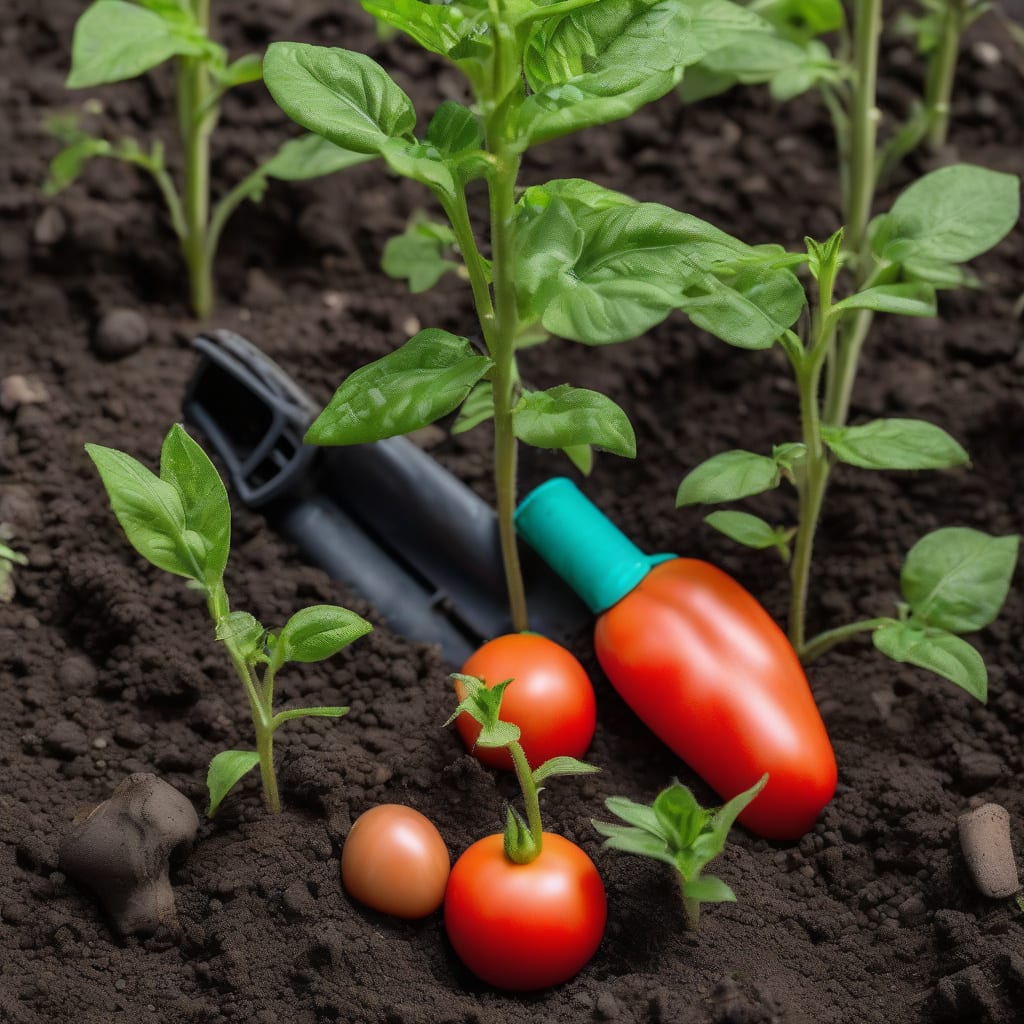
Gardening in the 6B zone 🌱 requires understanding its unique climate challenges. Knowing when to plant can make all the difference between a thriving garden and a disappointing harvest.
The 6b zone has a specific planting window – typically in spring or fall. I’ll guide you through the best times to plant and help you make the most of your garden.
Gardening in the 6B zone requires understanding its unique climate characteristics. The zone has specific frost dates and soil temperature requirements that affect planting times.
The average last frost date in 6B zone is around April 15, while the first frost date typically occurs on October 15. This gives gardeners a frost-free period of about 180 days.
The ideal planting months in 6B zone are March, April, May, September, October, and November. These months offer the best conditions for various plants to thrive.
Soil temperature plays a crucial role in planting decisions. Most plants thrive when soil temperature is between 60°F and 70°F.
Understanding these factors helps gardeners in the 6B zone make informed decisions about when to plant and what to plant.
For more specific information about planting in your local area, the USDA Plant Hardiness Zone Map is a valuable resource that provides detailed information about frost dates and growing conditions.
While the 6b zone has its specific characteristics, gardeners should also consider microclimates within their area. These local variations can affect temperature, soil moisture, and other factors that impact plant growth.
Gardeners should also be aware of the first and last frost dates in their specific area, as these can vary from year to year. Keeping a gardening journal can help track these dates and other important observations.
By understanding these factors and planning accordingly, gardeners in the 6B zone can create thriving gardens that make the most of the growing season.
Regularly checking local weather forecasts and being prepared for unexpected frost events can help protect plants and ensure a successful growing season.
Gardeners should also consider using season extension techniques like row covers or cold frames to extend the growing season for certain crops.
By combining knowledge of the 6b zone’s climate characteristics with careful planning and observation, gardeners can achieve optimal results in their gardens.
The key to success lies in understanding the unique challenges and opportunities presented by the 6b zone and adapting gardening practices accordingly.
Gardening in the 6B zone offers a wide range of possibilities for growing various plants. Understanding which plants thrive in this zone and when to plant them is crucial for a successful garden.
The 6B zone has a moderate climate, allowing for the cultivation of a diverse array of vegetables, flowers, and herbs. Some of the best plants for this zone include tomatoes, peppers, lettuce, spinach, and marigolds.
Understanding the optimal planting times for these plants ensures a thriving garden. For example, tomatoes and peppers should be planted in late spring, while lettuce and spinach can be planted in early spring or late summer.
By following these guidelines, gardeners in the 6B zone can enjoy a bountiful harvest and a vibrant garden throughout the growing season.
Gardeners can also consider using season extension techniques like row covers or cold frames to extend the growing season for certain crops.
Regularly checking local weather forecasts and being prepared for unexpected frost events can help protect plants and ensure a successful growing season.
Gardening in the 6B zone requires understanding its unique climate characteristics and adapting your gardening practices accordingly. To achieve success, it’s essential to prepare your garden through different seasons.
Soil preparation is a crucial aspect of gardening in the 6B zone. The soil should be well-draining and rich in organic matter. Adding compost or well-rotted manure can improve soil structure and fertility.
Check the soil temperature before planting. Most plants thrive when the soil temperature is between 60°F and 70°F.
Frost protection is another critical aspect of gardening in the 6B zone. Gardeners should be aware of the first and last frost dates in their area and take measures to protect their plants from frost damage.
Using row covers or cold frames can help extend the growing season for certain crops. These techniques can also provide protection from extreme weather conditions.
By following these seasonal gardening tips, gardeners in the 6B zone can enjoy a thriving garden throughout the year. Regularly checking local weather forecasts and being prepared for unexpected frost events can help protect plants and ensure a successful growing season.
Gardeners should also consider using season extension techniques to maximize their harvest. This can include using cold frames, hoop houses, or greenhouses to extend the growing season.
By combining knowledge of the 6b zone’s climate characteristics with careful planning and observation, gardeners can achieve optimal results in their gardens. The key to success lies in understanding the unique challenges and opportunities presented by the 6b zone and adapting gardening practices accordingly.
The best time to start planting in 6B zone depends on the type of plants. For spring planting, wait until after the last frost date (around April 15). For fall planting, start 6-8 weeks before the first frost date (around October 15).
Check the soil temperature before planting. Most plants thrive when the soil temperature is between 60°F and 70°F. You can use a soil thermometer to get an accurate reading. For spring planting, wait until the soil has warmed up sufficiently.
Common mistakes include planting too early or too late, not checking soil temperature, and not preparing the soil properly.
Yes, you can use season extension techniques like row covers, cold frames, or greenhouses to extend the growing season for certain crops. These techniques can help protect plants from extreme weather conditions and provide a longer growing season.
