
Beautiful Plants For Your Interior
Beautiful Plants For Your Interior
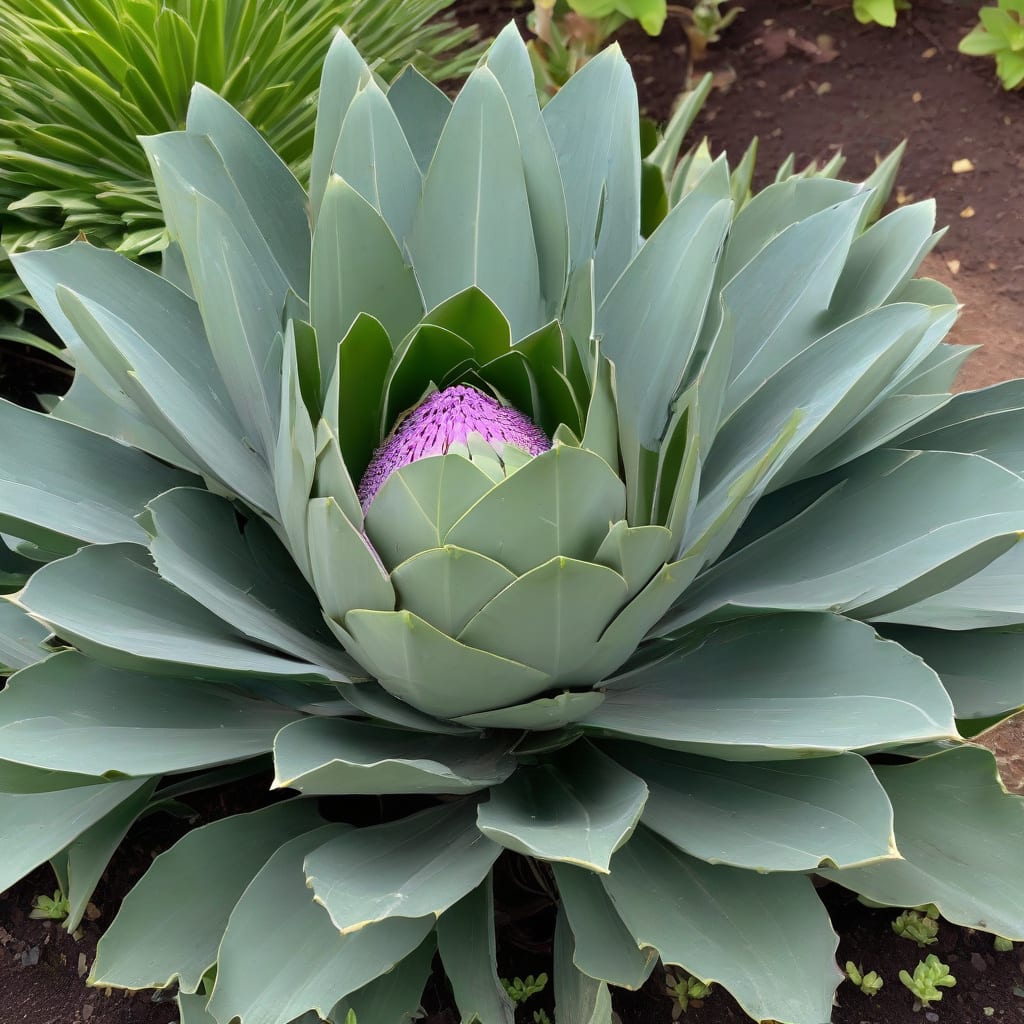
I’ve always been fascinated by the potential of artichoke plants 🌺 to add both beauty and bounty to a garden. Growing in USDA Zone 6, these plants can reach impressive heights when given the right conditions.
Understanding how tall they can grow is crucial for planning your garden layout and ensuring you provide the necessary support for these magnificent plants to thrive.
Ideal Time
Also Good
I’ve always been fascinated by the potential of artichoke plants to add both beauty and bounty to a garden. Understanding how tall they can grow is crucial for planning your garden layout and ensuring you provide the necessary support for these magnificent plants to thrive.
Artichoke plants are known for their impressive stature, typically growing between 3 to 6 feet tall. The height can vary based on factors such as soil quality, sunlight, and watering conditions. In ideal conditions, with full sun and well-draining soil, artichoke plants can reach their maximum height potential.
The height of artichoke plants is influenced by several key factors. Soil quality plays a significant role, as artichokes prefer rich, fertile soil with good drainage. Sunlight is another critical factor, with artichoke plants requiring at least 6 hours of direct sunlight per day to grow tall and healthy.
Watering conditions also impact the height of artichoke plants. Consistent moisture levels are essential, especially during the growing season. However, artichokes are relatively drought-tolerant once established.
To maximize the growth potential of your artichoke plants, it’s essential to provide them with the right conditions. This includes proper soil preparation, adequate watering, and appropriate fertilization. By understanding and meeting these needs, you can help your artichoke plants reach their full height potential and enjoy a bountiful harvest.
Artichoke plants are not only a productive addition to the garden but also an attractive one. Their tall, statuesque stalks and large, thistle-like flowers add visual interest to any garden landscape. With proper care and attention, artichoke plants can become a stunning focal point in your garden.
In addition to their height, artichoke plants are also valued for their delicious edible buds. By providing the right growing conditions and care, you can enjoy a plentiful harvest of artichokes throughout the growing season.
For gardeners looking to grow artichokes, understanding the factors that influence plant height is just the beginning. By combining this knowledge with expert tips and techniques, you can optimize the growth and productivity of your artichoke plants.
As we explore the world of artichoke cultivation, it’s clear that these plants offer a unique combination of beauty, productivity, and flavor. Whether you’re a seasoned gardener or just starting out, artichoke plants are definitely worth considering for your garden.
By
I always recommend starting with proper soil preparation when growing artichoke plants. The soil should be rich and fertile with a pH between 6.0 and 7.0. Adding organic matter like compost can significantly improve soil quality and drainage 🌿.
Adequate watering is another critical factor in maximizing artichoke plant growth. These plants require consistent moisture, especially during the growing season. Aim to provide about 1-2 inches of water per week, either through rainfall or irrigation 💧.
For optimal growth, fertilize your artichoke plants with a balanced fertilizer every 4-6 weeks during the growing season.
Fertilization plays a key role in promoting healthy growth and maximizing the height of artichoke plants. Use a 10-10-10 NPK fertilizer and follow the recommended application rates to avoid over-fertilizing 📦.
Pruning is also an essential technique for maximizing artichoke plant growth. Remove any dead or damaged leaves to prevent disease and encourage healthy growth. Additionally, cutting back the plant after harvesting can help promote new growth 🔄.
By combining these expert tips and techniques, you can help your artichoke plants reach their full height potential and enjoy a bountiful harvest.
In my experience, the key to successful artichoke cultivation is providing the right growing conditions and care. By following these tips and being mindful of the specific needs of your plants, you can enjoy a thriving and productive artichoke garden 🌼.
For more information on growing artichokes and other gardening tips, be sure to check out our other resources. Happy gardening! 🌻
Growing tall artichoke plants can be challenging due to various potential issues that can affect their height and overall health. As a gardener, it’s essential to be aware of these challenges to take preventive measures and ensure a successful harvest 🌼.
One of the primary concerns when growing artichoke plants is pests and diseases. Pests like aphids, whiteflies, and slugs can damage the plant, while diseases such as powdery mildew and root rot can stunt their growth. Regular monitoring and organic pest control methods can help mitigate these issues 🐜.
Be cautious of overwatering, as it can lead to root rot and other problems that can significantly impact artichoke plant height and productivity.
Environmental factors such as extreme temperatures, strong winds, and lack of sunlight can also affect the growth of artichoke plants. Providing protection from harsh weather conditions and ensuring they receive adequate sunlight can help promote healthy growth 🌻.
To overcome these challenges, it’s crucial to monitor your plants regularly and take action promptly if you notice any issues. By being proactive and providing the right care, you can help your artichoke plants reach their full potential and enjoy a bountiful harvest 🌺.
In my experience, understanding the common challenges in growing tall artichoke plants is key to successful cultivation. By being aware of these potential issues and taking steps to prevent them, you can optimize the growth and productivity of your artichoke plants 🌱.
