
Beautiful Plants For Your Interior
Beautiful Plants For Your Interior
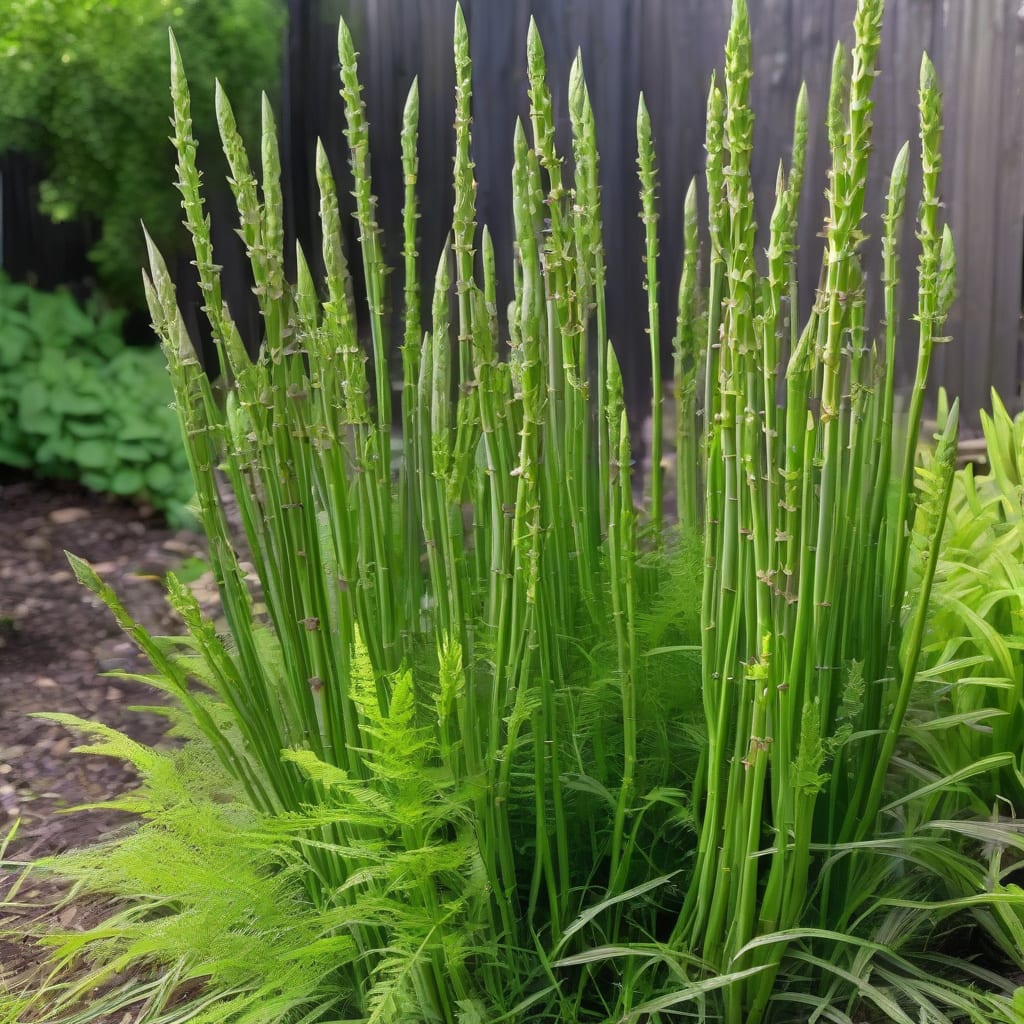
As I step into my garden, I’m always amazed by the towering Asparagus 🌿 stalks that have grown since spring began. Have you ever wondered just how tall these delicious spears can reach?
In USDA Zone 6, Asparagus can grow anywhere from 3 to 6 feet tall, depending on factors like soil quality and sunlight. Let’s explore what influences their growth and how to maximize their height potential.


Asparagus growth height is influenced by several key factors that every gardener should understand. The variety of asparagus you’re growing plays a significant role in determining its maximum height, with some cultivars naturally growing taller than others. For instance, ‘Jersey Giant’ is known for its robust growth and can reach impressive heights 🌿.
Soil quality is another critical factor affecting asparagus height. Asparagus thrives in well-draining, rich soil with a pH between 6.5 and 7.5. Soil that’s too dense or poorly draining can limit root development and, consequently, the plant’s overall height. I always
Sunlight is essential for Asparagus growth, and full sun is ideal. Asparagus needs at least 6 hours of direct sunlight daily to grow tall and healthy. In my experience, even partial shade can result in weaker, more spindly growth 🔥.
Consistent watering is vital, particularly during the growing season. Asparagus requires about 1 inch of water per week, either from rainfall or irrigation. Deep watering encourages deep root growth, which supports taller plants. I’ve found that mulching around the plants helps retain moisture and reduce the need for frequent watering 🌱.
Nutrient management is also crucial for maximizing Asparagus height. A balanced fertilizer applied in early spring provides the necessary nutrients for healthy growth. I prefer using a 10-10-10 NPK fertilizer, as it promotes overall plant health without overemphasizing any single nutrient 💪.
The age of the Asparagus plants also impacts their height. Younger plants typically take a few seasons to reach their full height potential. In the first year after planting, it’s best to allow the plants to establish themselves without harvesting, which helps them develop a strong root system 🌱.
Asparagus height can also be influenced by pest and disease management. Regular monitoring and appropriate control measures can prevent damage that might stunt growth. Common pests include asparagus beetles and aphids, while diseases like rust can also impact plant health 🔍.
Finally, the overall health of the Asparagus plants is a significant factor. Healthy plants with robust foliage are better able to support tall growth. Regular maintenance, including weeding and proper spacing, ensures that plants have the resources they need to thrive 🌿.
By understanding and managing these factors, gardeners can create optimal conditions for their Asparagus to reach its maximum height potential. It’s a combination of the right variety, good soil, adequate sunlight, proper watering, and effective pest management that leads to the tallest, healthiest plants 🌟.
For most gardeners, achieving the maximum height of 6 feet is possible with careful attention to these details. In my garden, I’ve seen Asparagus stalks reach heights of over 5 feet when given the right conditions, making them a striking feature of the landscape 🌳.
Regular monitoring and adjustments to growing conditions can help identify and address any limitations to Asparagus height. By following these guidelines, gardeners can enjoy both the aesthetic appeal and the culinary rewards of their tall, thriving Asparagus plants 🌼.
To help your Asparagus reach its full height potential, I’ve found that proper soil preparation is crucial. Asparagus thrives in well-draining, rich soil with a pH between 6.5 and 7.5. I recommend testing your soil to determine its pH level and nutrient content before planting 🌿.
Add 2-3 inches of compost or well-rotted manure to improve soil fertility and drainage. Mix it into the soil to a depth of 8-10 inches to create a nutrient-rich environment for your Asparagus.
Apply a balanced fertilizer (10-10-10 NPK) in early spring, following the manufacturer’s instructions for application rates. This will provide your Asparagus with the necessary nutrients for healthy growth 💪.
Keep the soil consistently moist during the growing season, providing about 1 inch of water per week. Deep watering encourages deep root growth, supporting taller plants 🌟.
In my experience, consistent moisture levels are vital for maximizing Asparagus height. I
Another key factor is mulching around the plants. Mulching helps retain soil moisture, suppress weeds, and regulate soil temperature. I use a 2-3 inch layer of organic mulch, such as straw or wood chips, around my Asparagus plants 🌿.
By following these expert gardening tips, you can help your Asparagus reach its full height potential and enjoy a bountiful harvest.
Regular maintenance, including weeding and proper spacing, is also essential for promoting healthy growth. By keeping the area around your Asparagus plants weed-free and ensuring they have enough space to grow, you can help them reach their maximum height potential 🌱.
For most gardeners, achieving a height of 5-6 feet is possible with careful attention to these details. In my garden, I’ve seen Asparagus stalks reach heights of over 5 feet when given the right conditions, making them a striking feature of the landscape 🌳.
When growing Asparagus, I’ve found that even experienced gardeners can make mistakes that limit the plant’s height potential. One of the most common errors is harvesting too heavily in the first year 🌱.
Harvesting too much in the first year can weaken the plant and reduce future yields. Allow plants to establish themselves in the first season.
Another critical mistake is neglecting proper soil care. Asparagus needs well-draining soil with adequate nutrients to grow tall. I’ve seen many gardeners overlook the importance of regular soil testing and amendment 🔍.
Inadequate sunlight is another factor that can limit Asparagus height. While Asparagus can tolerate some shade, it requires at least 6 hours of direct sunlight per day to grow robustly. In my experience, too much shade results in weak, spindly growth 🔥.
Poor watering practices can also impact Asparagus height. Both overwatering and underwatering can stress the plants and limit their growth. Consistent moisture, especially during the growing season, is key to supporting tall, healthy stalks 💧.
Finally, failing to control pests and diseases can significantly impact Asparagus height. Regular monitoring and appropriate management strategies are essential for preventing damage that can stunt growth 🌿.
By avoiding these common mistakes, gardeners can create an optimal environment for their Asparagus to reach its full height potential. In my garden, I’ve seen the difference that careful management can make in achieving tall, thriving Asparagus plants 🌼.
