
Beautiful Plants For Your Interior
Beautiful Plants For Your Interior
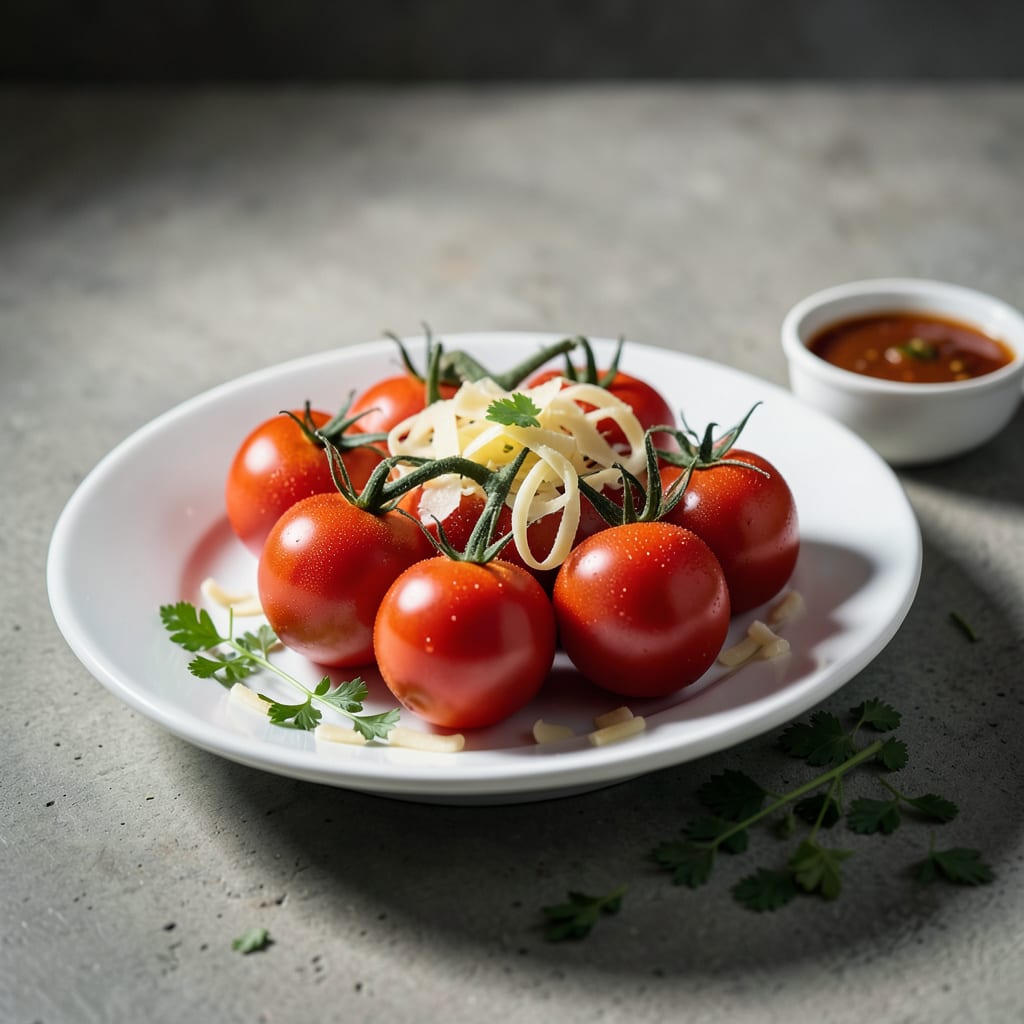
Michigan’s unpredictable spring weather makes timing everything when it comes to planting 🍅 tomatoes successfully. As a gardener in Michigan, you need to consider factors like frost dates and soil temperature to ensure a bountiful summer harvest.
I’ll guide you through the best time to plant tomatoes in Michigan, helping you plan your spring planting schedule effectively and avoid common pitfalls that can impact your crop.
Ideal Time
Also Good
Michigan’s diverse climate means that the optimal tomato planting time varies significantly across different regions. Understanding these regional differences is crucial for successful tomato cultivation.
The state’s geography spans multiple USDA hardiness zones, from zone 4 in the north to zone 6 in the south, affecting the last frost dates and soil warming times.
The regional planting times are primarily determined by the last spring frost dates, which vary across Michigan. In southern Michigan, the last frost typically occurs around late May, while in central Michigan it’s usually in early June, and in northern Michigan, it’s often in mid-June 🌟.
These dates are critical because tomatoes are warm-season crops that thrive in temperatures above 55°F (13°C). Planting too early can expose young plants to damaging frost, while waiting too long may shorten the growing season.
Soil temperature is another crucial factor. Tomatoes prefer soil that’s warmed up to at least 55°F (13°C) for optimal growth. In Michigan’s cooler spring climate, it’s essential to check soil temperatures before planting.
For gardeners in southern Michigan, the warmer climate means an earlier start is possible, typically around late May. In contrast, northern Michigan gardeners should wait until mid-June to ensure the soil has warmed sufficiently and the risk of frost has passed 🌿.
By understanding these regional variations and factors affecting tomato planting, Michigan gardeners can make informed decisions to maximize their tomato harvest. The key to success lies in timing the planting to coincide with the optimal growing conditions for tomatoes in their specific region.
To achieve the best results, gardeners should also consider microclimates within their region, as local conditions can vary significantly due to factors like elevation and proximity to large bodies of water.
Soil preparation is another vital aspect. Ensuring the soil is well-draining and rich in organic matter will help tomato plants establish strong root systems and support healthy growth throughout the season.
By combining knowledge of regional planting times with proper soil preparation and care, Michigan gardeners can enjoy a bountiful tomato harvest during the summer months.
It’s also worth noting that climate change is affecting frost patterns and temperature trends, making it essential for gardeners to stay informed about local weather conditions and adjust their planting schedules accordingly.
Overall, the best time to plant tomatoes in Michigan requires careful consideration of regional climate variations, soil temperature, and frost dates. By taking these factors into account, gardeners can optimize their planting schedule for a successful harvest 🌟.
When determining the best time to plant tomatoes in Michigan, several critical factors come into play. Understanding these elements is essential for successful tomato cultivation and a bountiful harvest.
The primary factors that influence tomato planting time in Michigan include frost dates, soil temperature, and weather patterns. Each of these elements plays a significant role in determining when to plant tomatoes safely and effectively.
Michigan’s last frost dates vary by region: May 15 in southern, May 25 in central, and June 1 in northern areas. Planting tomatoes before these dates can be risky due to potential frost damage.
Frost dates are particularly crucial because tomatoes are sensitive to frost. Planting too early can expose young plants to damaging frost, while waiting too long may shorten the growing season. Michigan gardeners must consider the average last frost date for their specific region to avoid frost damage.
Soil temperature is another vital factor. Tomatoes thrive in warm soil, typically between 65°F to 70°F (18°C to 21°C). Soil that’s too cold can lead to poor germination and slow growth. Gardeners can use a soil thermometer to check the temperature before planting.
Weather patterns also play a significant role. Michigan’s spring weather can be unpredictable, with late frosts and cold snaps possible even after the last average frost date. Gardeners should stay informed about local weather forecasts to protect their plants from unexpected cold snaps.
By carefully considering these factors, Michigan gardeners can determine the optimal time to plant tomatoes in their area. This thoughtful approach helps ensure healthy plant growth and a successful harvest.
To further refine their planting schedule, gardeners can also consider microclimates within their region. Local conditions such as lake effect temperatures, elevation, and soil type can create variations in frost dates and soil temperature.
Combining regional guidelines with local insights and careful planning allows Michigan gardeners to optimize their tomato planting strategy. This comprehensive approach maximizes the chances of a bountiful summer harvest.
Gardeners should remain flexible and prepared to adapt their planting schedule as needed based on specific weather conditions. By doing so, they can ensure the best possible start for their tomato plants.
To achieve a bountiful tomato harvest in Michigan, gardeners must consider several key factors beyond just the planting date. Proper soil preparation, variety selection, and frost protection are crucial for successful tomato cultivation.
Prepare your soil by adding organic matter like compost to improve drainage and fertility. Tomatoes need well-draining soil with a pH between 6.0 and 6.8 for optimal growth.
Choose tomato varieties that are resistant to common Michigan diseases and have a maturity date that fits within your growing season. Consider varieties with cold tolerance for earlier planting.
Be prepared to protect your tomato plants from late spring frosts using row covers or other frost protection methods. This can extend your growing season and prevent damage to young plants.
By following these expert tips, Michigan gardeners can significantly improve their chances of a successful tomato harvest. Proper planning and preparation are key to overcoming the challenges posed by Michigan’s climate 🌟.
Soil preparation is particularly important as it directly affects the health and productivity of tomato plants. Ensuring the soil is rich in organic matter and has good drainage will help support healthy plant growth throughout the season.
Choosing the right tomato variety is also crucial. Gardeners should select varieties that are well-suited to Michigan’s climate and have resistance to common diseases in the region. This can help reduce the risk of crop failure and improve overall yields.
In addition to these tips, gardeners should remain vigilant and prepared to protect their plants from unexpected weather events. By combining these strategies, Michigan gardeners can enjoy a bountiful tomato harvest during the summer months 🌿.
Check with your local nursery, extension office, or use online frost date tools that provide location-specific information based on historical weather data. This helps you plan tomato planting accurately.
Use a soil thermometer to measure the temperature at a depth of 4-6 inches. Tomatoes prefer soil that’s at least 55°F (13°C), but optimal growth occurs between 65°F to 70°F (18°C to 21°C).
Yes, you can start tomato seeds indoors 4-6 weeks before the last expected frost date. This head start allows seedlings to develop before being transplanted outside when conditions are favorable.
Use row covers or other frost protection methods to safeguard your plants. Bringing potted plants under cover or using frost blankets can also help protect them from unexpected cold snaps.
