
Beautiful Plants For Your Interior
Beautiful Plants For Your Interior
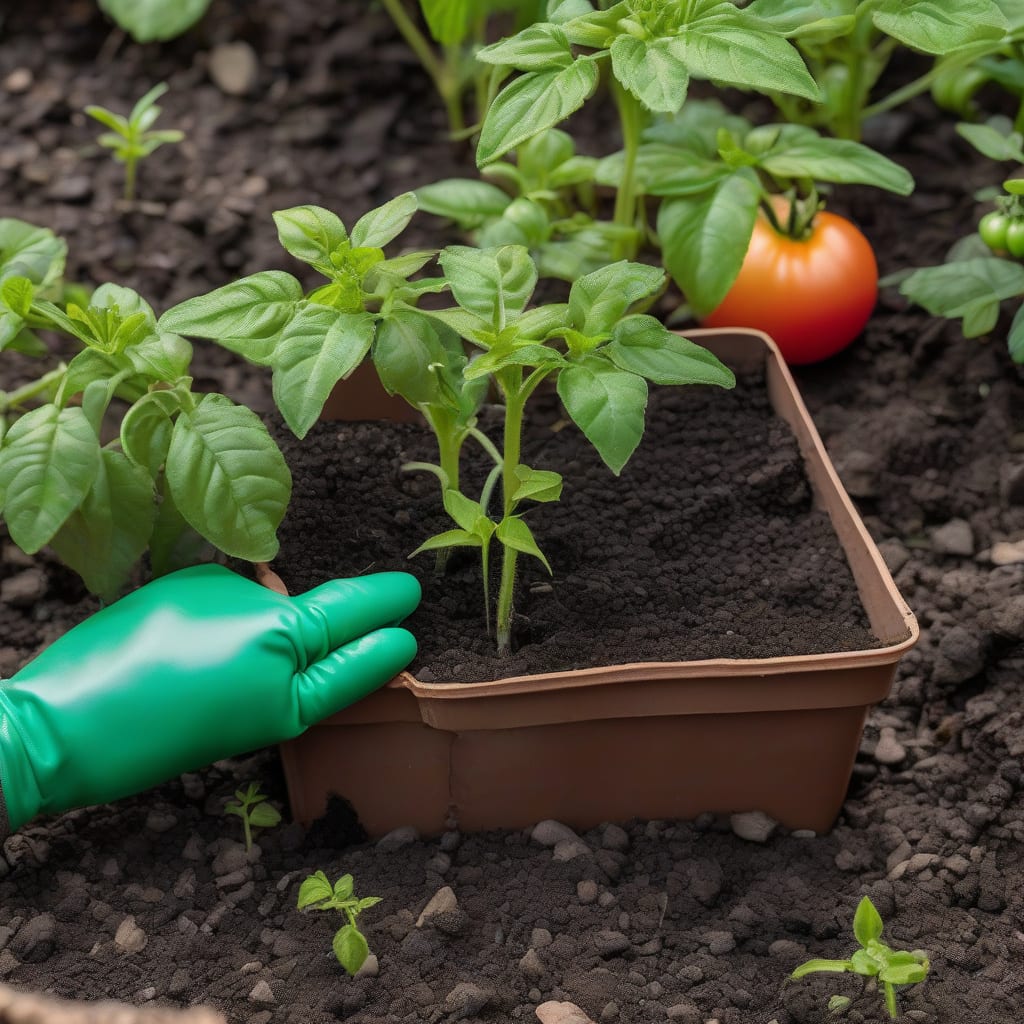
Gardening in Zone 6b can be rewarding, but timing is everything 🌱. Understanding when to plant is crucial for a successful harvest, and I’m here to guide you through the best planting times for your region.
In Zone 6b, the ideal planting windows are April-May and September-October. By planting during these periods, you’ll be able to maximize your yield and enjoy a vibrant growing season.
Gardening in Zone 6b requires careful planning, especially when it comes to spring planting 🌱. The last frost date is a critical factor in determining when to start planting.
In Zone 6b, the average last frost date is around April 15. This means you can start planting warm-season crops after this date. However, it’s essential to check the soil temperature before planting, as some crops require warmer soil to thrive.
When planting in Zone 6b, it’s crucial to consider the specific needs of each crop. Cool-season crops like lettuce, spinach, and peas can be planted as soon as the soil can be worked in spring, typically in early to mid-April.
Warm-season crops like tomatoes, peppers, and eggplants should be planted after the last frost date, when the soil has warmed up to at least 60°F (15°C). This is usually around late April to early May in Zone 6b 🌟.
Root vegetables like carrots, beets, and radishes can be planted as soon as the soil can be worked in spring.
To ensure successful growth,uroot vegetables require well-draining soil and consistent moisture. Prepare your soil by loosening it to a depth of 12 inches and incorporating compost or well-rotted manure to improve soil structure and fertility 🌿.
By following this planting schedule and preparing your soil properly, you’ll be able to enjoy a bountiful harvest from your Zone 6b garden. Happy gardening! 🌼
For more specific planting dates and tips, be sure to check the local weather forecast and adjust your planting schedule accordingly. It’s also a good idea to start seeds indoors 4-6 weeks before the last frost date to get a head start on the growing season 🌟.
Additionally, consider using row covers or cold frames to protect your plants from unexpected frosts and extend the growing season. With careful planning and attention to detail, you can maximize your harvest and enjoy a thriving garden in Zone 6b 🌿.
Fall gardening in Zone 6b offers a wonderful opportunity to grow cool-season crops and enjoy a bountiful harvest 🍂. Understanding the ideal planting times and crop selection is crucial for success in the fall season.
In Zone 6b, the average first frost date is around October 15. To ensure a successful fall harvest, it’s essential to plant cool-season crops at the right time. Typically, you should plant fall crops 8-10 weeks before the first frost date, which translates to around mid-to-late August in Zone 6b.
Some crops, like spinach and lettuce, can be planted in early fall, about 4-6 weeks before the first frost date. These crops mature quickly and can tolerate light frosts, making them ideal for fall gardening.
To extend the growing season, consider using row covers or cold frames. These techniques can protect your plants from frost and allow you to enjoy a longer harvest season 🌼.
By following these guidelines and selecting the right crops for fall gardening in Zone 6b, you’ll be able to enjoy a bountiful harvest well into the fall season. Happy gardening! 🌟
For more specific advice on fall gardening in Zone 6b, be sure to check with local gardening experts and consult resources specific to your region 🌿.
Additionally, consider companion planting to maximize your fall harvest. Some plants, like marigolds and nasturtiums, can help repel pests and improve soil health, leading to a more successful fall garden 🌼.
Gardening in Zone 6b requires careful consideration of various factors beyond just the planting schedule 🌿. Understanding your soil type, microclimates, and other climate factors can significantly impact your gardening success.
Soil preparation is crucial for a thriving garden. Zone 6b’s soil can vary greatly, from clay to sandy loam. To improve soil quality, incorporate organic matter like compost or well-rotted manure. This enhances soil structure, fertility, and drainage, creating a better environment for your plants 🌱.
Test your soil periodically to determine its pH level and nutrient content. Based on the results, you can adjust your fertilization and soil amendment strategies to optimize growing conditions.
Microclimates within your garden can also affect planting success. A microclimate is a localized area with unique climate conditions different from the surrounding areas 🌟. Factors like elevation, proximity to bodies of water, and urban heat islands can create microclimates. Observe your garden throughout the year to identify these microclimates and adjust your planting accordingly.
Climate factors such as temperature fluctuations, rainfall patterns, and frost dates play a significant role in gardening success. In Zone 6b, be prepared for potential late spring frosts and early fall frosts. Use techniques like row covers or cold frames to protect your plants from unexpected frosts and extend the growing season 🌼.
To maximize your harvest, consider companion planting. Some plants, like marigolds and nasturtiums, can help repel pests and improve soil health, leading to a more successful garden 🌿.
By understanding and adapting to these additional factors, you can create a thriving and resilient garden in Zone 6b. Happy gardening! 🌟
For more specific advice tailored to your garden’s unique conditions, consult with local gardening experts and explore resources specific to your region 🌿.
For most crops, the ideal soil temperature is at least 60°F (15°C). You can check soil temperature with a thermometer or wait until late April when it typically warms up sufficiently in Zone 6b .
Yes, you can start planting cool-season crops like lettuce, spinach, and peas as soon as the soil can be worked in spring. However, wait until after the last frost date (April 15 in Zone 6b) to plant warm-season crops like tomatoes and peppers .
Use techniques like row covers or cold frames to protect your plants from unexpected frosts. These methods can help extend the growing season and keep your plants safe .
Improve your soil quality by incorporating organic matter like compost or well-rotted manure. This enhances soil structure, fertility, and drainage, creating a better environment for your plants .
