
Beautiful Plants For Your Interior
Beautiful Plants For Your Interior
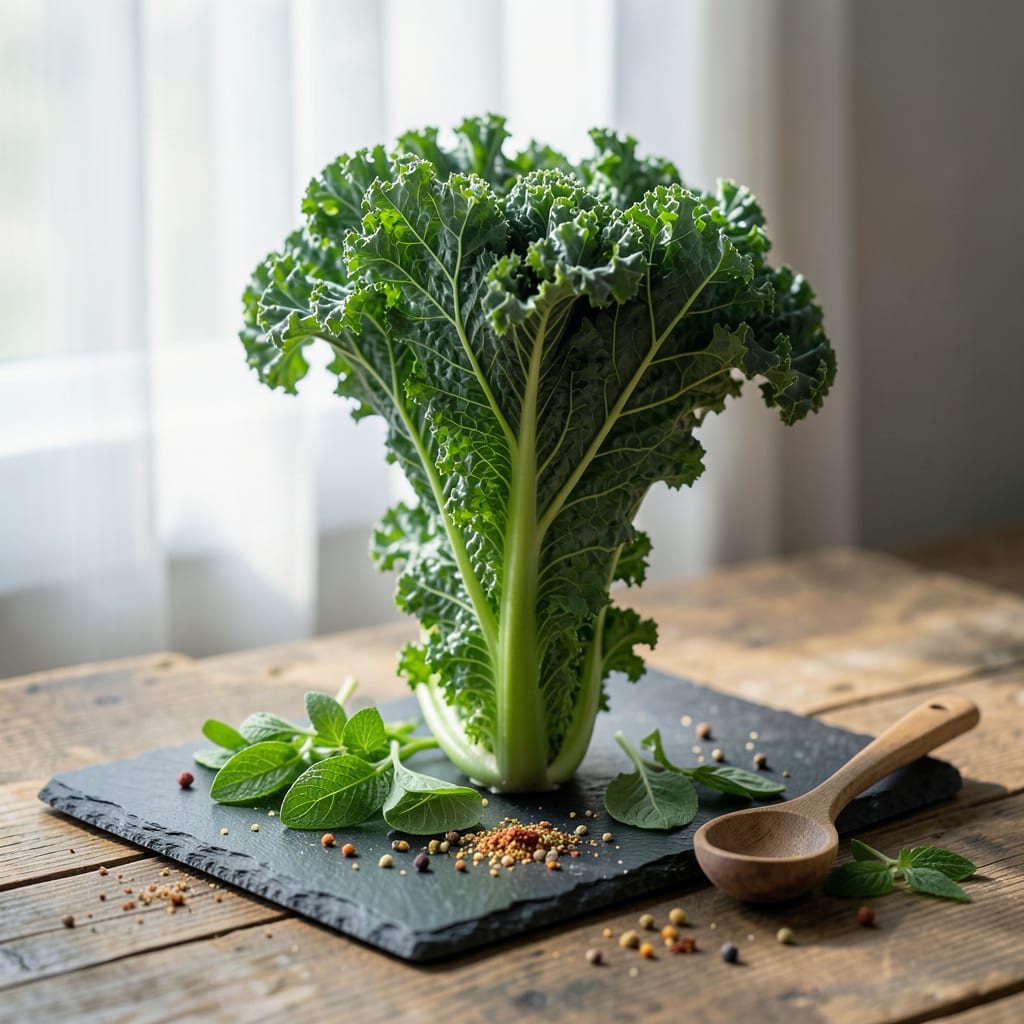
I’ve always been fascinated by how tall kale 🥬 can grow in a garden, transforming it into a lush oasis. Understanding its growth potential is key to maximizing your harvest.
Kale can reach heights of 2-3 feet under ideal conditions in USDA Zone 6. Let’s explore the factors that influence its growth and how to optimize them for a bountiful harvest.

Kale is a versatile and nutritious vegetable that can grow to varying heights depending on several factors. Understanding these factors is crucial for maximizing its growth potential.
The height of kale plants can range from 1-3 feet, with some varieties growing taller than others. Factors such as variety, growing conditions, and cultivation practices all play a significant role in determining the maximum height of kale plants.
The best way to ensure your kale grows to its maximum height is by providing it with the right conditions and care. This includes choosing a suitable variety, preparing the soil properly, and maintaining consistent watering and fertilization schedules.
By understanding and optimizing these factors, you can enjoy a bountiful harvest of tall, healthy kale plants. 🌿
Kale’s growth is influenced by its genetic potential, which varies among different cultivars. Some varieties are bred specifically for their height and leaf production.
Environmental conditions such as temperature, sunlight, and soil quality also significantly impact kale’s growth. Kale thrives in cooler temperatures and well-draining soil with a good nutrient balance.
In USDA Zone 6, kale is typically planted in early spring or late summer for a fall harvest. This timing allows the plants to mature during the cooler parts of the year when they grow best.
To maximize kale’s height, it’s essential to provide adequate spacing between plants. Overcrowding can lead to reduced growth and increased susceptibility to diseases.
Regular watering and fertilization are also crucial for promoting healthy growth. Kale benefits from consistent moisture and a balanced fertilizer applied every 4-6 weeks.
By following these guidelines and choosing the right variety for your climate and growing conditions, you can enjoy tall, healthy kale plants that provide a continuous harvest throughout the growing season.
Monitoring your kale plants regularly and adjusting your care practices as needed will help ensure they reach their full growth potential.
I always start by preparing the soil properly when growing kale. This involves testing the pH and adjusting it if necessary, as kale prefers a slightly acidic to neutral soil pH (around 6.0-7.0).
To maximize kale’s height, adequate spacing is crucial. I
Test and adjust soil pH, add organic matter like compost to improve soil structure and fertility.
Maintain consistent moisture, aiming for about 1-2 inches of water per week, either from rainfall or irrigation.
Feed your kale plants with a balanced fertilizer (10-10-10 NPK) every 4-6 weeks to promote healthy growth.
In my experience, maintaining these practices not only promotes healthy growth but also maximizes the height of kale plants. Regular monitoring and adjusting care practices as needed will help ensure they reach their full growth potential.
To further support tall growth, consider providing support structures like stakes or cages for taller varieties. This helps prevent lodging and keeps the plants upright.
Kale is a cool-season crop that thrives in cooler temperatures. In USDA Zone 6, planting in early spring or late summer for a fall harvest yields the best results.
By following these guidelines and providing the right conditions, you can enjoy a bountiful harvest of tall, healthy kale plants. 🌿
Additionally, keeping an eye out for pests and diseases is crucial. Regularly inspect your plants and take action promptly if you notice any issues.
With proper care and attention, kale can be a rewarding addition to any garden, providing nutritious leaves for months to come.
When growing kale, I’ve found that several common mistakes can significantly limit its growth potential. One of the most critical errors is overcrowding, which can lead to reduced growth and increased susceptibility to diseases.
Common pitfalls include overcrowding, poor soil quality, and inadequate care. Being aware of these issues can help you take corrective action and ensure your kale plants reach their full potential.
Another mistake is poor soil quality, which can hinder kale’s growth. Kale requires well-draining soil with a good nutrient balance to thrive. Testing your soil and amending it as necessary can make a significant difference.
Inadequate care is also a common issue. This includes inconsistent watering and inadequate fertilization. Kale needs consistent moisture and regular feeding to promote healthy growth.
To avoid these mistakes,
Regular monitoring of your kale plants is also essential. Keep an eye out for signs of stress or disease, and take action promptly if you notice any issues.
By being aware of these common mistakes and taking steps to avoid them, you can maximize your kale’s growth potential and enjoy a successful harvest.
