
Beautiful Plants For Your Interior
Beautiful Plants For Your Interior
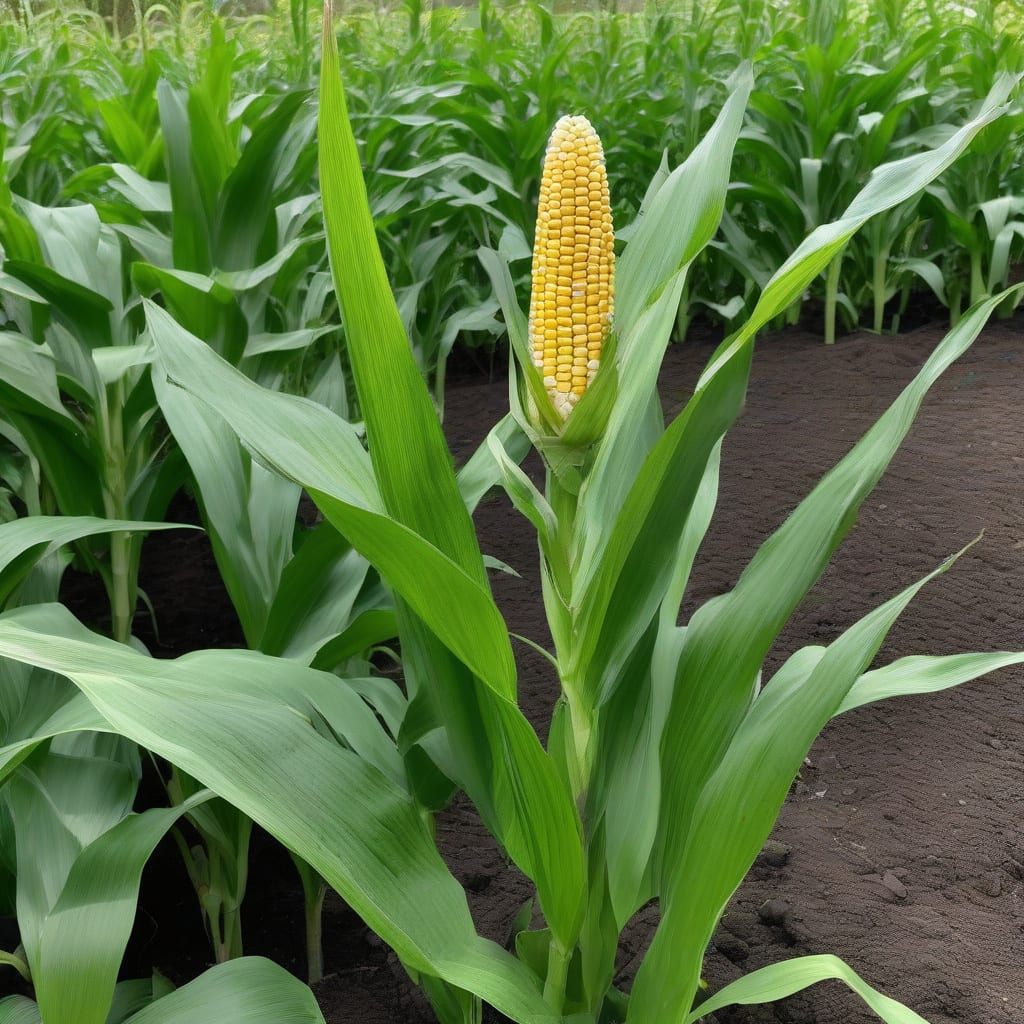
I’ve always been fascinated by Indian corn 🌽, with its vibrant colors and impressive height. Growing in USDA Zone 6, this crop can reach 6-10 feet tall, making it a stunning addition to any garden.
To achieve optimal growth, it’s essential to understand the factors that influence Indian corn’s height. Let’s explore the key elements that can help you grow this beautiful crop to its full potential.

I’ve always been fascinated by Indian corn, with its vibrant colors and impressive height. Growing in USDA Zone 6, this crop can reach 6-10 feet tall, making it a stunning addition to any garden. The height of Indian corn is influenced by several factors, including genetics, soil quality, and environmental conditions 🌽.
To better understand what to expect from your Indian corn, let’s examine the key factors that affect its growth. Soil quality plays a crucial role, as Indian corn thrives in well-draining, fertile soil with a pH between 6.0 and 7.0. Climate conditions, such as adequate sunlight and consistent moisture, also impact the plant’s height.
Indian corn typically grows between 6 to 10 feet tall, with some varieties reaching even greater heights under optimal conditions. The average height range for standard varieties is 8 feet, while dwarf varieties typically reach 4-6 feet. Factors like soil quality, sunlight, and watering practices can significantly impact the final height 🌱.
To achieve maximum height, it’s essential to provide Indian corn with the right growing conditions. This includes full sun, consistent moisture, and balanced fertilization. By understanding these factors and providing optimal care, you can help your Indian corn reach its full height potential 🌻.
The growth rate of Indian corn is typically 1-2 feet per month during the growing season. This rapid growth is supported by adequate nutrients and proper spacing between plants. Ensuring that your Indian corn receives the necessary care will help it grow tall and strong 🌼.
In addition to proper care, understanding the growth habits of Indian corn can help you maximize its height. This includes planting at the right time, providing support when necessary, and monitoring for pests and diseases. By following these tips, you can enjoy a bountiful harvest of tall, healthy Indian corn 🌽.
Overall, Indian corn is a rewarding crop to grow, offering both beauty and bounty. With the right care and attention, you can enjoy tall, vibrant stalks that add a dramatic touch to your garden 🌻.
To achieve maximum height with Indian corn, it’s essential to start with the right foundation. This includes selecting the appropriate variety for your climate and soil type 🌽.
The quality of seeds you choose plays a crucial role in determining the final height of your Indian corn. Opt for high-quality, disease-resistant seeds that are suitable for your region.
Plant Indian corn in late spring when soil has warmed to at least 55°F (13°C). This timing helps ensure optimal germination and early growth.
Space plants 8-12 inches apart in rows that are 3 feet apart. Proper spacing ensures good air circulation and reduces disease risk.
Keep the soil consistently moist, especially during ear formation. Aim for about 1 inch of water per week, either from rainfall or irrigation.
By following these expert tips, you can maximize the height of your Indian corn and enjoy a bountiful harvest 🌽.
Proper soil preparation is also crucial. Ensure your soil is well-draining and rich in organic matter. Test your soil to determine its nutrient content and pH, and amend it as necessary.
Fertilization plays a key role in promoting healthy growth. Use a balanced fertilizer (e.g., 10-10-10 NPK) every 4-6 weeks during the growing season.
Monitoring for pests and diseases is vital. Regularly inspect your plants and use organic pest control methods when necessary to prevent damage.
When growing Indian corn, several challenges can impact its height. Understanding these potential issues is crucial for achieving optimal growth 🌽.
One of the primary concerns is pests that can damage the plants. Common pests include raccoons, birds, and insects like corn borers. These pests can significantly reduce the height and yield of your Indian corn if not managed properly.
Regularly inspect your plants for signs of pests or diseases. Use organic control methods whenever possible to minimize damage and maintain healthy growth 🌱.
Diseases are another significant challenge. Rust, leaf blight, and root rot can all impact the health and height of your Indian corn. Proper crop rotation and soil management can help mitigate these issues.
Environmental factors also play a role. Drought, excessive rain, and temperature fluctuations can all stress the plants, affecting their growth. Ensuring good soil quality and adequate watering practices can help your Indian corn withstand these challenges 🌻.
To maximize height, it’s essential to monitor your plants regularly and take action promptly if you notice any issues. By being proactive, you can help your Indian corn reach its full potential and enjoy a successful harvest 🌽.
Overall, understanding the common challenges that can affect Indian corn height is key to successful cultivation. By being aware of these potential issues and taking steps to mitigate them, you can grow tall, healthy Indian corn 🌼.
